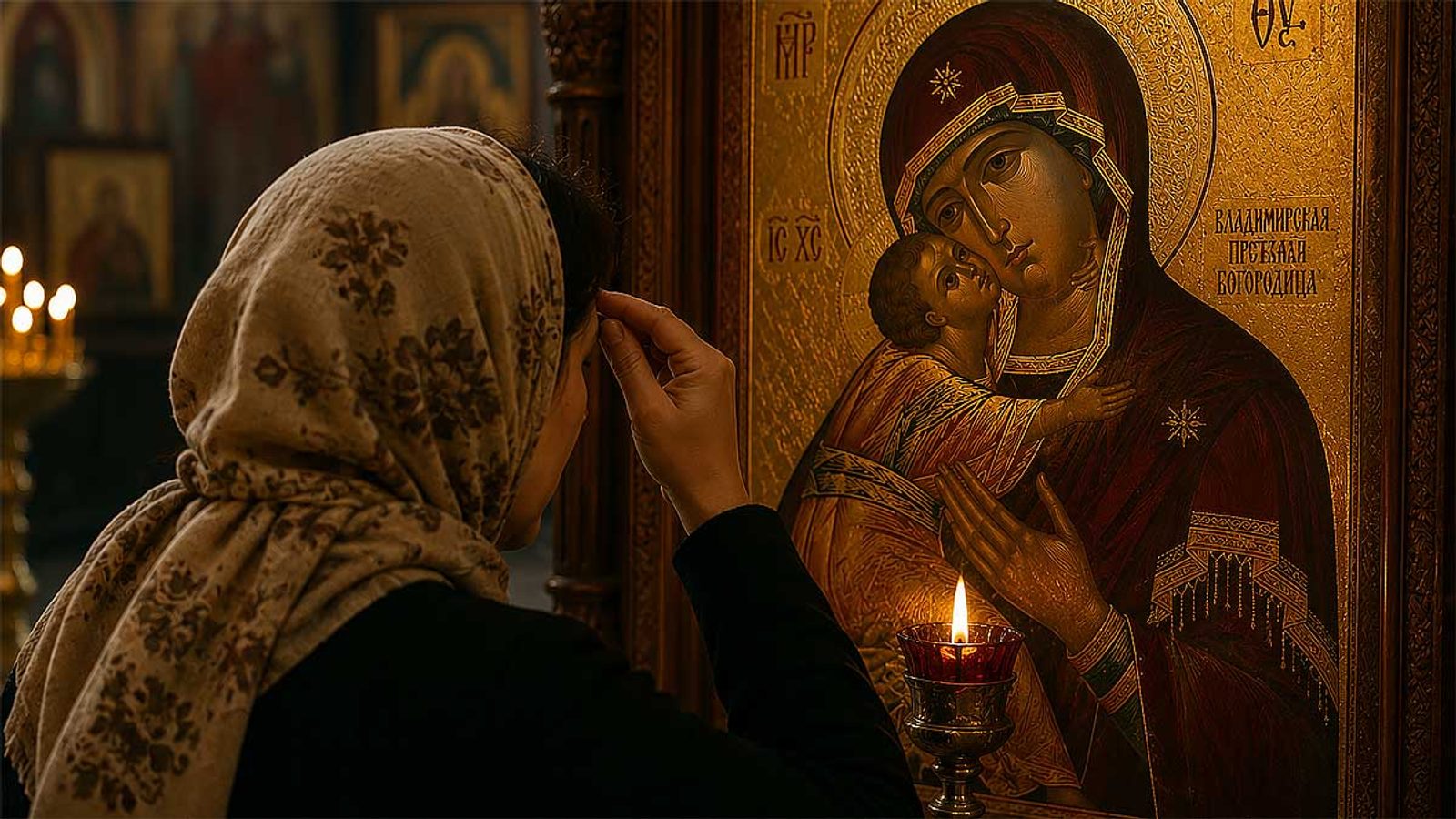
Church New Year: why the indiction begins on September 14 and what it means
The liturgical new year — the indiction — falls on September 14 (1 September old style); history, biblical links and folk customs for blessing the year.
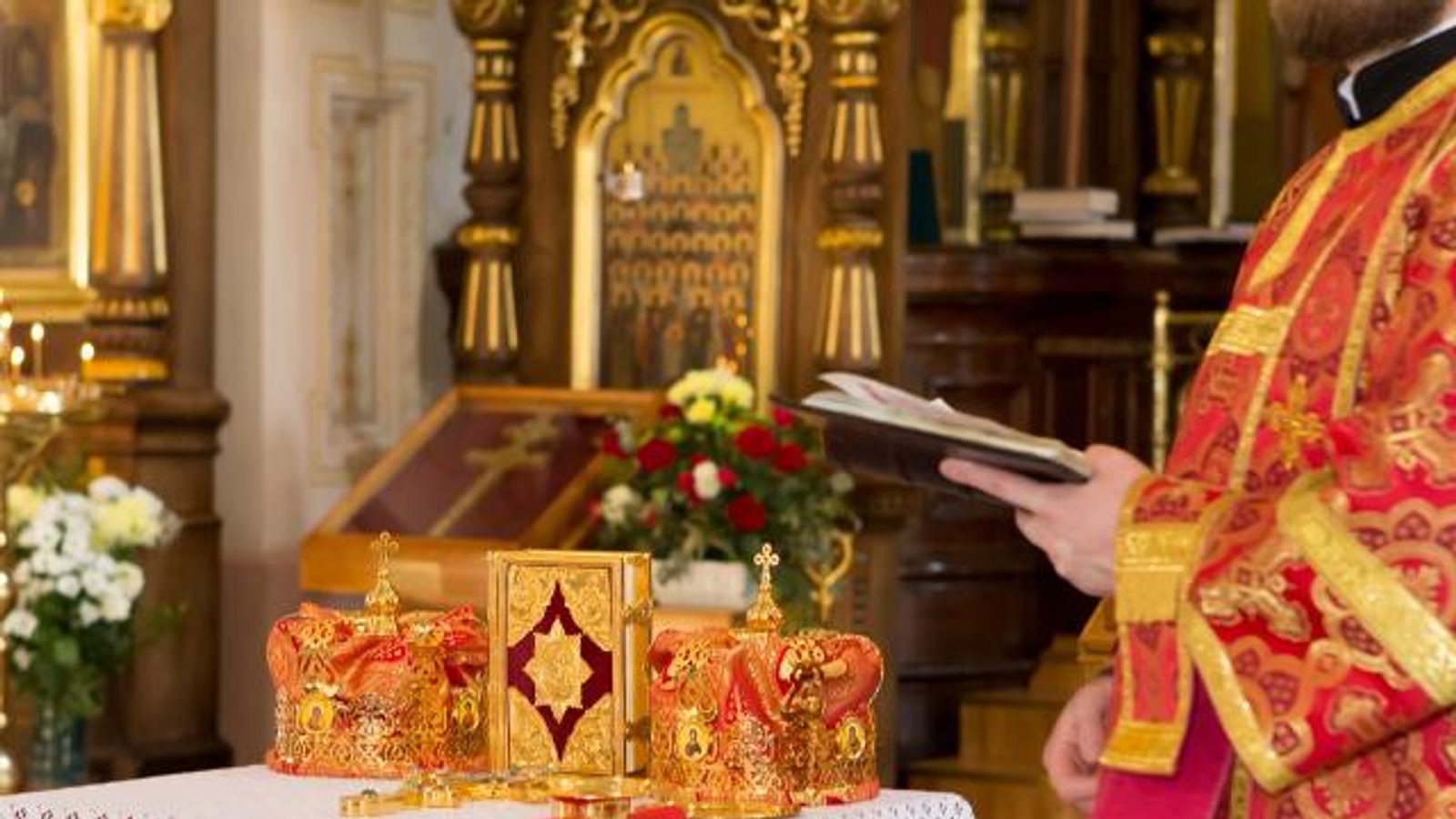
The Orthodox Church marks the start of the liturgical new year on September 14, a date tied to the indiction — the traditional ecclesiastical calendar that begins on 1 September according to the old (Julian) reckoning, which corresponds to September 14 in the modern (Gregorian) calendar.
The choice of this moment is rooted in agricultural rhythms and long-standing religious memory. In the Hebrew Bible the month that corresponds to September was associated with the civic year and the harvest offerings, as recorded in the book of Exodus. For early Christians the month acquired added meaning through two pivotal events.
Isaiah, Jesus in Nazareth and Constantine
One biblical milestone linked to the date is the episode when Jesus entered the synagogue in Nazareth and read the passage from Isaiah. He read about "the year of the Lord's favor," (Isaiah 61:1–2) — words that early Christians took as a sign of a new spiritual era and of God’s renewing action.
Another historic reference is the triumph of Constantine the Great over Maxentius, an event that helped secure freedom for the Christian faith within the Roman world. For centuries Christian societies even counted the civil year from 1 September; the later shift of the civil new year to January 1 began in Western Europe and reached Russia under Peter the Great.
For believers today this moment functions as an invitation to spiritual renewal: a day for giving thanks, asking God’s blessing for the coming year, and setting intentions for peace, health and prosperity. Popular practices include silent prayer and reflection, bringing freshly harvested fruit into the home as a symbol of abundance, symbolic planting or household cleaning, and reconciling with others so one enters the new cycle with a clear conscience.
Whether observed in church services or quietly at home, the indiction remains a calendar hinge where liturgy, history and seasonal life meet — a chance to close the old chapter and ask for blessing on the work and harvest of the year to come.
Photo: press material from the event