Dacic says SPS will run alone — tactical 'Trojan horse' or end of coalition?
SPS will submit candidate lists by 25 August; experts say the move could be a tactical test or signal a wider split in the ruling bloc.
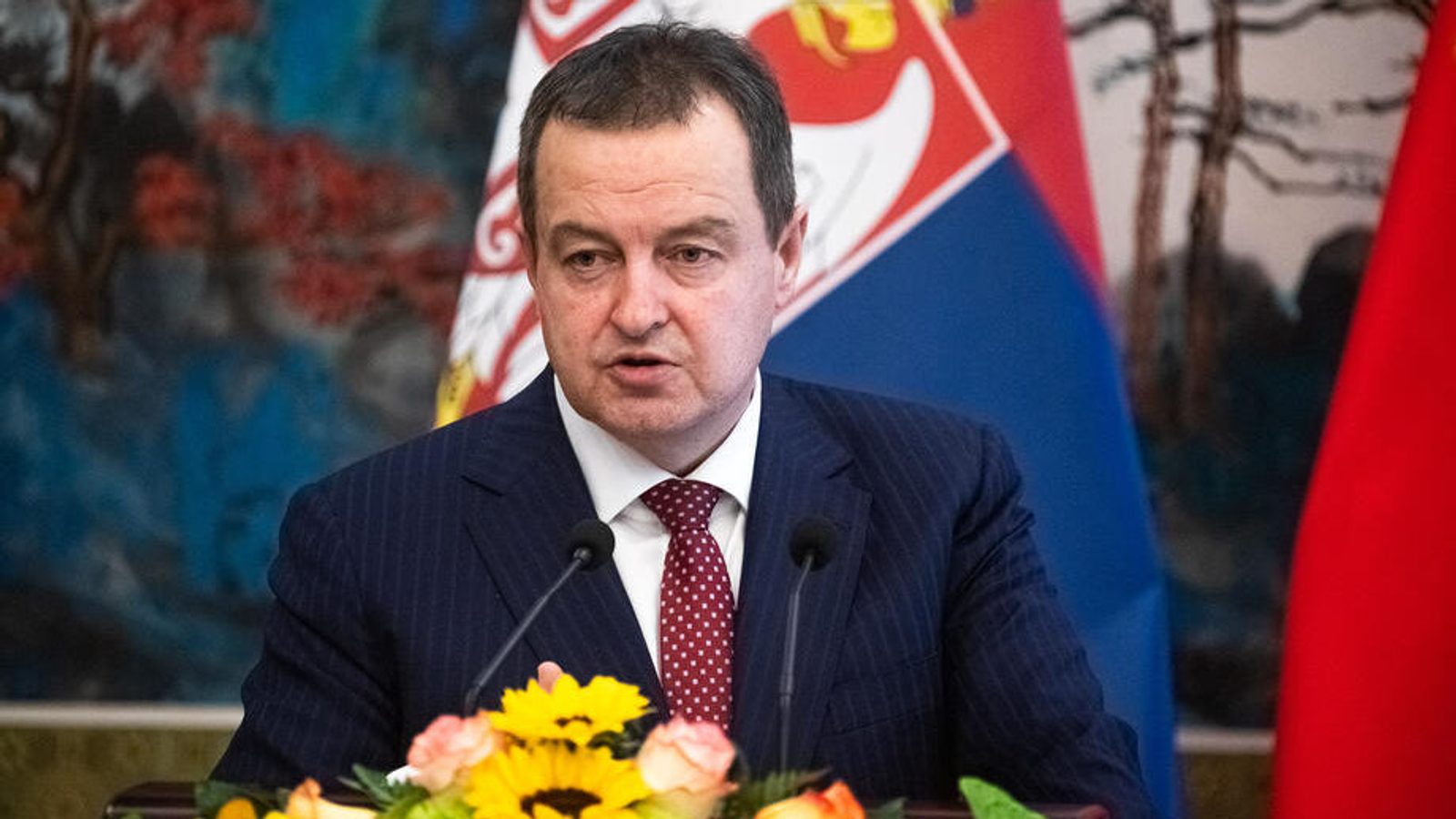
Ivica Dacic, leader of the Socialist Party of Serbia (SPS), announced that his party will run independently in the upcoming snap parliamentary elections and rejected reports of behind‑the‑scenes talks with the Serbian Progressive Party (SNS) about a pre‑electoral alliance.
"In July, the main committee of the SPS supported my announcement that we will run alone in the upcoming extraordinary parliamentary elections and that we will have our own presidential candidate. This was unanimously supported by 500 people, as many as were present at the party's GO session," Dacic said.
Timetable and organisational steps
According to Dacic, local, city and district party committees have been instructed to submit lists of parliamentary candidates and names for the presidential ticket by 25 August. He added that a presidential vote could be expected toward the end of December or in January.
The announcement comes amid speculation in Belgrade about whether the SPS move signals a rupture in the ruling coalition or a tactical ploy. Media and communications expert Igor Avžner warned that the statement could be a test balloon and urged caution.
"First of all, I don't believe a single word that Dačić says. He is a man who has survived all possible regimes, so I would view this statement by him with great reserve. There is still a lot of time for calculations and manipulations. This is probably a trial balloon. This could potentially mean that Vučić could not find a suitable person to run for president, and that Dačić would actually be a Trojan horse. On the other hand, I think that everything the ruling coalition does is synchronized," Avžner said.
Meanwhile, President Aleksandar Vučić has said elections in Serbia will be held within at most three months, a timeline that would compress the campaign and leave little margin for shifting alliances.
Photo: EPA-EFE/ROMAN PILIPEY