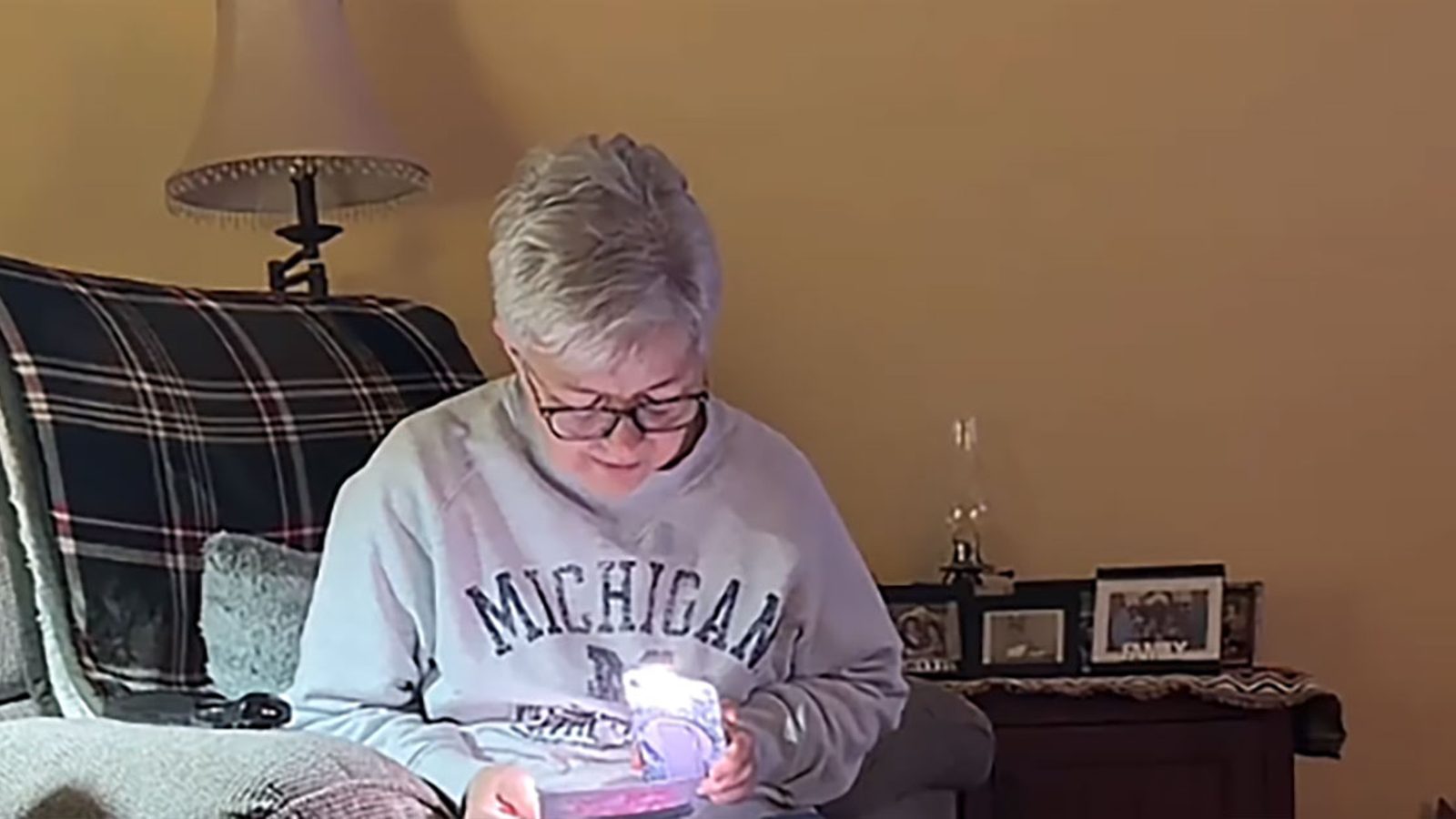
Željko Kozina: he quit his job to care for his autistic son Mateja
A father in Inđija describes daily routines, a school transfer to Stara Pazova, TikTok outreach and the verbal abuse his family endures online.
Željko Kozina from Inđija, Serbia, left his job to care for his son Mateja after the boy was diagnosed with autism. Today Mateja is 13 years old, and the family’s daily routine is shaped by appointments, therapies and constant supervision — but the emotional toll has been compounded by social isolation and hostile messages online.
From concern to diagnosis and a changed daily life
Ivana, Mateja’s mother, was the first to notice that their son behaved differently. When Mateja was between two and three years old the couple observed withdrawal, avoidance of play with other children and repetitive actions, like touching every lock they passed on walks. After repeated consultations with a pediatrician in Inđija and further assessments in Belgrade, more than a year passed before an official diagnosis was made.
Željko says he resigned from his job so he could be with Mateja while Ivana continued to work. For years he has spent most of his time at the boy’s side, accompanying him to school and therapies, and helping with speech and developmental work that often lasted only twenty minutes at a time because of Mateja’s limited concentration.
“My wife was the first to say something wasn’t right. I kept telling her: Maybe it’s nothing, let’s wait a little longer. But she was persistent and we began going to appointments,” Željko recalls.
Mateja’s progress has been gradual but visible. He started forming short sentences around five or six years old. Today he can perform some daily tasks independently — small victories that the family treats as major milestones.
“The fact that today he can take something to eat on his own or spread bread is a huge success for us. But you don’t get there with a single treatment. You have to work with the child every day,” Željko says.
The family also changed Mateja’s school path. After struggling in a regular elementary school in Inđija, where teachers lacked resources and there were problems with a personal aide, he transferred in fifth grade to a school in Stara Pazova for pupils who need additional support. Classes there run about four hours a day and his classroom has four students, which Željko says allows teachers to give more focused attention. Now Mateja returns from school content and not exhausted.
Despite the small improvements, isolation and hostility remain painful. Željko says people gradually stopped visiting; for years “nobody has come into our home.” He finds more encouragement from strangers on social media than from relatives.
To raise awareness, Željko posts short TikTok videos showing everyday life with Mateja. But alongside supportive messages he receives appalling comments — strangers telling him the child should be beaten, killed, or sent to a psychiatric institution. Those attacks hurt most when they come from adults.
“When I see that a comment was written by a child of ten or fifteen, I somehow try to understand. But when a person of 30, 40 or 50 writes something like that, I ask myself what kind of people we are,” he says.
Still, Željko refuses to stop speaking publicly about autism. He says his goal is not pity but to show what their daily life looks like and encourage understanding instead of judgement. His greatest worry is the future — who will care for Mateja when his parents are gone — so they focus on teaching basic life skills like bathing, eating and as much independence as possible.
Željko leaves a direct message to other parents who have just received an autism diagnosis: don’t be ashamed, seek professional help quickly and keep working with your child. “A parent must not be ashamed. You should get help as soon as possible and work with the child. If you give up, who will be there for them? No giving up,” he says.
Photo: press material from the event