Feast of Saint Evsignij — repentance and the example of a soldier-martyr
Church tradition recalls Evsignij’s long military service, his righteous judgement in Antioch and his execution under Julian the Apostate in 362.
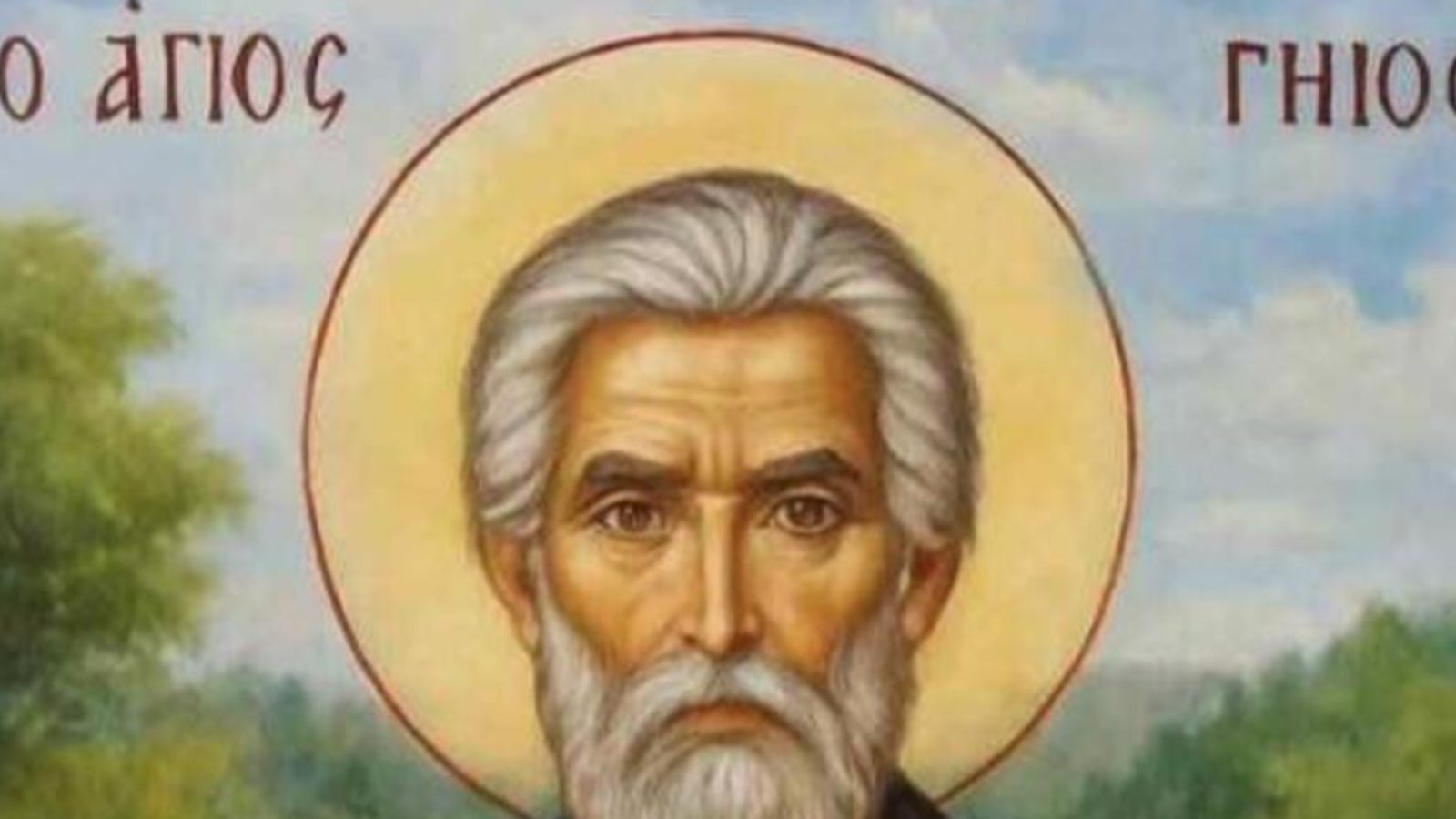
Today marks the feast of Saint Evsignij, a soldier-turned-martyr from Antioch whose life is remembered for steadfast faith and a long military career under several Roman emperors.
According to church tradition, Evsignij served in the imperial army during the reigns of Diocletian, Maximian (Chlorus), Constantine the Great and Constantine’s sons, spending a total of sixty years in military service. He was present at the suffering of the martyr Basilisk and later recorded that martyrdom in writing.
After retiring during the rule of Constantine’s sons, he returned to his native Antioch and devoted himself to a pious life of fasting, prayer and good works. His reputation for justice and holiness grew among the local community.
Trial and martyrdom under Julian
When Julian the Apostate became emperor, two men in the street who were in dispute chose Evsignij to arbitrate their quarrel. He issued a fair judgment, but the losing party, angered, accused him before the emperor of being a Christian. Summoned to court, Evsignij refused to deny his faith; instead, he openly reproached the emperor for renouncing Christianity and pointed to the example of Constantine the Great. Enraged, Julian ordered that Evsignij be executed by beheading. The saint suffered martyrdom in advanced age in the year 362 and, according to church tradition, passed into the heavenly kingdom.
The sermon for the day emphasizes that only a genuine change of heart—stopping evil, doing good and approaching the Lord with humility and repentance—can cleanse a sinner: "Only if sinners cease to do evil, learn to do good and approach the Lord with humility and repentance, will they become white as snow. The Lord is powerful and merciful. No one but Him can cleanse the human soul of sins and restore its purity." The homily goes on to compare human effort to wash a cloth with water, ash and soap: without offering the cloth to sunlight it cannot regain true whiteness, and likewise the soul needs to be brought before God to be illumined and purified. The sermon calls believers to wash the soul with tears, cleanse it by repentance and conscientious care, adorn it with good deeds, and finally to draw near to God.
Photo: press material from the event