Commemoration of the Prophet Micah II
The eighth‑century BCE prophet from Moresheth is remembered for denouncing corruption and for the prophecy that names Bethlehem as the birthplace of the future ruler of Israel.
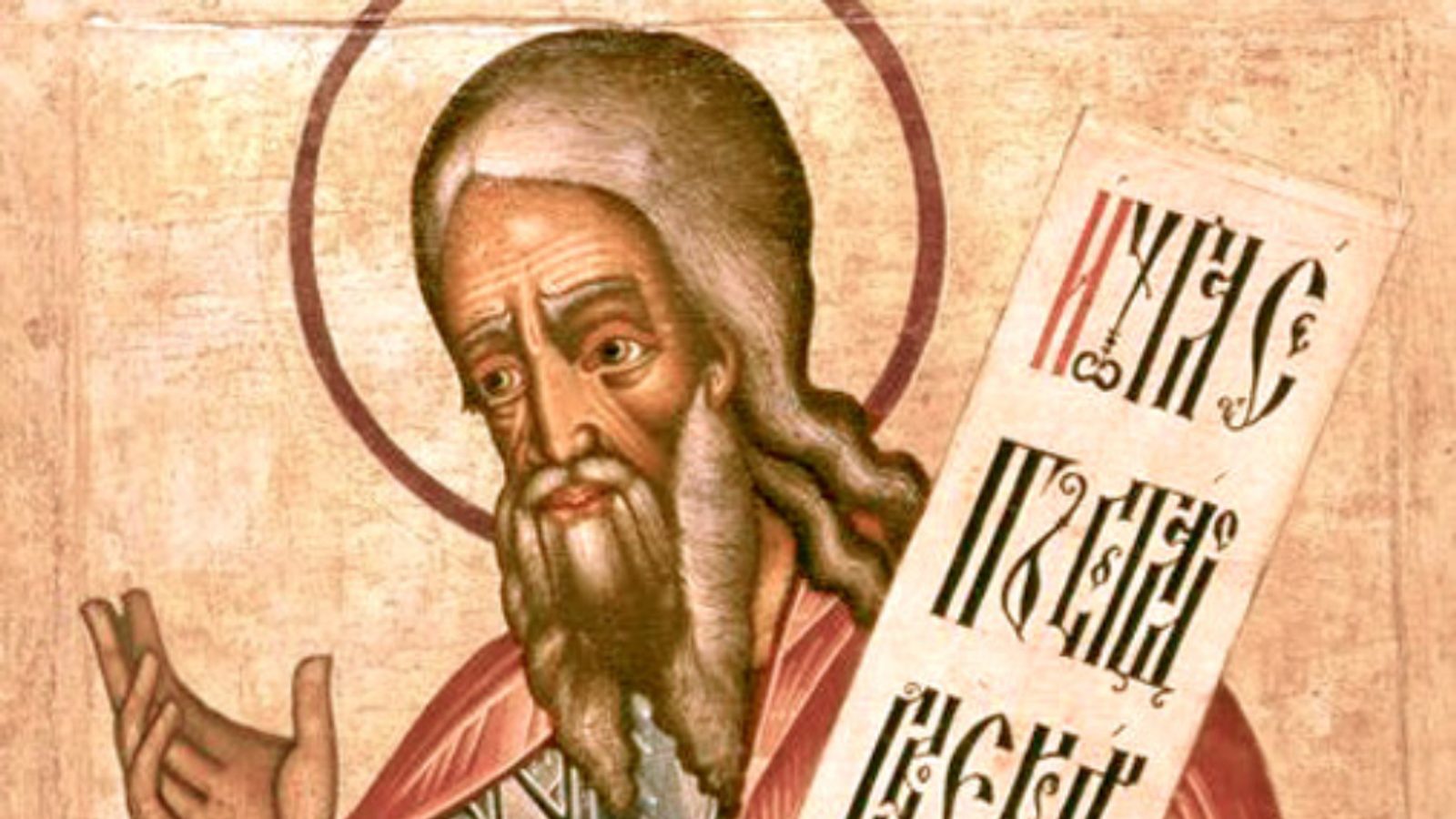
Today the Church commemorates the Prophet Micah II, remembered both as a critic of social injustice in ancient Judah and as the prophet who named Bethlehem as the future birthplace of the Messiah.
Micah came from the tribe of Judah and from the village known in the tradition as Moresheth — hence the ancient epithet often rendered in English as the Morasthite. He was active in the late 8th century BCE and is counted among the prophets who spoke during the reigns of the Judean kings Jotham, Ahaz and Hezekiah; his career places him alongside Isaiah, Amos and Hosea in the classical prophetic generation. ([biblegateway.com](https://www.biblegateway.com/passage/?search=Miqueias+1&version=ARC%3BNTLH%3BNVT%3BNIV%3BKJV&utm_source=openai))
In his messages Micah denounced the corruption of the ruling class, the clergy and the professional seers who promised a false peace in return for bribes. He predicted the downfall of Samaria and warned that Jerusalem would suffer because “its leaders take bribes, the priests teach for a price, and its prophets practice divination for money.” One of the most famous lines attributed to his warning about Jerusalem reads, “Therefore, because of you, Zion will be plowed like a field, and Jerusalem will become a heap of ruins.” ([biblegateway.com](https://www.biblegateway.com/verse/en/Micah%203%3A12?interface=print&utm_source=openai))
Most enduring in Christian tradition is Micah’s prophecy about the origin of the future ruler of Israel: he identifies Bethlehem (Bethlehem Ephrathah) as the place from which the ruler—whose origins are “from of old, from ancient times”—will come. That verse (Micah 5:2) is repeatedly cited in later Christian readings as a prediction of the Messiah’s birthplace. ([biblegateway.com](https://www.biblegateway.com/verse/en/Micah%205%3A2?utm_source=openai))
There is no firm historical record of Micah’s death: some traditions hold that he was slain, others that he died peacefully. Church tradition places his burial in his native village, and later hagiographic accounts relate that his relics were rediscovered — together with the relics of the prophet Habakkuk — in the time of Emperor Theodosius the Great, according to a report associated with the bishop of Eleutheropolis called Zevin. ([lapide.org](https://lapide.org/39_Micheas_Argumentum.html?utm_source=openai))
On his commemoration clergy and faithful recall both his fierce condemnations of social abuse and his messianic oracle about Bethlehem; the texts of Micah are read in services as a call to justice and as part of the chain of scriptural passages that Christian tradition connects to the Nativity.
Photo: press material from the event