Ten years since the Skopje flood: Lessons not learned
Repaired houses and patched roads have replaced much of the immediate damage, but slopes, channels and design flaws that helped turn the 2016 storm into a deadly flood remain largely uncorrected.
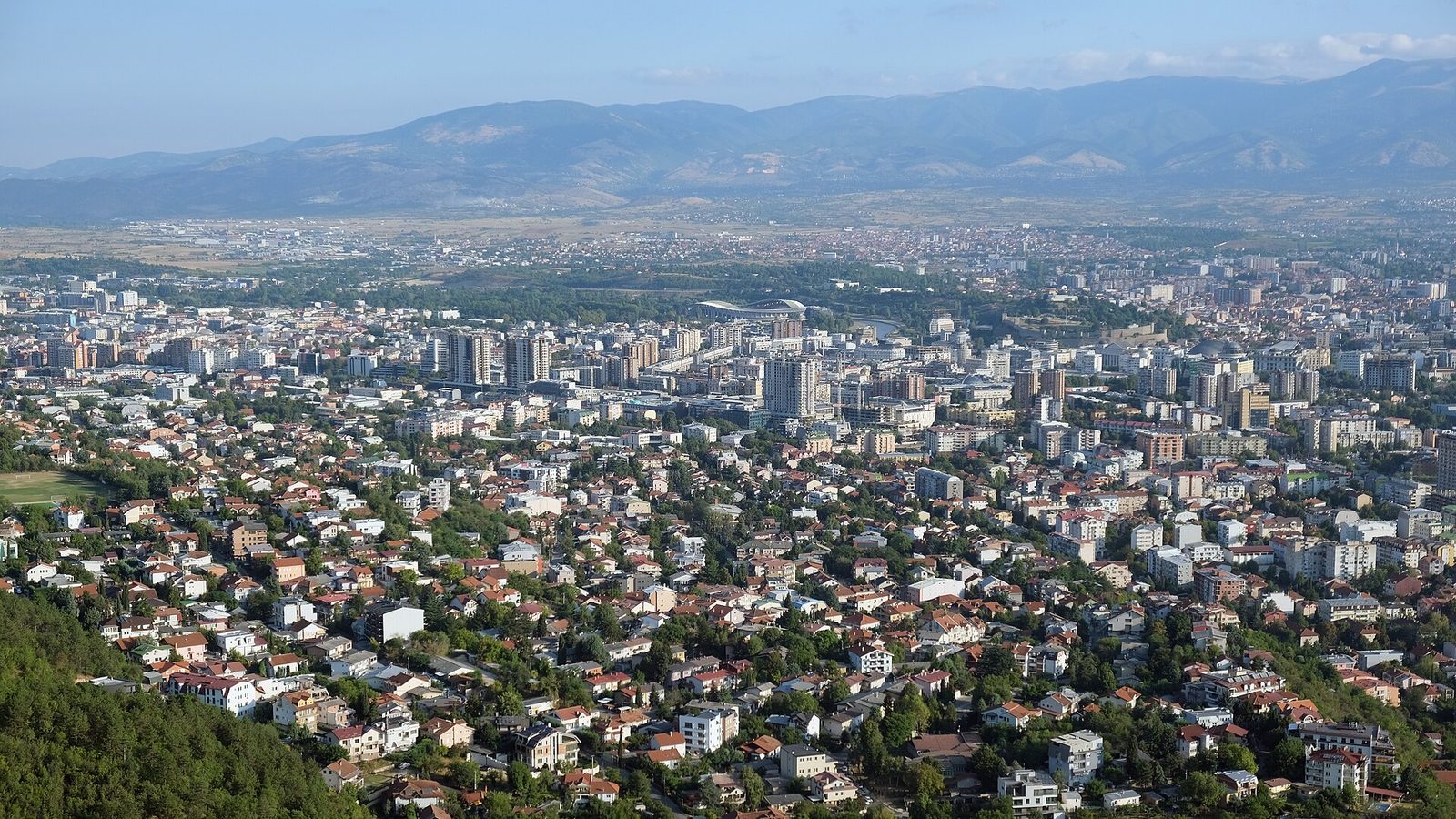
Ten years after the violent storm that hit the Skopje Basin on the night of August 6, 2016, there are visible repairs but few signs that the structural and environmental weaknesses that turned the event into a deadly disaster have been fixed. The flash flood claimed 22 lives and caused more than €30 million in damage.
Neighborhoods that bore the brunt of the deluge — Singjelic, Čento, Stajkovci, Arachinovo and surrounding settlements — show repaired houses and streets, and cleared mud in many places, but memories of water rushing through yards and up to two metres on streets remain vivid among residents.
Yet the landscape that channelled the catastrophic flows has changed little. The bare slopes of Skopska Crna Gora that released massive torrents of mud have not been reforested; some drainage channels have been cleaned while others are overgrown and clogged with rubbish; and in several spots local residents have themselves covered channels with concrete slabs to extend their yards, reducing natural flow paths.
Warnings ignored, design flaws left unaddressed
Repair works on the carriageway of the Skopje bypass were completed, but experts’ warnings that aspects of its design exacerbated the flood’s effects were not acted upon. That failure to address structural shortcomings and to invest in catchment restoration leaves the same communities exposed should a comparable storm — described at the time as "the 'thousand-year storm'" — happen again.
The anniversary underlines a wider problem: visible recovery does not equal resilience. Physical repairs can hide persistent environmental degradation and planning choices that make future extreme rainfall more dangerous for people and property.
Photo: kallerna / Wikimedia Commons (CC BY-SA 4.0)