Dimitrieska-Kochoska: Taxes apply equally to all; Public Revenue Office can determine liabilities five years back
The minister said the essential issue is whether a tax obligation existed and whether it was paid; the Public Revenue Office may determine liabilities for five years prior.
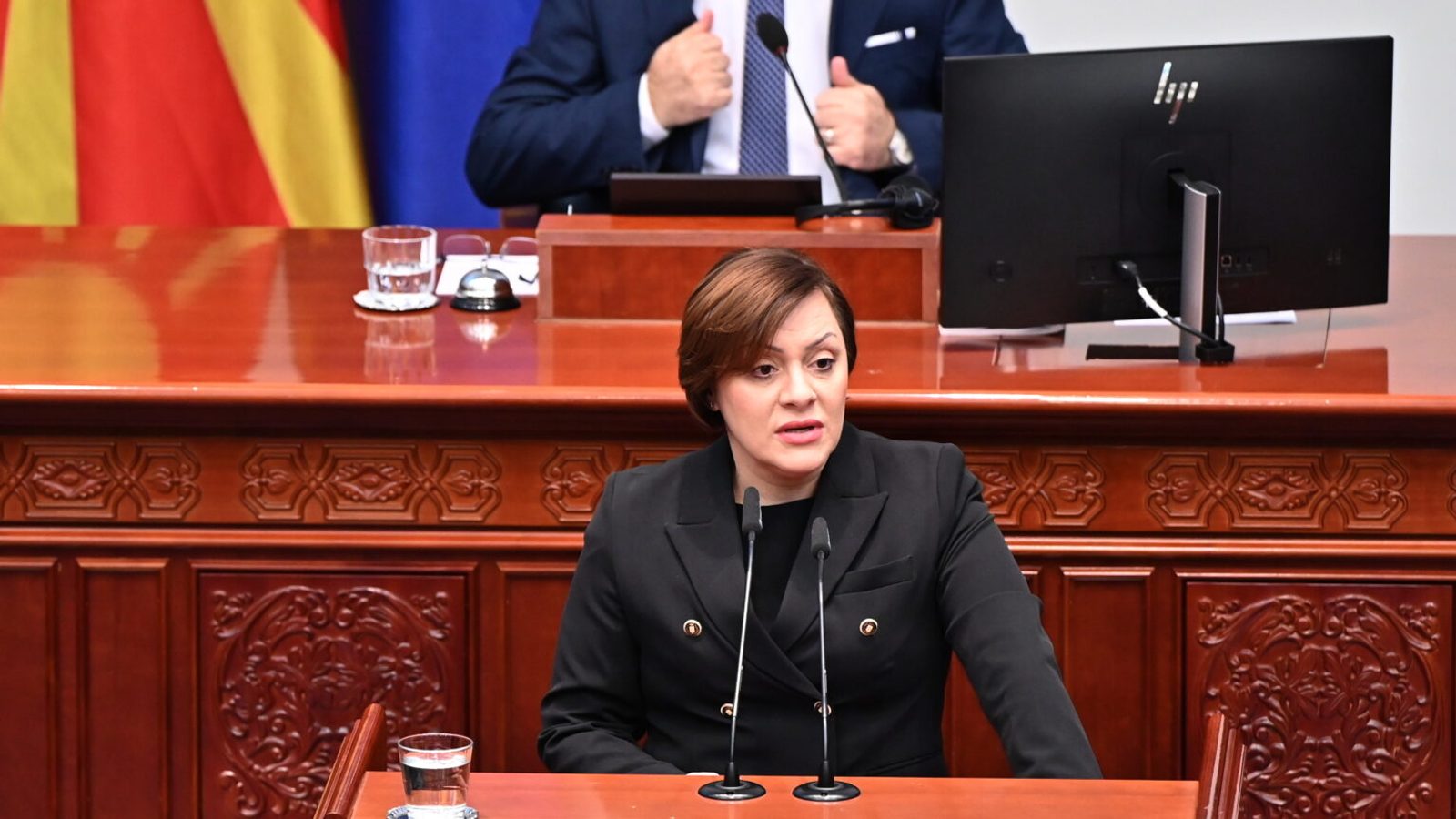
Finance Minister Gordana Dimitrieska-Kochoska told the Assembly that tax obligations apply equally to all citizens and must not be linked to ethnic background, while defending the Public Revenue Office's authority to examine past years' liabilities.
The exchange began after MP Rina Ajdari asked about procedures for citizens who worked abroad and how the Public Revenue Office (PRO) determines tax debts from previous years. During the parliamentary discussion MPs also raised concerns whether those controls disproportionately affect people from particular regions or ethnic communities.
PRO's scope and the core question
Dimitrieska-Kochoska rejected an ethnic reading of the procedures and emphasised what she said is the essential point: whether a tax obligation existed and whether the tax was paid. She underlined that the Public Revenue Office is the body that must act in accordance with the law.
According to the minister's statement, the Public Revenue Office has the legal capacity to establish tax obligations retroactively for up to five years. That, she said, frames the timeframe for possible assessments of income earned abroad.
The minister's intervention sought to shift the debate from questions of motive to the technical and legal criteria used by tax authorities when investigating unreported or underreported income, including earnings obtained outside the country.
MPs did not announce immediate follow-up measures in the plenary. The issue is likely to remain on the parliamentary agenda while affected citizens and their representatives continue to request clarification of procedures and safeguards against discriminatory enforcement.
Photo: press material from the event