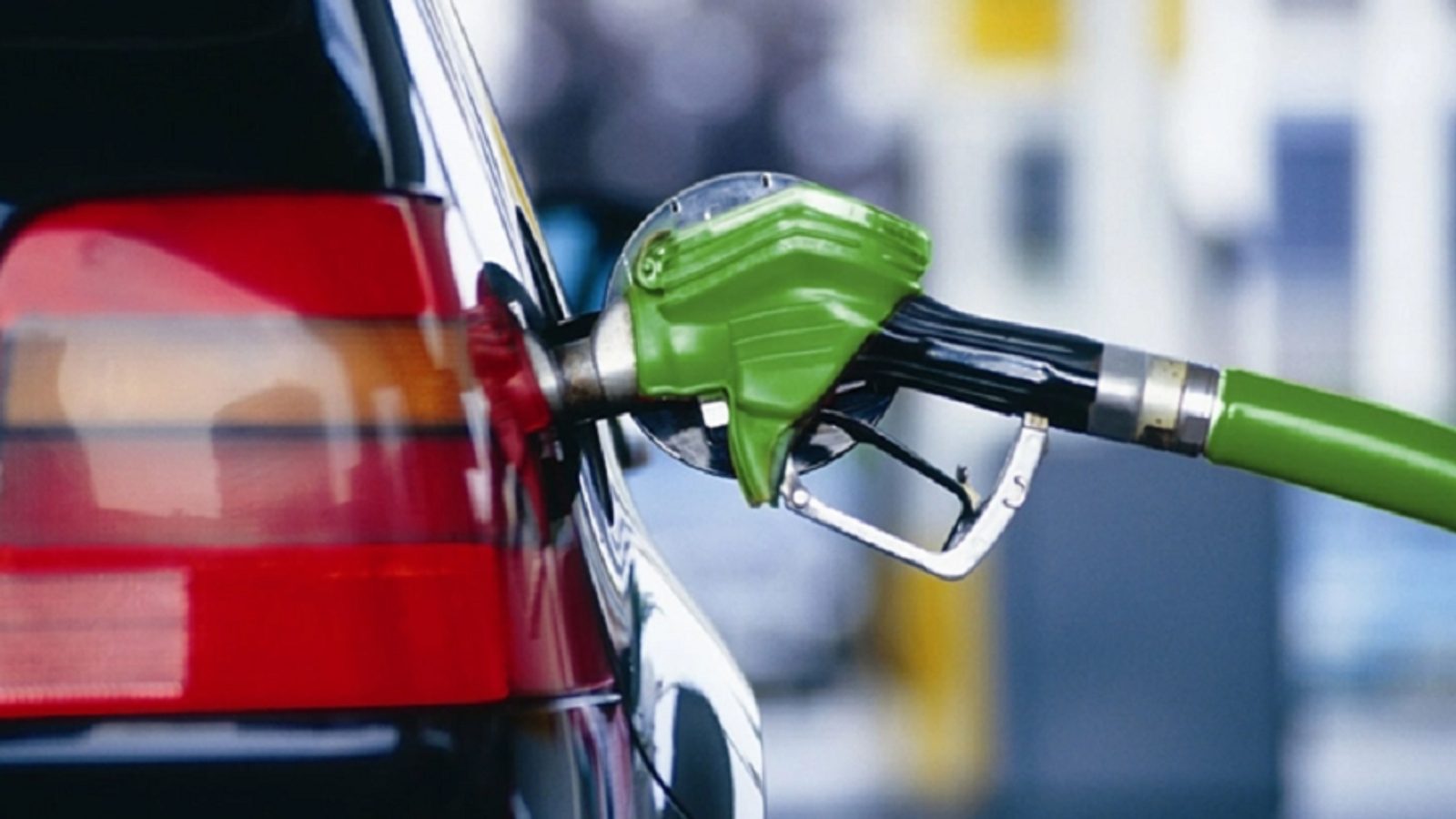
Diesel tops 100‑denar mark — now 101.5 denars per litre as government holds off measures
Regulator raised diesel by 3.5 denars to 101.5 denars per litre; government says it has plans but will not cut VAT now.
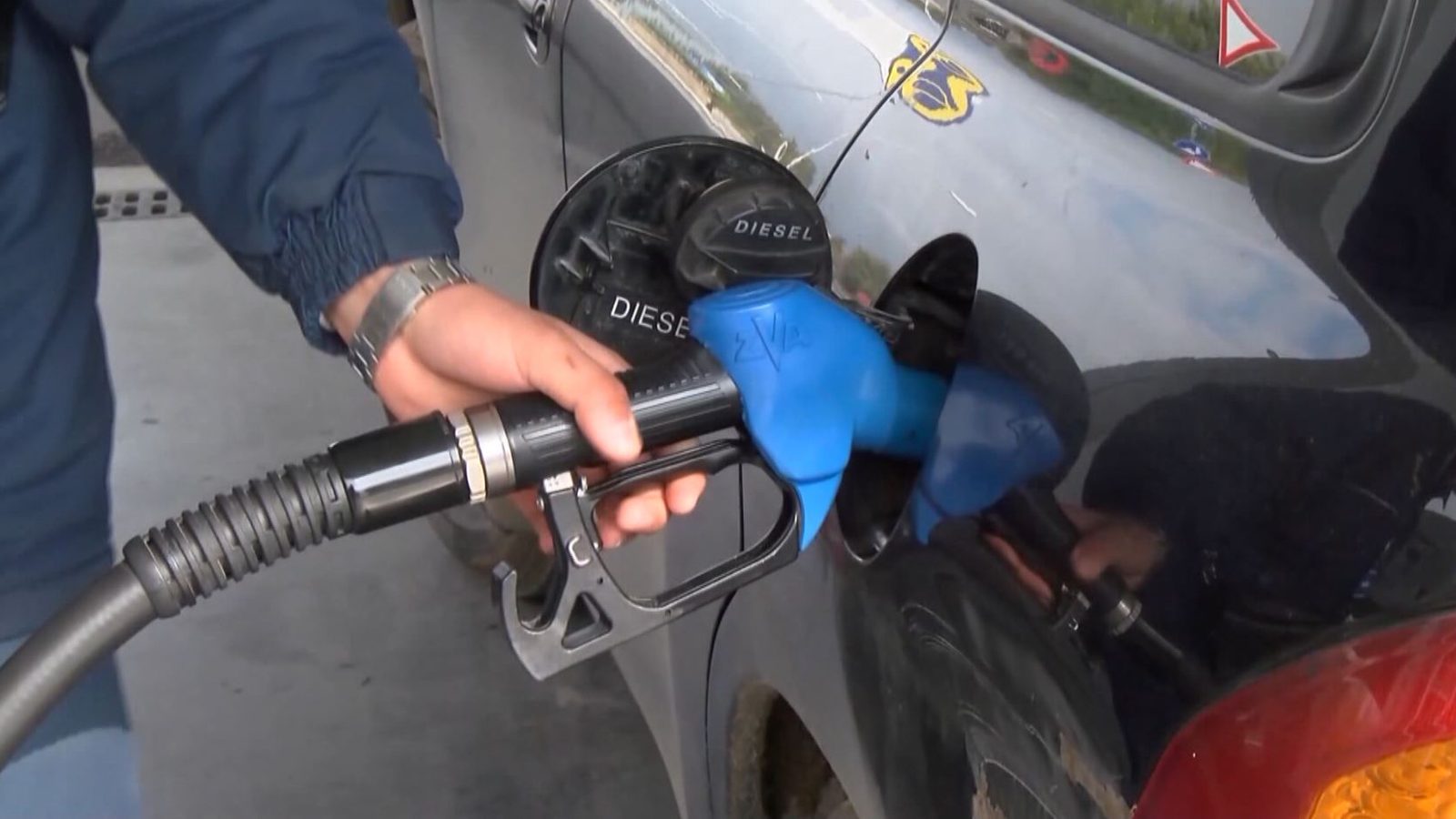
Diesel fuel in North Macedonia has surpassed the symbolic 100‑denar threshold after a regulator decision that raised retail prices; diesel now sells at 101.5 denars per litre. The Energy Regulatory Commission increased petrol prices by 1.5 denars and diesel by 3.5 denars as of today.
Government says it has contingency plans but will not introduce VAT cuts yet
The Government of North Macedonia says it is monitoring the situation and has contingency options — including a possible reduction of VAT on fuels — but will not apply such measures at this time. For now the only fiscal relief in place remains the temporarily reduced excise: 2 denars lower for petrol and 4 denars lower for diesel compared with the regular rate.
Prime Minister Hristijan Mickoski framed the higher domestic prices in a regional context and pointed to cross‑border demand. He said: "Diesel fuel in Macedonia is half an euro per litre cheaper than in Albania, it is 35 cents cheaper than in Serbia, it is 30–50 cents cheaper than all countries in the region: Greece, Croatia, Slovenia, BiH etc., regardless of whether we speak about unleaded or diesel. So, if we leave politics aside and start looking at the numbers we will conclude that at the moment, because we all buy from the same place, we do not buy from different places, we all buy oil and oil derivatives from the same place, the citizens in Macedonia, but also citizens from some neighbouring countries come to Macedonian petrol stations to fill the tanks of their cars and their vehicles. We, as a government, provide not only for Macedonian citizens, the total volume of petrol and diesel sold has increased by roughly 50–60 percent in recent months, and at the same time we manage to maintain macroeconomic stability in the country, to keep inflation at the lowest in the region," said Prime Minister Hristijan Mickoski.
Consumers have not seen diesel prices above 100 denars since October 2022, when prices peaked during the energy shock triggered by the war in Ukraine. The latest rise follows broader global uncertainty in oil markets and regional price dynamics.
Households and businesses are already feeling the pressure: retail fuel costs have climbed steadily in recent months and the new regulator decision adds an immediate increase at pumps. Analysts warn that without targeted interventions fuel costs could continue to feed into transport and consumer prices.
Photo: press material from the event