Deutsche Bank authorised to settle yuan payments, first European bank with that role
The German bank becomes the first non‑Chinese European institution authorised to settle yuan payments, a step that could lower costs and speed transfers between Europe and China.
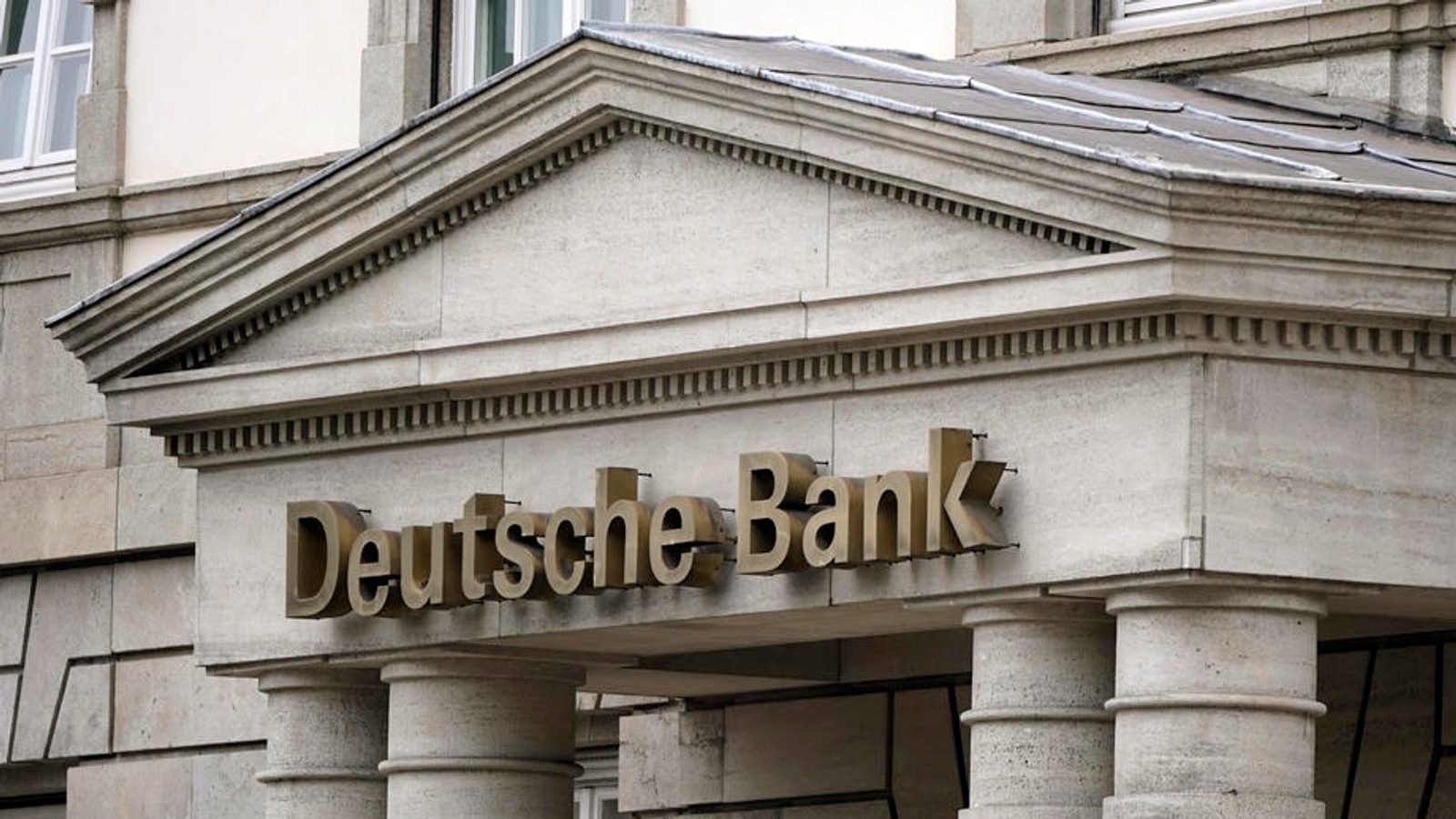
Deutsche Bank has received authorization to clear cross‑border transactions in Chinese yuan, becoming the first non‑Chinese European financial institution to hold that role and opening a more direct channel between Europe and China.
The bank says the new clearing capability will improve its ability to serve clients operating between the two continents by shortening settlement times and cutting currency conversion costs. For European companies that trade with Chinese partners, the step could simplify payments and reduce exchange‑rate frictions; Chinese firms may gain easier access to financing and investment opportunities in Europe while keeping a greater share of activity denominated in yuan.
Deutsche Bank China president Leo Jin described the development as creating a "direct bridge" to the Chinese financial system and said the move strengthens the bank's support for customers with China‑related business.
"We expect European firms to use this infrastructure to reduce currency friction in their business with China," Jin said.
Background and wider implications
Until now, yuan clearing on foreign markets has largely been handled by branches of China's biggest state banks — including Bank of China, Industrial and Commercial Bank of China, Bank of Communications and China Construction Bank. Deutsche Bank's new role gives a major European institution more direct involvement in the infrastructure that underpins use of the Chinese currency outside China. The German group has been a direct member of CIPS, the China International Payment System, since 2015.
The decision comes as Beijing pushes to internationalize the yuan and expand its use in trade, investment and cross‑border financing — a process that has gained urgency amid heightened trade tensions with the United States and uncertainty over US trade policy. Lower interest rates in China for some borrowers also create an incentive for certain foreign companies and financial institutions to borrow in yuan.
Analysts say the step could accelerate the currency's gradual integration into global payments, giving companies more choice over settlement currencies and potentially easing dollar dependence in some corridors.
Photo: press material from the event