Danube drought forces second reactor at Cernavodă offline; 700 MW unit to be shut
Record-low Danube flows force Romania to take both Cernavodă reactors offline; emergency river works cost more than two million euros.
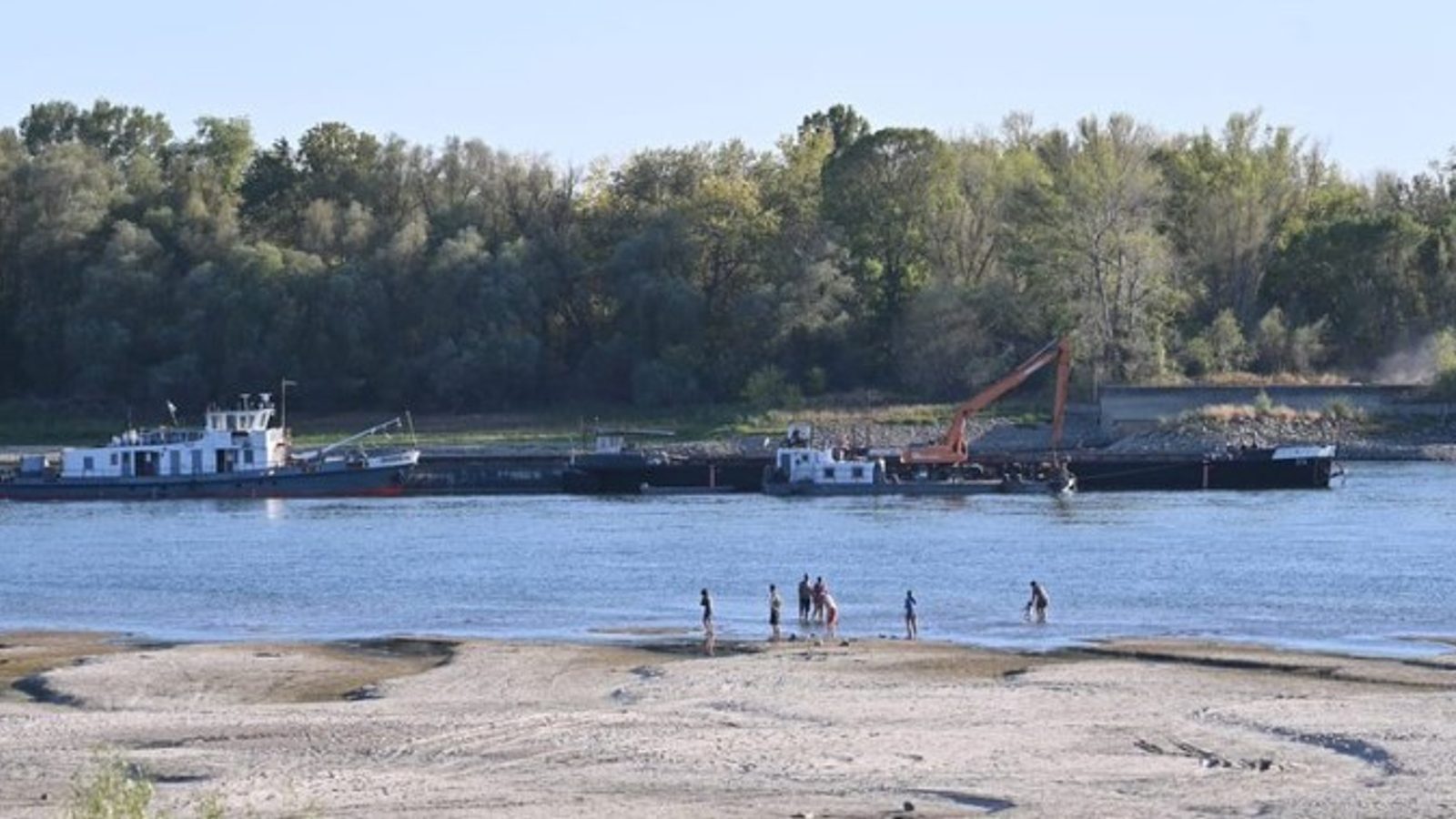
Record-low water levels on the Danube have forced Romania to begin shutting down the second reactor at the Cernavodă nuclear power plant, the facility that supplies roughly one fifth of the country’s electricity. The move follows the shutdown of the first reactor last month and is driven by the river’s inability to provide adequate cooling water.
Operators announced that the second unit, rated at 700 megawatts, will be taken offline after measures to secure sufficient cooling supply failed to restore safe operating conditions. Authorities have spent days trying to avert a full plant shutdown.
As an emergency response, crews excavated part of the rocky riverbank and sank four barges loaded with stones into the Danube to create temporary access to water for cooling intakes. The interventions are estimated to have cost more than two million euros.
Regional ripple effects
The problem extends beyond Romania. Earlier this month Hungary’s Paks nuclear plant was taken offline because of similarly low Danube levels — a shutdown described as the plant’s first in 44 years. In neighboring Slovenia, the Krško plant began throttling output seven days ago, initially reducing production to eighty percent and warning further cuts could be needed.
“Hungary is sinking two barges to ensure a key nuclear power plant stays online, Prime Minister Péter Magyar said today.”
Climate factors are implicated: prolonged heatwaves and scarce rainfall across Europe have driven river flows to historic lows. An analysis by the Copernicus climate service found historically low July discharges along nearly two-thirds of the Danube’s course.
The shortfall of electricity caused by the Cernavodă shutdown will be offset through alternative production — including wind farms — and imports. Officials have appealed to citizens to use power rationally while supply is constrained. The plant will return to full capacity only when river levels and temperatures once again permit normal cooling operations.
Photo: press material from the event