Ebola case in Abuja: 42-year-old diplomat’s wife confirmed and evacuated
A 42-year-old woman linked to a Swiss diplomat tested positive; she was flown to Geneva on 26 October and 52 contacts are under follow-up.
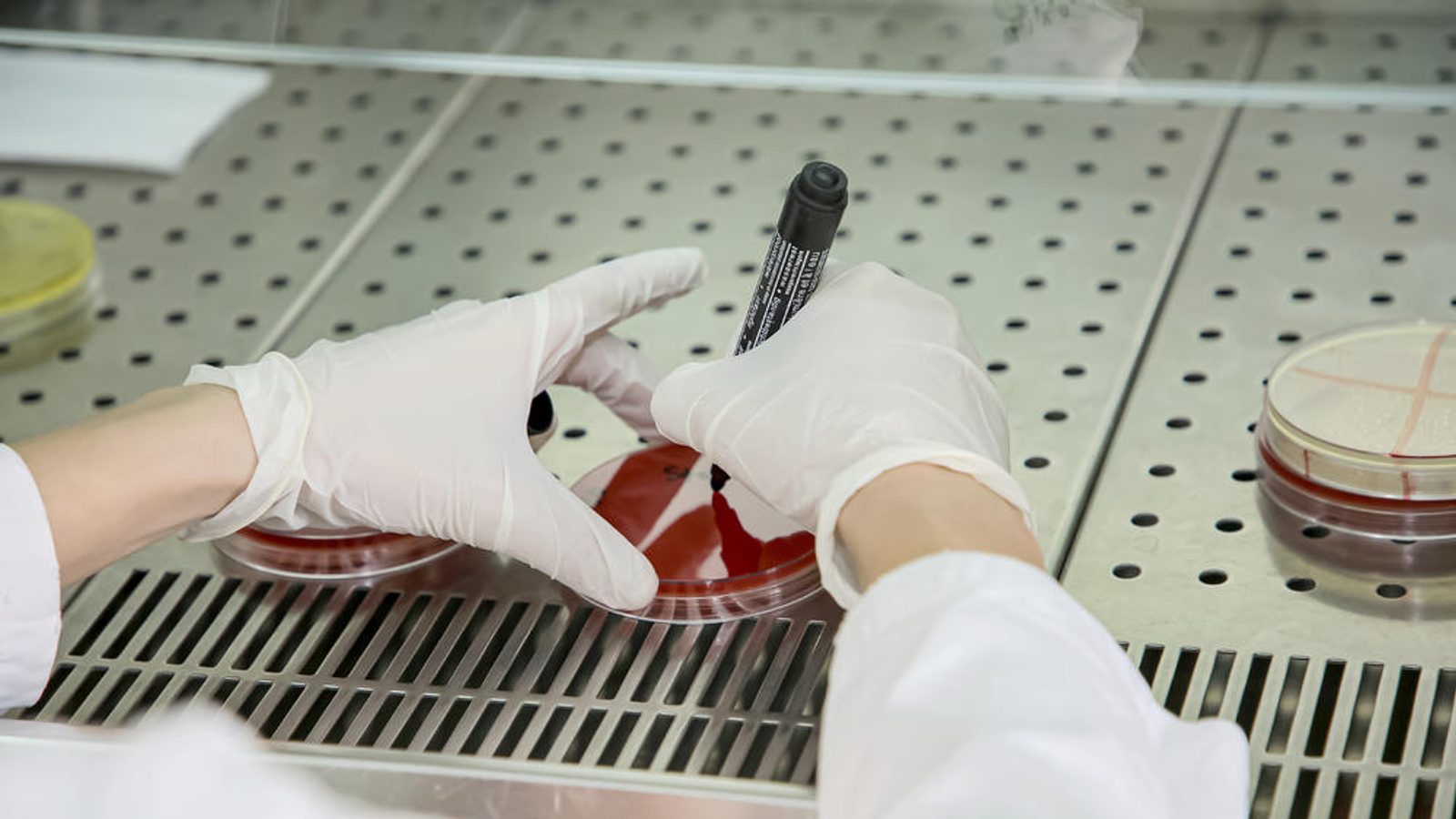
A confirmed case of Ebola has been detected in Abuja: a 42-year-old woman, the wife of a Swiss diplomat posted in Nigeria, tested positive, prompting stepped-up contact tracing and containment measures.
The Swiss Federal Department of Foreign Affairs confirmed the infection on Tuesday and said health protocols were immediately activated. The woman lives in Abuja with her husband, who is employed by the Swiss diplomatic service.
Authorities say the couple travelled earlier this month to Uganda, the woman’s country of origin, and that the trip is being examined as a possible link to the infection, although investigators have not yet established the precise source.
Her husband is currently in isolation in Zurich as a precaution; he is not showing symptoms but his condition is being closely monitored. All 25 staff at the embassy in Nigeria are reported to be in good health — eight are Swiss citizens and the remaining 17 are local employees. After consultations with Nigeria’s Ministry of Health and the World Health Organization, embassy employees were not placed in isolation because existing assessments did not indicate a need to isolate everyone.
Patient transfer and contact tracing
On 26 October the patient was medically evacuated from Nigeria to Switzerland and is being treated at the University Hospitals of Geneva. Nigerian authorities are following 52 people who had contact with the infected woman. Officials say her condition has significantly improved, though she may still be contagious.
Ebola is a severe viral illness that most commonly begins with sudden high fever, intense headache, muscle pain, pronounced weakness and fatigue. As the disease progresses some patients develop vomiting, diarrhea, abdominal pain and organ dysfunction; in severe cases bleeding may occur. The incubation period typically ranges from 2 to 21 days, which is why close monitoring of potential contacts is essential.
Because Ebola is transmitted through direct contact with blood, secretions or other bodily fluids of symptomatic patients or via contaminated objects, early detection, rapid isolation and thorough contact tracing remain the main tools to prevent further spread. Nigeria’s experience in 2014 — when rapid identification and coordinated measures helped limit spread during the West Africa epidemic — is cited by officials as relevant background.
Health authorities in Nigeria, Switzerland and international organizations continue to exchange information to determine the infection’s origin and assess any further risk. The embassy in Abuja remains open but is operating with reinforced health and security measures while epidemiological checks continue.
Photo: press material from the event