Environment law and €600 minimum wage spark clash in Parliament
Proposed environmental changes triggered civic protests while a SDSM plan for a 600-euro minimum wage failed to pass in plenary.
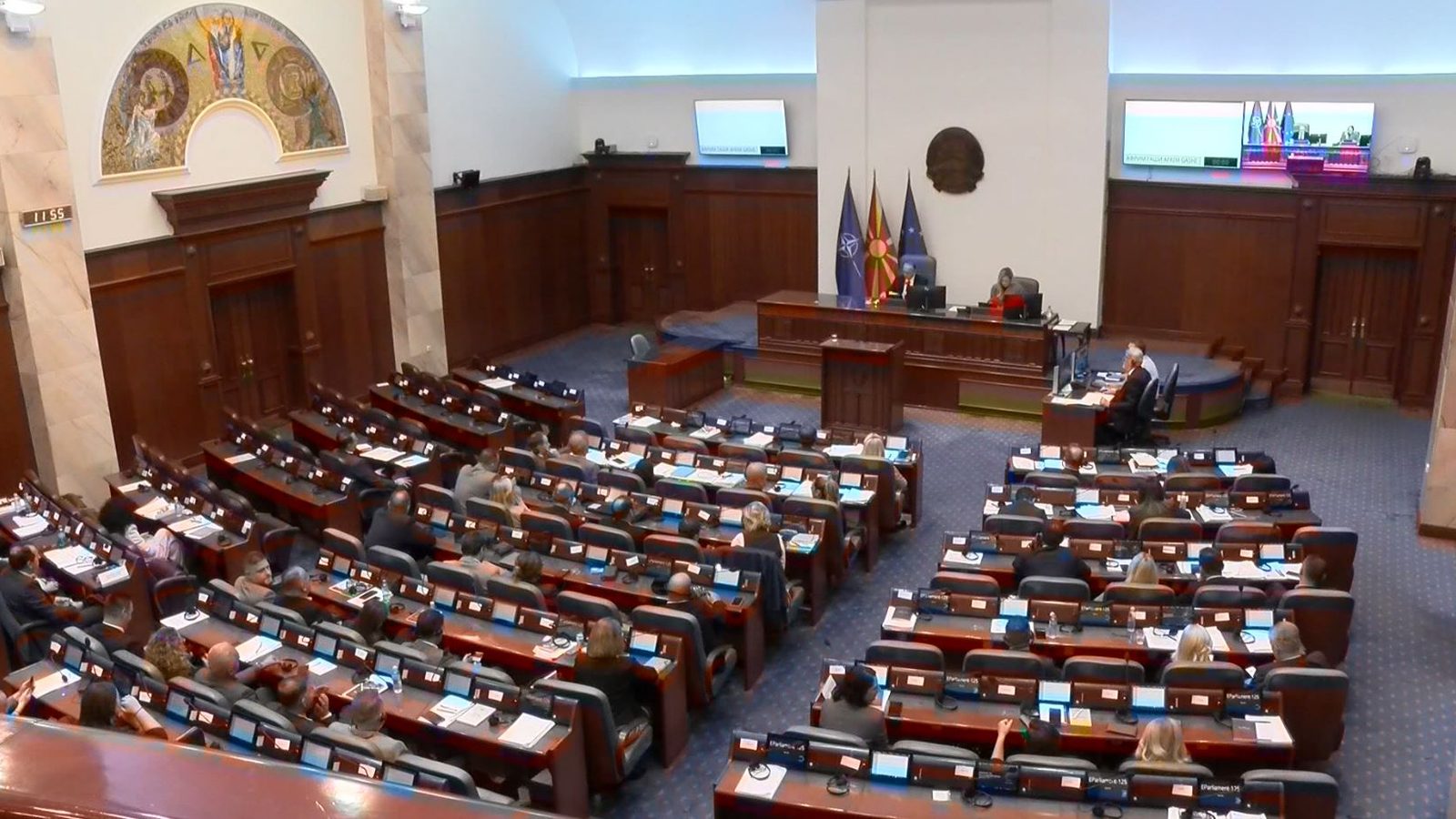
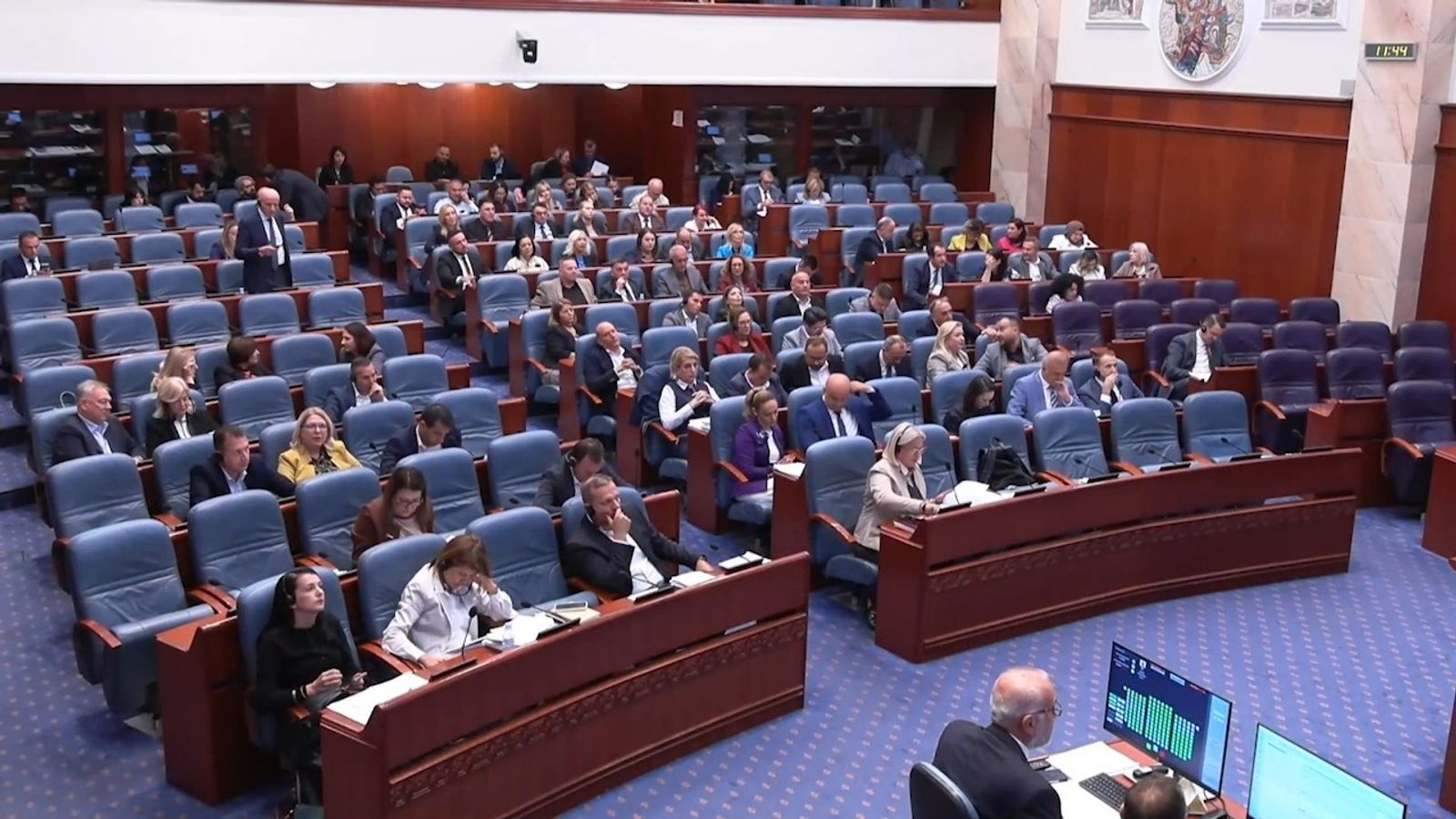
Parliament in Skopje turned into the scene of a heated confrontation as proposed changes to the Environmental Protection Law and a party-backed plan for a €600 minimum wage dominated the agenda. The government has fast-tracked the environmental amendments under an EU-alignment label, and parts of the draft already cleared parliamentary committee stages before the plenary debate.
Environmental amendments and civic backlash
Opposition and civic groups warned that the draft would ease conditions for heavy polluting industry to operate near populated areas, while the government insists the changes are technical adjustments to align domestic rules with European law. Jovana Mojsoska (Levica) warned sharply about the direction of the proposal.
"These are scandalous amendments to the Environmental Protection Law where, in the most polluted country in Europe, the authorities are bringing a provision that will again enable the restarting of heavy polluting industry in populated areas. This provision, which banned restarting heavy polluting industry within a five-kilometre radius, was introduced in 2022 after a long struggle by environmental organizations," Mojsoska said.
The civic initiative "Zelen Human Grad" also raised alarms, arguing the draft removes key protections and weakens pollution safeguards. The government, for its part, frames its move as necessary harmonization with EU standards.
On a related track, MPs unanimously agreed to advance the procedure on the Law on Reporting and Screening of Foreign Direct Investments, which envisages strengthened screening mechanisms aimed at guarding national security interests.
The parliamentary session showed that environmental policy and labour policy remain potent fault lines: while the majority says wages should rise, parties disagree about how and who should decide.
SDSM proposed a statutory minimum wage set at 600 euros, but the draft was rejected in the plenary despite the party arguing its case with data. Oliver Spasovski (SDSM) urged continued public debate and negotiations.
"It would be good to keep this topic open together, to talk, to debate, to have a public discussion regarding this legislative proposal. What the Government is missing here is not wanting to sit with employers and workers — let us sit here in Parliament," Spasovski said.
VMRO-DPMNE pushed back strongly against leaving the figure to negotiation between employers and employees, warning of unintended consequences for workers themselves. "Why does the state say that those who must pay and those who must receive should agree?! Because we discuss in Parliament that the minimum wage is regulated by law. Today we could all make the minimum wage two thousand euros. But then the one who is the central gravitational force, which is the worker, will be harmed," MP Bojan Stojanoski (VMRO-DPMNE) said.
Photo: press material from the event