North Macedonia records 4.3% GDP growth in Q2 2026, opposition raises alarm over new borrowing
Finance Minister Gordana Dimitrieska-Kochoska credits investment and exports for the 4.3% growth, while SDSM criticizes new €1.3bn borrowing and warns public debt may climb to about €12bn.
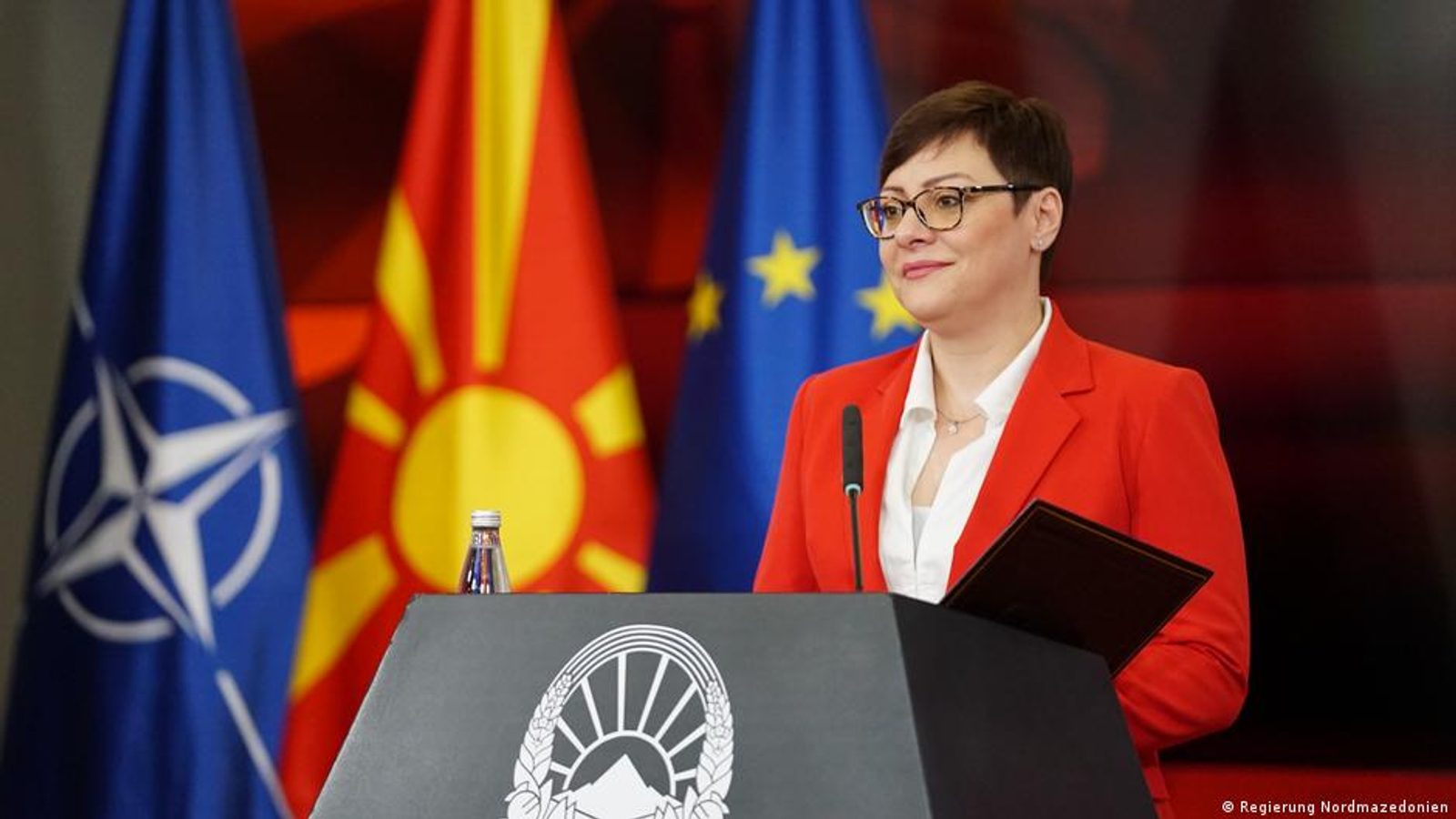
The economy of North Macedonia expanded by 4.3 percent in the second quarter of 2026, the State Statistical Office reported, a growth the finance minister attributed to stronger investment, rising exports and broader industrial activity.
"If we look at the full trajectory, from growth of 1.6 percent in the first quarter of 2024, today we are at 4.3 percent. Even more important is that the economy has recorded positive growth in ten consecutive quarters. We are not talking about growth in an isolated quarter, but about continuity of economic growth," Finance Minister Gordana Dimitrieska-Kochoska said, underlining that the expansion has a broad base across several sectors.
According to the minister, gross investment recorded a real increase of 16.5 percent in Q2, and exports of goods and services rose by 10.4 percent, gains she described as especially significant given only moderate activity in other parts of Europe. She also pointed to double-digit export growth and higher household spending as additional drivers.
Industry, construction and consumption pull growth
On the production side, construction surged by 21.9 percent, while manufacturing grew by 4.1 percent. Trade, transport and hospitality also expanded by 4.1 percent, and the information and communications sector rose by 4.3 percent. Final consumption climbed 2.8 percent, with household consumption up 3.3 percent.
The minister said inflation has slowed markedly this summer, from 4.8 percent in May to 3.4 percent in June and 2.3 percent in July, and that the 4.3 percent GDP rise places North Macedonia above the European Union average of 1.2 percent and the euro area average of 1 percent.
Prime Minister Hristijan Mickoski, answering a question about industrial production, welcomed the numbers as a sign of stabilization: "Industrial production in these conditions is an extremely important datum. It is especially encouraging that manufacturing is growing. These indicators show that after roughly two years we finally have a stabilized situation that we must continue to develop and improve," he said.
But the Social Democratic Union (SDSM) criticized the government for new borrowing. The party reacted to a decision to take on new debt of 1.3 billion euros and warned that public debt could rise by about four billion euros over two years.
"That is a huge borrowing that citizens, their children and future generations will pay for," SDSM said, and added that public debt could reach about 12 billion euros by the end of 2026 — or more than 65 percent of GDP. The opposition also demanded full transparency on all borrowings and detailed disclosures about public debt, arguing that GDP growth must be accompanied by sustainable public finances and improvements in living standards.
Photo: press material from the event