Erasmus+ 'Wonder Learning for Digital Natives' urges using tech to foster curiosity
Final conference in Skopje presented resources and methods to make technology foster curiosity, creativity and critical thinking.
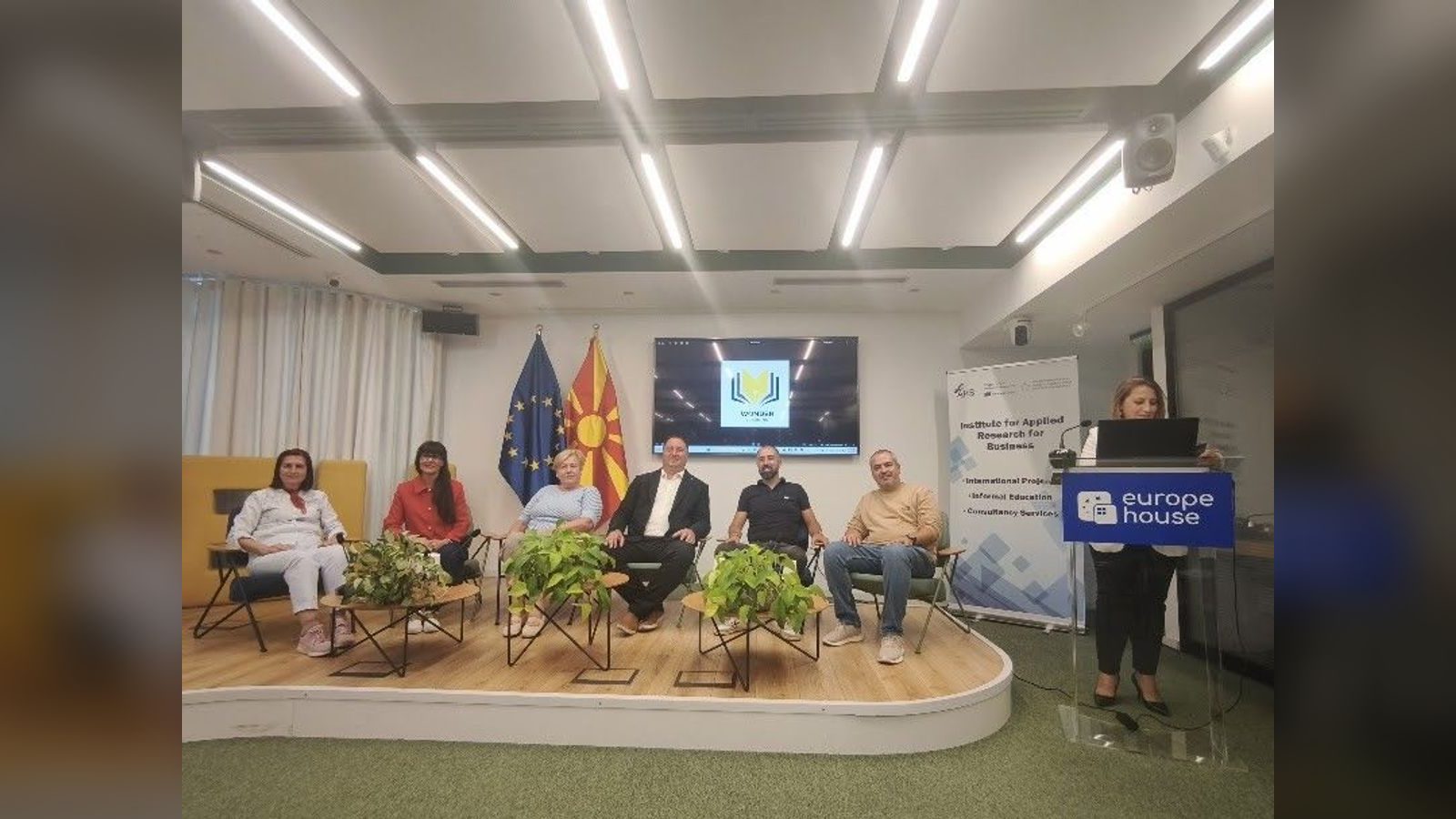
The Erasmus+ project "Wonder Learning for Digital Natives" held its final conference on 23 September 2026 at Europe House Skopje, gathering international partners, teachers and education professionals to discuss how digital tools and artificial intelligence are reshaping the classroom.
Organised by the Institute for Applied Research for Business as one of the project partners, the event focused on modern classroom design, digital competences and practical approaches that encourage pupils to experiment, create and think critically rather than simply consume ready-made answers.
Turning instant answers into opportunities for inquiry
A central participant was the National Agency for European Educational Programmes and Mobility. Ana Mihajlov, director of the Agency, warned against treating technology as an optional add‑on and said it must be integrated thoughtfully: "The question is not whether technology should be part of the classroom, but how we can make that transformation smart, inclusive, safe and humane."
Dr. Biljana Gjozinska, director of the Institute for Applied Research for Business, emphasised the changing role of education in the age of immediate access to information: "In a time when information is available in seconds, the task of education is not only to give children answers, but to preserve their desire to ask: Why? How? And what if...?"
Speakers and participants argued that the real challenge is not to distance the digital generation from technology, but to design learning environments that channel instant access into curiosity-driven learning. Practical classroom resources and teaching materials developed during the project were presented as tools to support that shift.
Although the Erasmus+ partnership has formally concluded, organisers said the project's impact should be measured by how these resources are used in everyday teaching and by the degree to which schools adopt methods that push pupils to investigate, create and reflect.
Photo: press material from the event