EU proposes phased membership, fewer vetoes and stricter post‑accession oversight
New Commission strategy proposes qualified‑majority steps, pre‑accession access to EU programmes and post‑entry rule‑of‑law oversight.
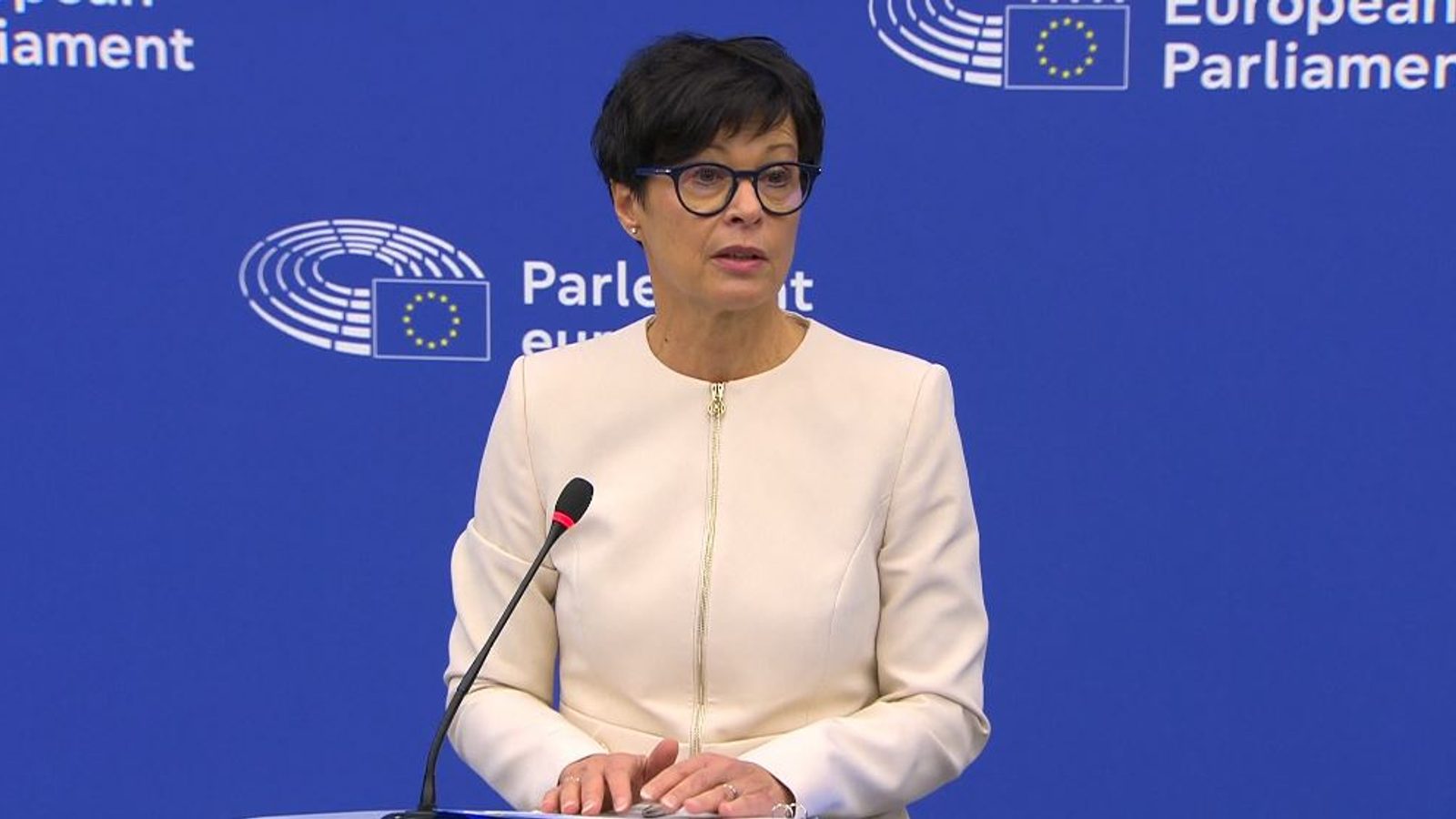
The European Commission has unveiled a new enlargement strategy that seeks to speed up and stabilise the accession of candidate countries while tightening oversight after they join. The document, presented on 7 October 2026 and titled "Preparations for a Wider Union", keeps the principle of merit-based progress but adds mechanisms designed to make enlargement more predictable and less vulnerable to bilateral blockades.
Fewer vetoes, phased access, and longer monitoring
Under the proposals, opening negotiating clusters and other intermediate steps in accession talks could be decided by qualified majority rather than unanimity, although final ratification of a new member would still require agreement from all EU states. The change aims to reduce the ability of single capitals to slow down enlargement over bilateral disputes unrelated to membership criteria.
Candidates would receive phased access to parts of the Single Market, EU programmes, agencies and financial instruments before full membership. Access would extend to transport, energy and digital networks and include broader observer-type participation in EU institutions. Every advance would remain conditional on concrete reform progress and could be suspended if a country backslides.
The Commission also proposes permanent post-accession monitoring of rule of law issues — judicial independence, anti-corruption efforts and media freedom — and links disbursement of EU funds more tightly to verified reform outcomes. Membership would require full participation in the European Public Prosecutor's Office from day one.
As an enforcement backstop, the strategy introduces new sanctions for democratic backsliding: suspension of certain rights, restricted participation in specific policies and, in extreme cases, temporary withdrawal of voting rights in the Council of the EU. These protective measures could remain in force for up to 15 years after accession.
Ukraine is singled out for special agricultural arrangements. Because of the size and productivity of its farming sector, the Commission suggests limiting access to subsidies and the EU market for sensitive products while supporting Ukraine's export recovery to third-country markets.
For the first time at scale, enlargement is framed explicitly as a security policy instrument: prospective members would have to fully align with the EU's external and security policy — including sanctions — and step up cooperation on defence, cyber-security, military mobility and countering hybrid threats. The Commission calls this a dual approach: earlier, conditional integration before accession, paired with stronger oversight and sanctions after accession to avoid repeating past mistakes.
Photo: press material from the event