EU unveils Arctic strategy: submarine cable to Greenland and expanded icebreaker fleet
New Brussels plan of 20 October 2026 proposes a Greenland submarine cable, a protection hub, expanded icebreaker fleet and satellite links.
The European Union on 20 October 2026 published a revised Arctic strategy that lays out plans for a submarine cable to Greenland, a larger fleet of icebreakers and stepped-up security and infrastructure measures across the High North. "We are investing in stronger security, resilient infrastructure and economic opportunities," European Commission President Ursula von der Leyen said when presenting the document on Tuesday.
Key elements of the new strategy
At the centre of the plan is construction of an Arctic submarine communications cable that would connect Greenland directly to the European continent. The cable is envisaged as part of a broader Arctic network that would also link Canada, Japan and South Korea.
The strategy foresees the creation of a monitoring and protection hub tasked with safeguarding undersea cables in the North Atlantic and Arctic and assisting with repairs. Over time the hub would also be used to track ships associated with the so‑called Russian "shadow fleet", detect illegal fishing and identify pollution events.
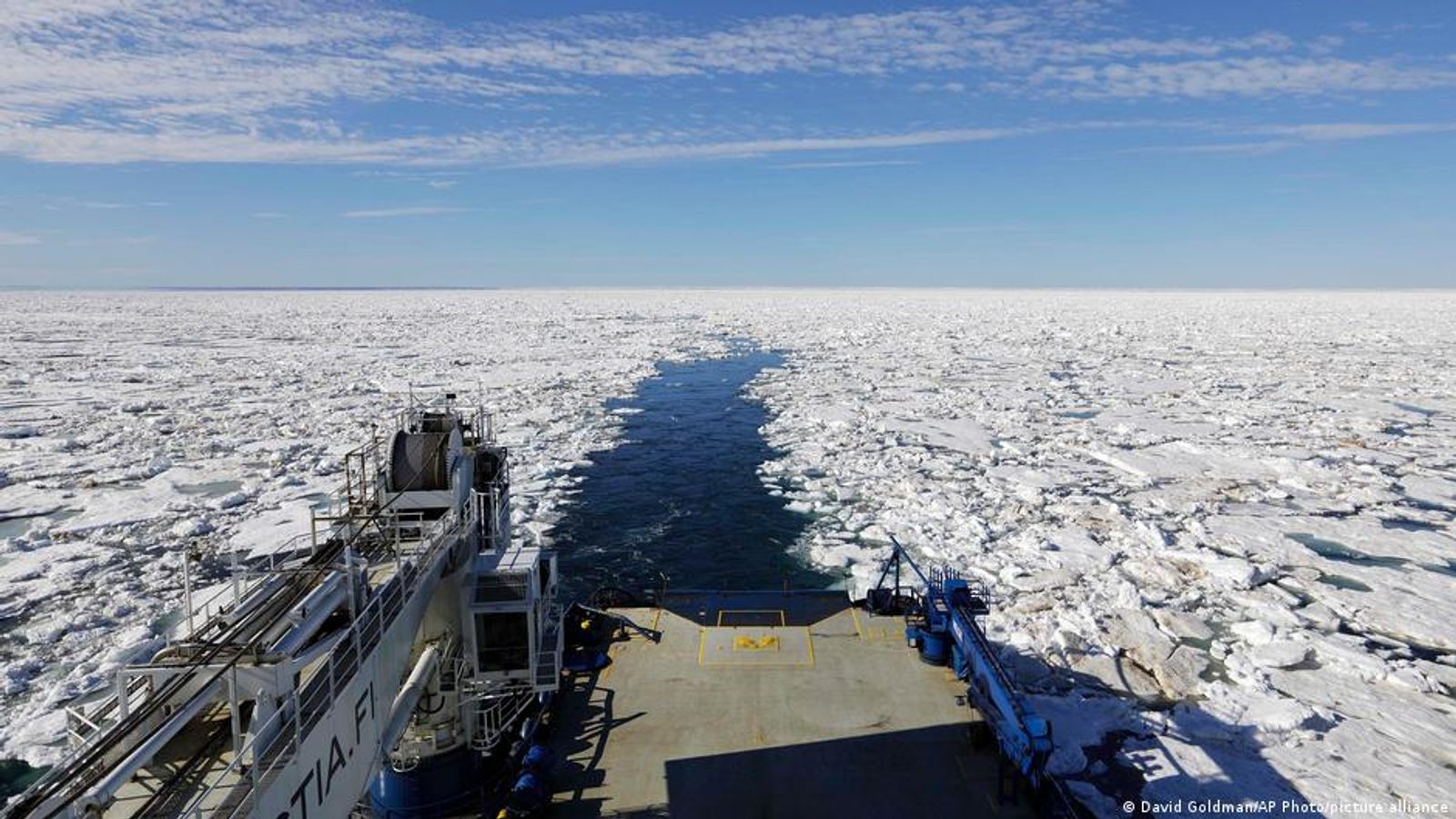
The Commission will also work to extend satellite coverage in the Arctic through the European satellite programme Iris and to expand the bloc's fleet of icebreakers, including options for joint procurement and shared use among member states.
Brussels notes that EU member states together currently operate roughly ten icebreakers, compared with about 40 specialised vessels in Russia. The document is presented as a revision of the EU's 2021 Arctic strategy.
European Commissioner for International Partnerships Josef Síkela said the strategy addresses "the most urgent challenges in the region – from accelerated climate change to growing security and geopolitical tensions." The paper also highlights that three EU countries are Arctic states—Denmark, Finland and Sweden—and that roughly half a million EU citizens live in the Arctic. The strategy comes amid increased activity by Russia, China and the United States in the region; former US president Donald Trump has on several occasions repeated alleged US claims on Greenland, a dispute that remains dormant but has added to a sense of urgency in Europe.
Photo: press material from the event