EU considers temporary use of Croatian for Montenegro if full translation falls behind
Commission prepares contingency plans as Podgorica struggles to finish translation of EU law before planned accession
On 03 October 2026 the European Commission is preparing contingency plans after officials signalled Montenegro may not finish translating the entire body of EU law before its planned accession. One option under review would allow Podgorica to use an existing EU official language temporarily — with Croatian emerging as the likeliest candidate.
Montenegro insists it has invested significant resources and remains committed to meeting the deadlines, but EU representatives say the Commission has started to draw up backup measures in case the full translation task cannot be completed in time.
Part of the concern stems from Croatia’s remarks about the quality of some translated texts and from a bilateral dispute between Zagreb and Podgorica that could slow progress. The scope of the work is vast: since Croatia joined in 2013, the quantity of EU legislation has almost doubled.
The accession negotiations impose clear obligations on candidate countries. The negotiation framework with the EU explicitly requires that Montenegro must "timely provide translations of legal documents prior to accession" and to train a sufficient number of translators and interpreters; EU institutions carry out only a final check. The Commission says it is in regular contact with Podgorica and is monitoring progress.
Options and sensitivities
Among the options the Commission is assessing is granting Montenegro a temporary allowance to use another EU official language until its own translations are complete. While the choice would formally rest with Podgorica, Croatian is seen as the most probable pick because it is the only EU official language Montenegrin speakers fully understand.
However, the move would be politically sensitive in Montenegro, where authorities have long pushed for international recognition of the Montenegrin language. Any decision to rely temporarily on another language could become a point of domestic contention as accession talks proceed.
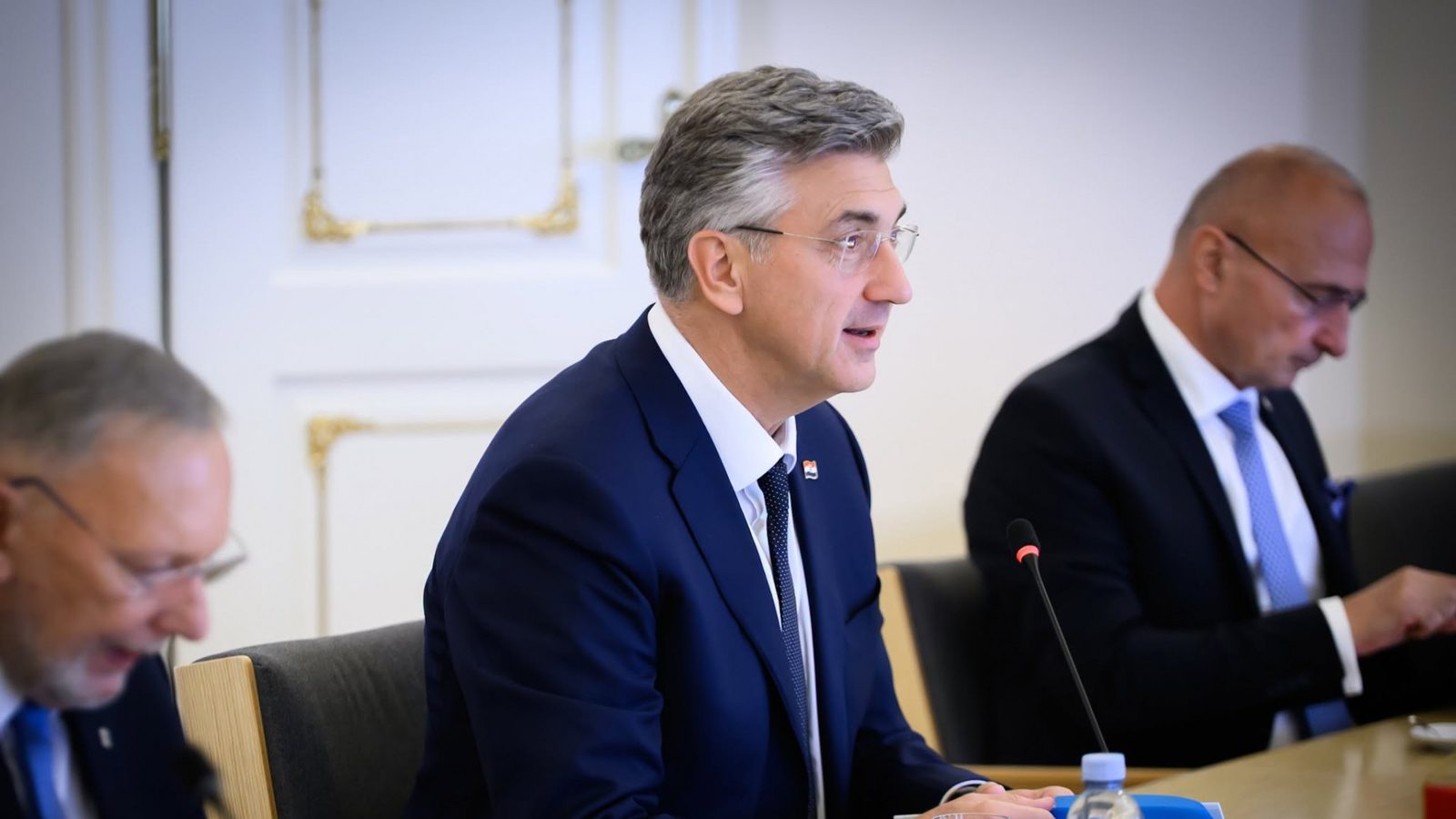
Photo: press material from the event