EU proposal on 'Made in the EU' for public procurement and what it means for North Macedonia
The March proposal would favour European-made goods in public procurement; Macedonia’s WTO GPA membership helps but does not guarantee equal treatment.
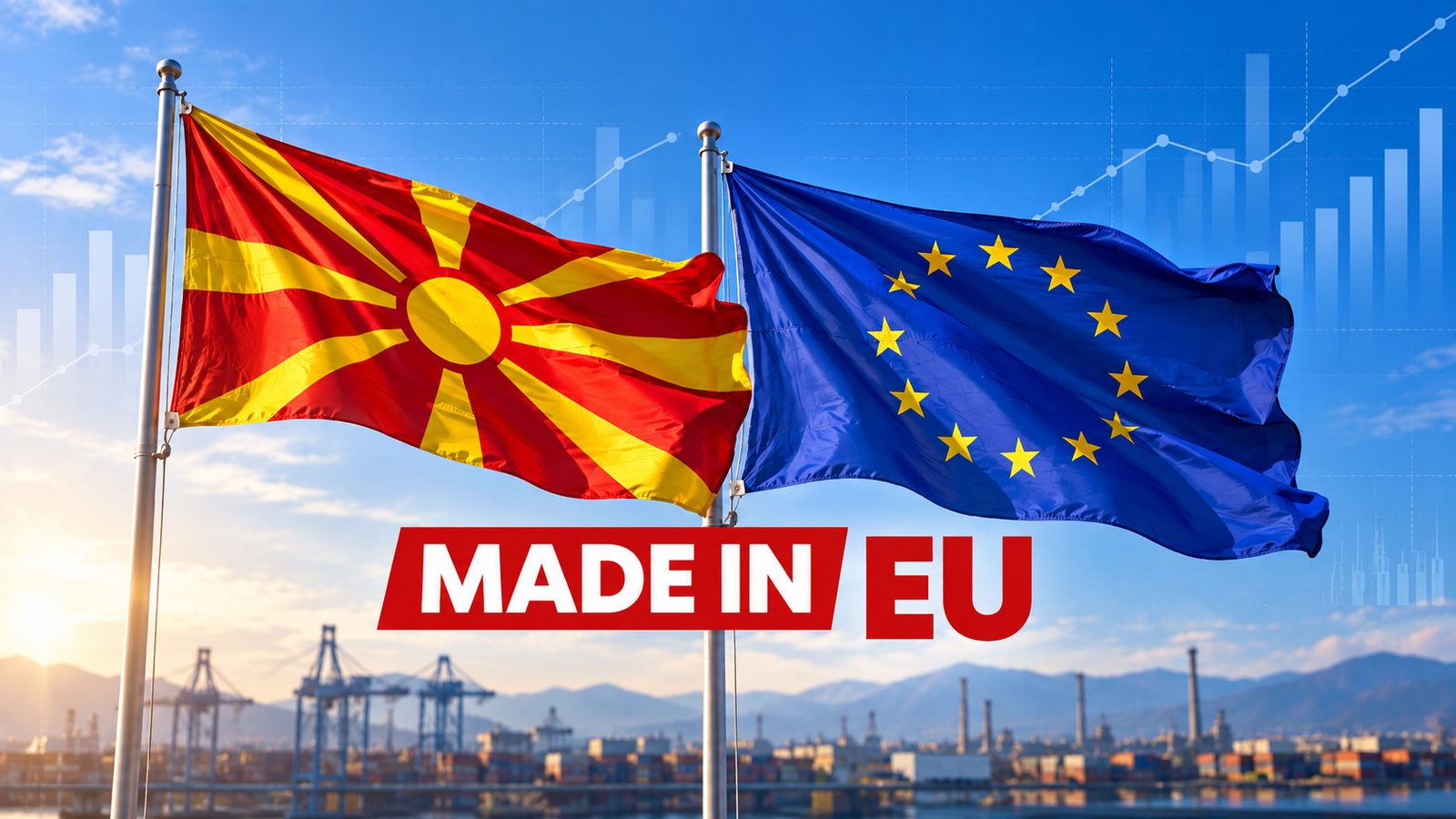
The European Union is preparing a new set of rules that would favour goods produced in Europe when public money and public procurement are used. The package — proposed by the European Commission in March as the Law on Accelerating Industry — targets strategic sectors such as steel, cement, aluminium, the automotive industry and clean energy technologies, and aims to raise manufacturing’s share of the EU economy from 14.3 percent in 2024 to 20 percent by 2035.
How the rules could affect North Macedonia
The draft has opened a split between Paris and Berlin: France wants a tighter approach that keeps a larger share of European public funds for European companies, factories and workers, while Germany advocates a broader model that would allow close trade partners with reciprocal market access to participate. Germany’s economy minister Katerina Rajhe gave Norway, Switzerland and Canada as examples.
North Macedonia, which is not an EU member, would not automatically qualify for the new "Made in the EU" label or preferential treatment. However, the Commission foresees an option to include partner countries in public procurement rules if those partners guarantee reciprocal access to their markets.
Macedonia holds one potential advantage: it became a member of the World Trade Organization’s Government Procurement Agreement (GPA) on 30 October 2023. That pact gives Macedonian companies access to covered procurement markets of other signatories, including the European Union. The WTO estimates the total market covered by the GPA at about 1.7 trillion dollars annually.
Still, membership of the GPA alone does not mean a product made in North Macedonia would be treated as "Made in the EU". The final outcomes will depend on how the EU institutions — the European Parliament and member states — negotiate the text and where they draw the boundary around the new regime.
Trade data underline why the debate matters for Macedonia: in the first seven months of the year the country exported goods worth 5.1 billion euros, up 8.4 percent year-on-year. EU countries accounted for 58.7 percent of Macedonia’s trade turnover, with Germany remaining one of its most important partners. Key export items include catalysts, vehicle cable sets and seat components — parts that plug Macedonian suppliers into larger European industrial chains.
If EU negotiators adopt a stricter "Made in the EU" regime, some non-EU companies could face greater obstacles to winning contracts or accessing programmes financed with European public funds. A broader German-style approach would leave more room for partner countries such as North Macedonia, provided they meet the conditions that the EU and its member states will ultimately set.
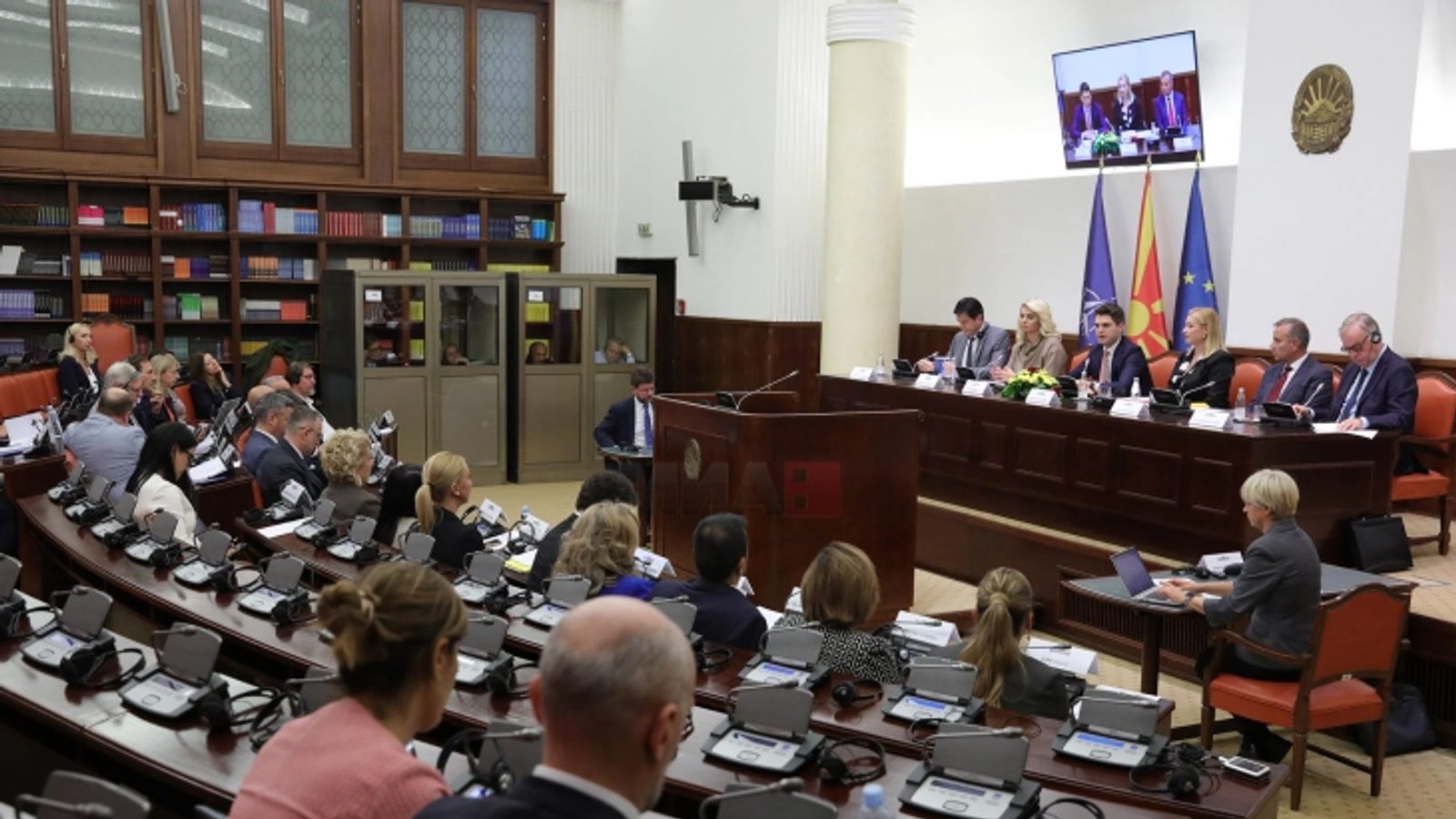
Photo: press material from the event