EU adopts tougher Arctic strategy amid great‑power tensions
Summit in Rovaniemi on 15 September 2026 focused on security, infrastructure and climate risks as the EU prepares a new Arctic strategy.
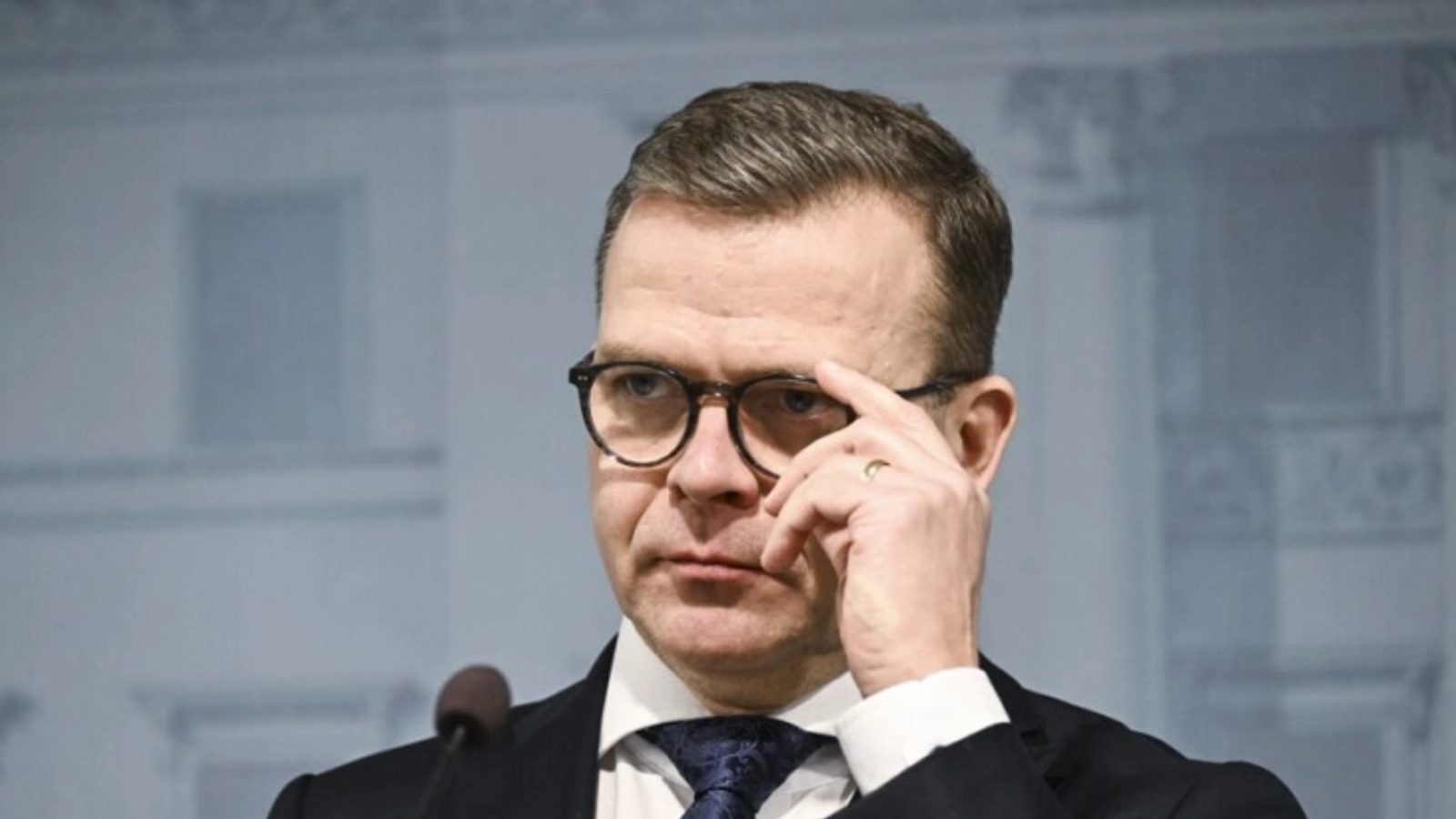
European leaders meeting in Rovaniemi on 15 September 2026 unveiled a renewed push to make the Arctic a strategic priority for the European Union, citing military build‑up, great‑power rivalry and accelerating ice melt as the main drivers. The summit, hosted by Finnish Prime Minister Petteri Orpo at the Arktikum museum, gathered twelve heads of state and government to discuss a new EU Arctic strategy.
The leaders pointed to a mix of security and economic pressures: threats from the US political sphere over Greenland, Russia's war in Ukraine and expanding Arctic military activity, growing Chinese interest in northern sea routes and critical raw materials, and the dramatic pace of climate change.
Host Petteri Orpo framed the debate in stark terms: "The Arctic has become the central arena of competition between the great powers." High Representative Kaja Kallas added a warning about regional trends: "We see that Russia is reactivating former Soviet military bases. In the far north it also conducts missile exercises. We also see that China is showing growing interest in the region, so we must remain vigilant."
Security, infrastructure and connectivity
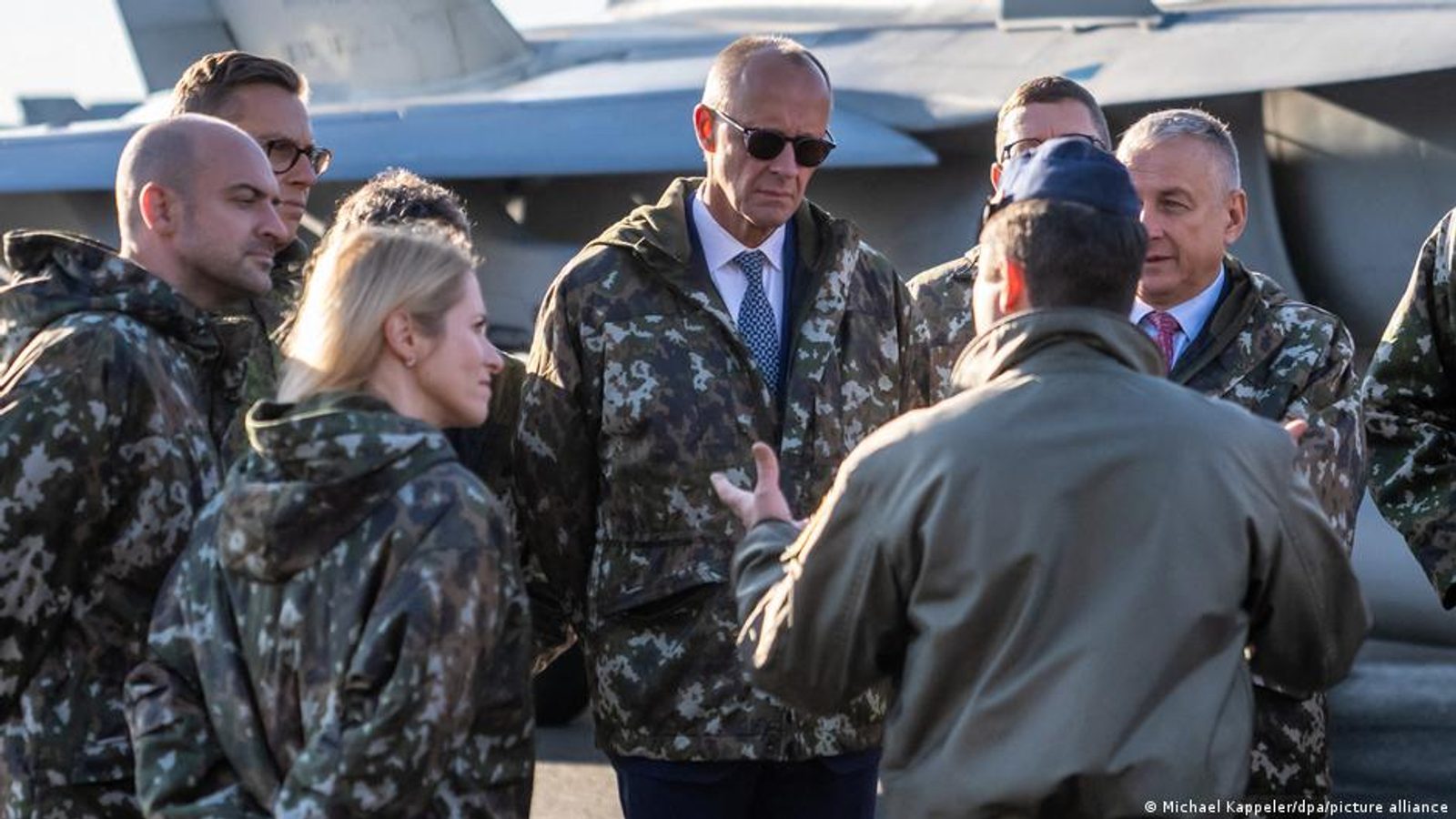
Security concerns were visible on the ground in Rovaniemi, where the local airbase staged demonstration flights while leaders observed the skies. German Chancellor Friedrich Merz said bluntly: "Russia is increasing its military capacities in the region and uses its presence daily for hybrid activities." The arrival of Finland and Sweden into NATO has also transformed the map: more than 1,300 kilometres of Finland's border with Russia is now a NATO frontier.
Experts at the summit stressed that the era of extensive cooperation with Moscow in Arctic science and climate work has been severely tested by the invasion of Ukraine. Timo Koivurova of the Arctic Centre at the University of Lapland warned that Russia remains focused on the war in Ukraine: "At the moment Russia is concentrated on the war in Ukraine and that conflict engages its military capacities," he said, adding: "I do not believe any expert would today call Russia a genuine Arctic military power. But when this war ends, and it will end one day, it is highly likely that Russia will once again invest heavily in the northern regions, because they are vital for its overall security."
The summit also highlighted fractures among Western partners. Proposals from former US President Donald Trump—ranging from suggesting Canada become a 51st US state to resurrecting the idea of buying Greenland—continue to reverberate and complicate joint policy among Arctic democracies. Longtime Arctic analyst Markku Heikkilä described the geopolitical split plainly: "The Arctic is breaking into three parts."
Climate change remained central to every discussion. Delegates noted scientific projections that the central Arctic Ocean could be largely free of summer ice by 2040 or 2050, opening new shipping lanes and shortening distances between major trade hubs. "New maritime routes are opening, and distances between key trading centres are shrinking significantly," Koivurova said. He also underlined the speed of regional warming: "Climate change in the Arctic is progressing four times faster than the global average. That is why almost everything that is being done in the region today is in some way connected to climate change."
The EU will move quickly: the European Commission plans to update its 2021 Arctic strategy in October. The summit's joint closing recommendations call for increased investment in military mobility, cross‑border links and critical infrastructure — specifically transport connections, digital networks and satellite technology — to bolster resilience in the High North.
Rovaniemi offered symbolic reminders of the region's other faces—from the Arktikum museum to the nearby year‑round Santa Claus Village—but leaders acknowledged that turning declarations into rapid results will be difficult. Participants left with an expanded list of priorities, but many of those measures will demand time, funding and sustained political will.
Photo: press material from the event