Europe's rivers run low from the Danube to the Rhine — drought halts shipping and strains nuclear plants
Record-low levels on the Danube and Rhine have stalled inland shipping and forced nuclear plants to change operations, while authorities scramble to manage water supplies.
Europe's main waterways have fallen to record low levels, choking cargo traffic and forcing adjustments at nuclear power stations that use river water for cooling.
The drought and prolonged heatwaves have pushed the Danube and the Rhine to historic lows, disrupting inland shipping routes across several countries and creating extra strain on regional energy systems.
Shipping slowed, reactors reconfigured
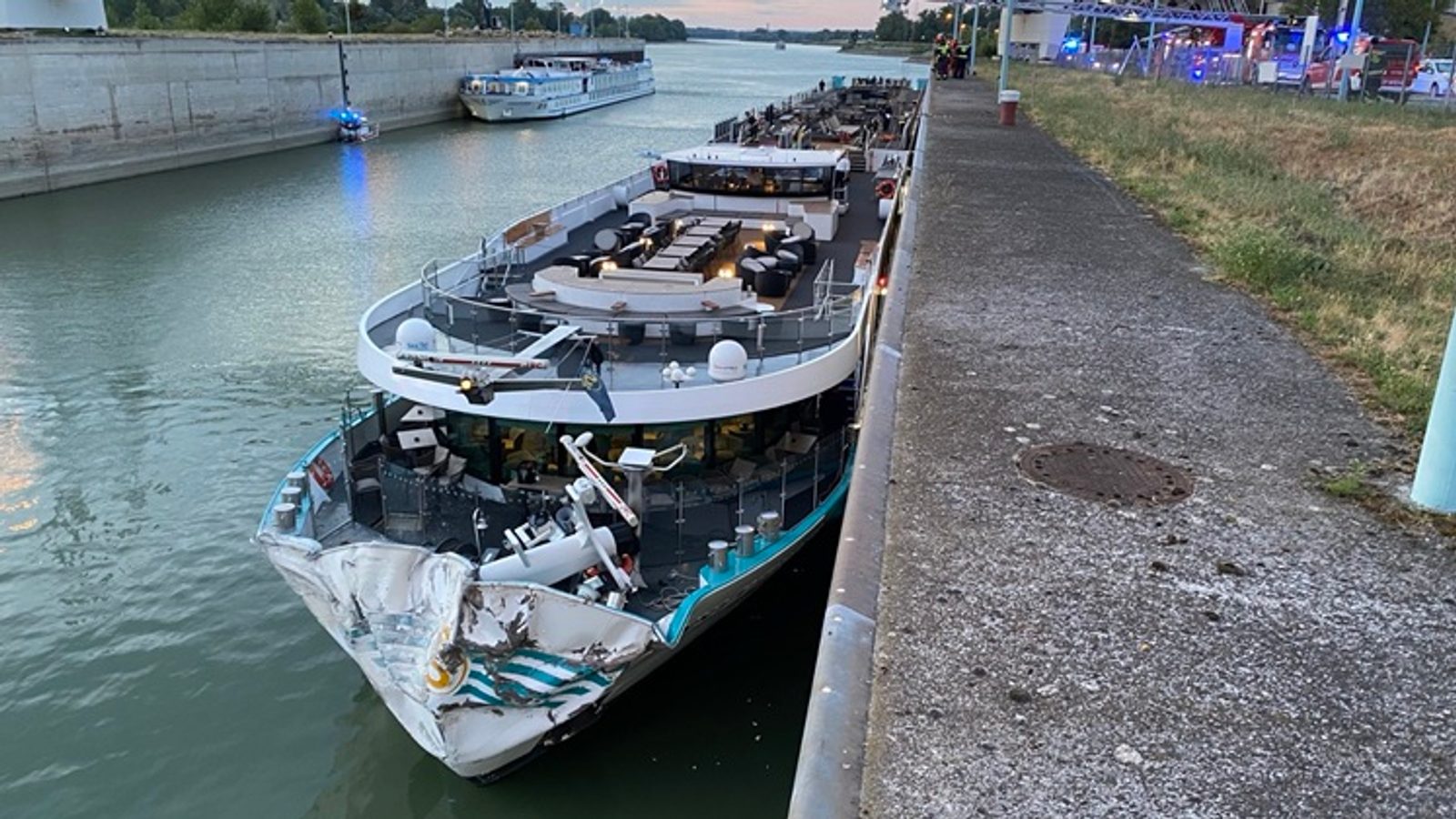
On the Danube, cargo ships and tugs are unable to operate at full capacity on long stretches, while some commercial navigation has come to a near standstill in parts of Hungary and Serbia. The tourist vessel "Viking Ulur" was recently grounded on the river and its passengers were evacuated with assistance from the Bulgarian border police.
The low water has directly affected nuclear stations that rely on river intakes for cooling. Hungary's Paks plant — which provides nearly half of the country's electricity output — has been operating under constrained conditions. Hungarian prime minister Péter Magyar warned the plant could be offline for more than a month if conditions deteriorate further, and said that if the Danube level fell from the then-record -133 cm to -134 cm the plant could for the first time in its 44-year history halt electricity production entirely.
In Romania, authorities carried out an unprecedented engineering operation to protect the Cernavoda nuclear plant. The Romanian army removed a rocky shoal called "Parjoai" using 180 kilograms of explosives, employing military divers and a series of underwater detonations to redirect a larger flow of the Danube toward the plant after earlier attempts had failed.
Water gauges on the Rhine have likewise reached alarming lows: near Cologne the river dropped to a historic minimum of 67 cm, and at Duisburg‑Ruhrort measurements fell to 153 cm. The Netherlands moved to a second-stage water shortage alert for the Rhine basin and deployed mobile pumps while authorities manage available reserves.
Across the UK, rivers and lakes have also shrunk. The Thames near Reading recorded its lowest water level on record, and roughly 23 million people in England and Wales face hosepipe bans. In the border region between France and Switzerland, Lake Brenet — which in previous years drew many visitors — has almost dried up.
At Bezdan, Danube measurements fell to -159 cm on 2 August and then to -162 cm the next day, establishing a new record low. Forecasts at the time called for the peak of a heatwave in Serbia between 5 and 8 August, a development officials warned could further depress river levels. The national emergency headquarters met to review hydrological and meteorological conditions and to plan mitigation steps.
Photo: Stadt Wien / Feuerwehr