European Commission opens investigation into Booking.com over scams and fake listings
Investigation under the Digital Services Act examines fake listings, phishing and whether paid ads are clearly marked on the platform.
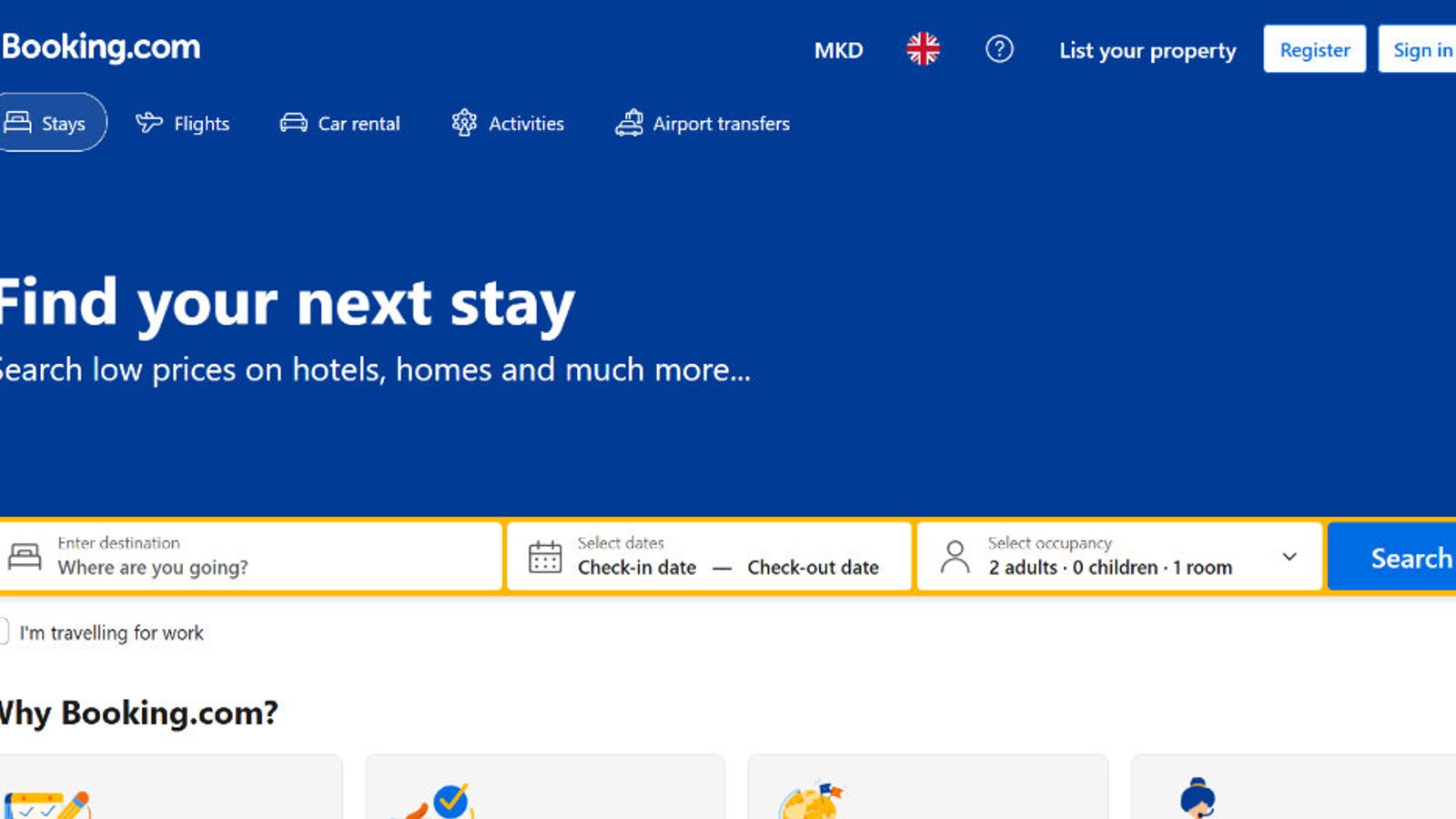
The European Commission has opened a formal investigation under the Digital Services Act to determine whether Booking.com is doing enough to prevent scams, phishing and fake accommodation listings on its platform.
Commission officials said the inquiry, launched this week, targets the platform — used by more than 45 million people in the European Union — and focuses on three main areas of concern.
Areas under scrutiny
The first strand examines whether the site fails to stop fraudulent property listings in which individuals impersonate owners and advertise accommodations they do not actually own.
The second strand looks at protections against phishing, SMS fraud and other social-engineering schemes. According to a Commission spokesperson, scammers are taking over hosts’ accounts and contact details, then messaging users to request additional payments. The Commission also suspects the platform may not adequately safeguard the data of users and business partners.
The third part of the probe addresses advertising transparency: whether paid listings are clearly distinguished from organic search results and whether the platform makes transparent which listings have paid for higher ranking.
Officials pointed to Booking.com's own admission in June 2024 of a rise in tourist scams between 500% and 900% over the preceding 18 months. As an example, more than 1,000 fraud cases were reported in the Netherlands in the first part of 2026, with losses totalling €82,000 — a tenfold increase over the previous year — and similar patterns have been reported across almost all member states.
While the Commission recognises that Booking.com carries out risk assessments based on internal and external reports, officials judged that current measures fall short of expected standards and that more robust anti-fraud systems are needed. The company is being urged to step up risk screening — including measures to prevent abuse of the booking system — to remove fake listings swiftly, verify licences and change how new property owners are accepted.
A Booking.com spokesperson said the company is fully cooperating with the European Commission and is constructively responding to all questions under the Digital Services Act, adding that "security, trust and the protection of personal data remain a top priority in the fight against cyber-crime and online fraud."
Photo: Buking/printskrin)