European Commission proposes limiting veto in parts of EU accession talks
Commission recommends qualified‑majority voting for many steps, a five‑step accession framework and roadmaps for four priority candidates.
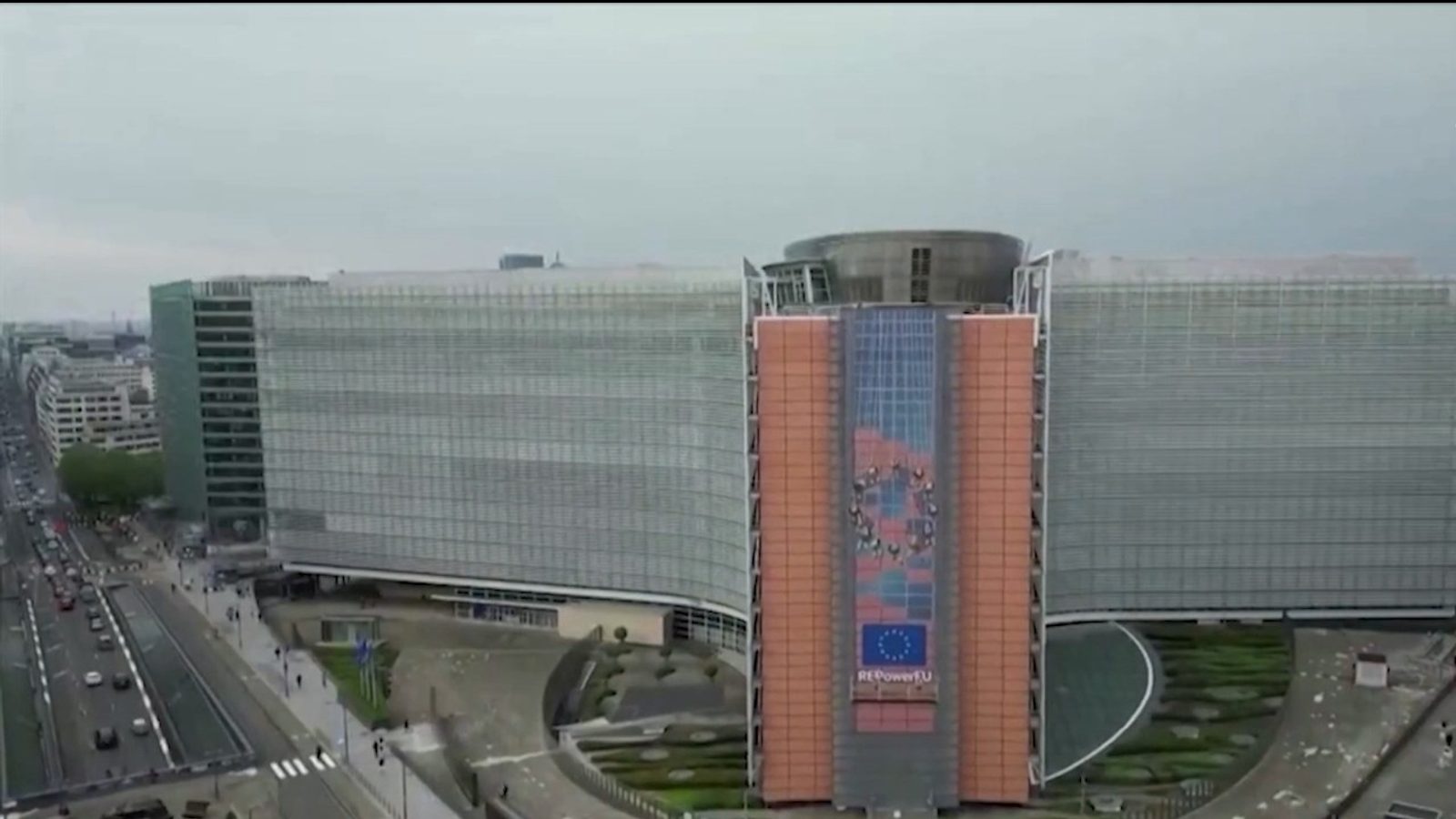
The European Commission has proposed that the Council of the European Union limit the use of a single-member veto in parts of accession negotiations and use qualified‑majority voting for a range of decisions, the Commission’s new Communication on enlargement says. Commissioner Marta Kos presented the 25‑page document under the title "Preparing for a Wider Union" and framed the change as a way to make a larger EU more effective.
Five-step approach and temporary measures
The Communication sets out five broad elements: practical solutions on governance, rule of law and EU policies; gradual integration before full membership; a common framework with safeguard mechanisms; adaptation of EU policies to incoming members; and specific roadmaps for four priority candidates. The Commission recommends that the Council agree to apply qualified‑majority voting in many of these areas, while keeping the veto as a last resort at the very end of the accession process.
"We can use 'passerelle' (transitional) provisions for qualified majority. It is possible to reduce the areas where a single country casts a veto on joint decisions. For example, on sanctions, tax changes or on the steps between opening and closing accession talks," Marta Kos said, describing mechanisms that would allow the Council to move away from unanimity in defined circumstances. The Communication itself is 25 pages long and explicitly recommends giving the Council a mandate to apply qualified‑majority rules in those stages.
The Commission stresses, however, that the formal act of accession would still require a unanimous decision by the Council, following consultation with the Commission and with the consent of the European Parliament, plus the ratification of the accession treaty by all contracting parties according to their constitutional requirements.
On bilateral disputes the Communication proposes that issues not related to accession criteria be solved through appropriate bilateral or international mechanisms; the obligation to seek such resolution would be written into a declaration annexed to the accession treaty. The paper also envisages a limited period during which new members would commit not to block EU decisions on future enlargements or on bilateral matters.
Kos said the EU has not forgotten the Western Balkans and presented the roadmaps for Montenegro, Albania, Ukraine and Moldova as the first package of candidates to receive concrete guidance. "For years we have heard that the European Union has forgotten the Western Balkans. Two of the leading countries are from the Western Balkans. And I spoke about the roadmaps. They actually apply to everyone. But they make sense only for those who are so advanced and need a roadmap. I would compare this to a car: if the car does not run, it makes no sense to push it backwards — if the engine does not work. And the engine will work only with fuel, and the fuel is the reforms in the country," she said.
The Commission will publish the roadmaps for the four priority candidates together with its annual progress reports on 29 October. The Communication is due to be discussed at the European Council meeting on 15 October. North Macedonia is not among the four countries named for the immediate roadmaps.
Photo: press material from the event