Euro redesign advances — what will happen to existing banknotes?
Ten design proposals under two themes were presented; public survey attracted about nine million participants and the final design should be chosen by the end of 2026.
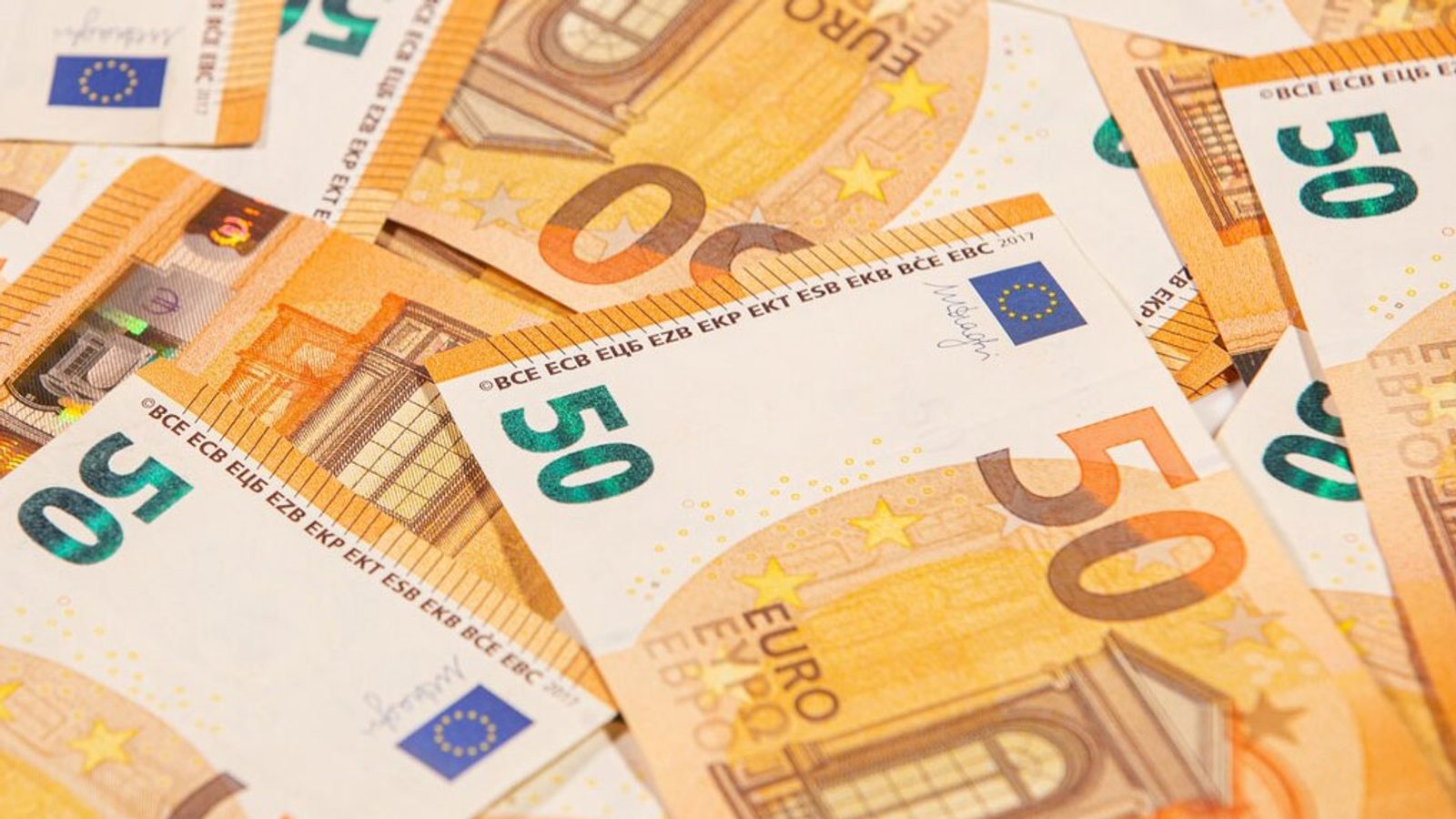
The European Central Bank has moved into a decisive phase of redesigning euro banknotes, a project that will give the common currency a refreshed visual identity but will be rolled out slowly over several years.
Two themes, ten proposals and a large public consultation
The ECB presented ten candidate designs grouped around two main concepts: "European culture" and "Rivers and birds." The first theme proposes portraits of notable figures from European science, music, literature, art and society, while the second centres on natural motifs — rivers, birds and ecosystems — combined with visual references to European institutions.
Citizens were invited to express their views in an online survey that closed on 21 September; participation was high, with about nine million people taking part. The public’s feedback will join expert jury assessments, technical feasibility studies and the Executive Board’s review when the final design is chosen.
Choosing the winner is only one step: technical development, testing of security features, adaptation for daily use and mass production will follow. For that reason, a gap of several years is expected between the selection of the design and the moment new notes appear in wallets and ATMs. The ECB aims to have a final design by the end of 2026.
Existing euro banknotes will not be withdrawn automatically once a new design is selected and they will retain their value. Citizens therefore do not need to exchange current cash simply because of the redesign. The new series must, however, meet practical requirements: durability in everyday use, recognisability in ATMs, cash-counting machines and vending devices, and improved anti-counterfeiting solutions.
The planned denominations will remain 5, 10, 20, 50, 100 and 200 euros; the 500-euro note, whose issuance was halted several years ago, is not planned for the new series. Accessibility for people with impaired vision is a specific priority and will be addressed through visual and tactile elements.
Photo: press material from the event