Filipche takes down Mickoski with four questions: Was there an epidemic in Gostivar? There was not. Was there poisoning? There was not
At a briefing with journalists, the SDSM leader rejected the prime minister's accusations and warned that hepatitis follows contaminated water — "this is taught in secondary medical school, it is not taught at university".
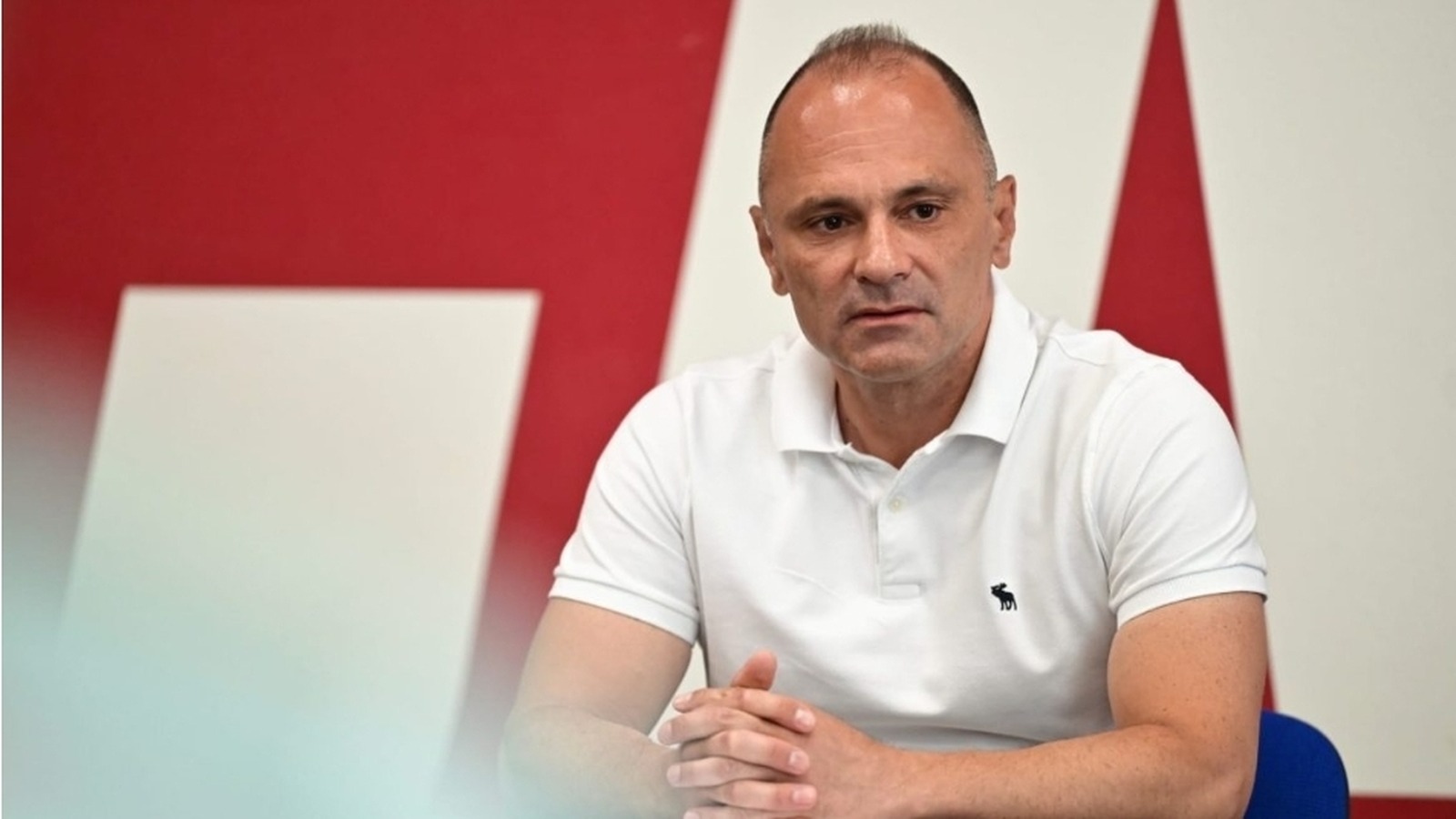
SDSM leader Venko Filipche on Thursday dismissed the accusations made by Prime Minister Hristijan Mickoski and, drawing on his own record as health minister, turned the argument back on him: during his term at the Ministry of Health there was neither water poisoning nor an epidemic — not in Gostivar, and not in any hospital in the country.
Photo: SDSM
"In my time there was no poisoning, and there was no epidemic in the hospital either. Was there an epidemic in Gostivar? There was not. Was there poisoning? There was not. Yesterday Mickoski was waving something around, some document, but apart from waving the prosecution around, he does nothing else," Filipche said at a briefing with journalists.
With those four short questions and four even shorter answers, the SDSM leader exposed the whole construction of the government's defence: instead of offering a solution for the contaminated water and for the sick people in Gostivar, the prime minister pulls out documents in front of the cameras and invokes the prosecution. Filipche, a neurosurgeon by profession and the man who led the health service through the hardest pandemic in the country's modern history, moved the debate from a political quarrel onto ground where the government has no answers — the ground of facts, figures and medical logic.
"Every reaction comes too late"
The sharpest part of his address concerned the pace at which institutions are reacting while the epidemic in Gostivar is already gathering full force.
"The water in Gostivar is an indicator that every reaction comes too late. Only today is the Ministry of Health issuing some sort of recommendations for early detection and identification of symptoms, for detecting patients, when the epidemic already has very strong momentum. Now the recommendations from the Commission for Infectious Diseases are arriving," Filipche stressed.
This is the key point the government has no way of disputing: recommendations for the early detection of symptoms make sense before and at the start of an epidemic, not after it. When a document is issued once hundreds of people have already fallen ill, it stops being prevention and becomes an alibi. That is precisely where Filipche locates the difference between governing and improvising.
The hepatitis warning nobody listened to
Two weeks ago, when the government was still playing the crisis down, Filipche publicly warned what the next stage of this scenario would be. On Thursday he repeated it, this time in harsher terms.
"Two weeks ago I warned that the next thing that could appear is hepatitis. This is improvisation of the most unserious kind and a reaction that comes too late. There is not even an answer as to what preventive measures are being taken for what may yet appear as a result, as a complication of the current situation. If the water is like that, next come dirty hands, dirty water, and next comes hepatitis. This is known. This is taught in secondary medical school, it is not taught at university," the SDSM leader said.
The final sentence is the politically heaviest one. Filipche is not claiming that the government missed some supreme expert assessment — he is saying it missed knowledge taught in secondary medical school. Coming from a doctor who spent years operating in the most complex surgical field and who ran a portfolio in which every delay is measured in human lives, that is not a rhetorical flourish but a diagnosis of the way this government runs the country.
The question left unanswered
One question was left hanging over the entire briefing, and the government has still not answered it: what preventive measures are being taken for the complications that may yet emerge among people who drank contaminated water. Instead, the government sends out documents, accusations and references to the prosecution — while Gostivar sends out patients.
Filipche made his point without shouting and without spectacle: in his time there was neither poisoning nor an epidemic, and today there is both. The difference, as this briefing shows, is not about who waves documents more skilfully in front of the cameras, but about who actually knows the subject.