Turkish guest workers 65 years on: many retirees in Germany face poverty risk
Sixty‑five years after the 1961 recruitment agreement, pension and social‑assistance data show people of Turkish citizenship are disproportionately affected.
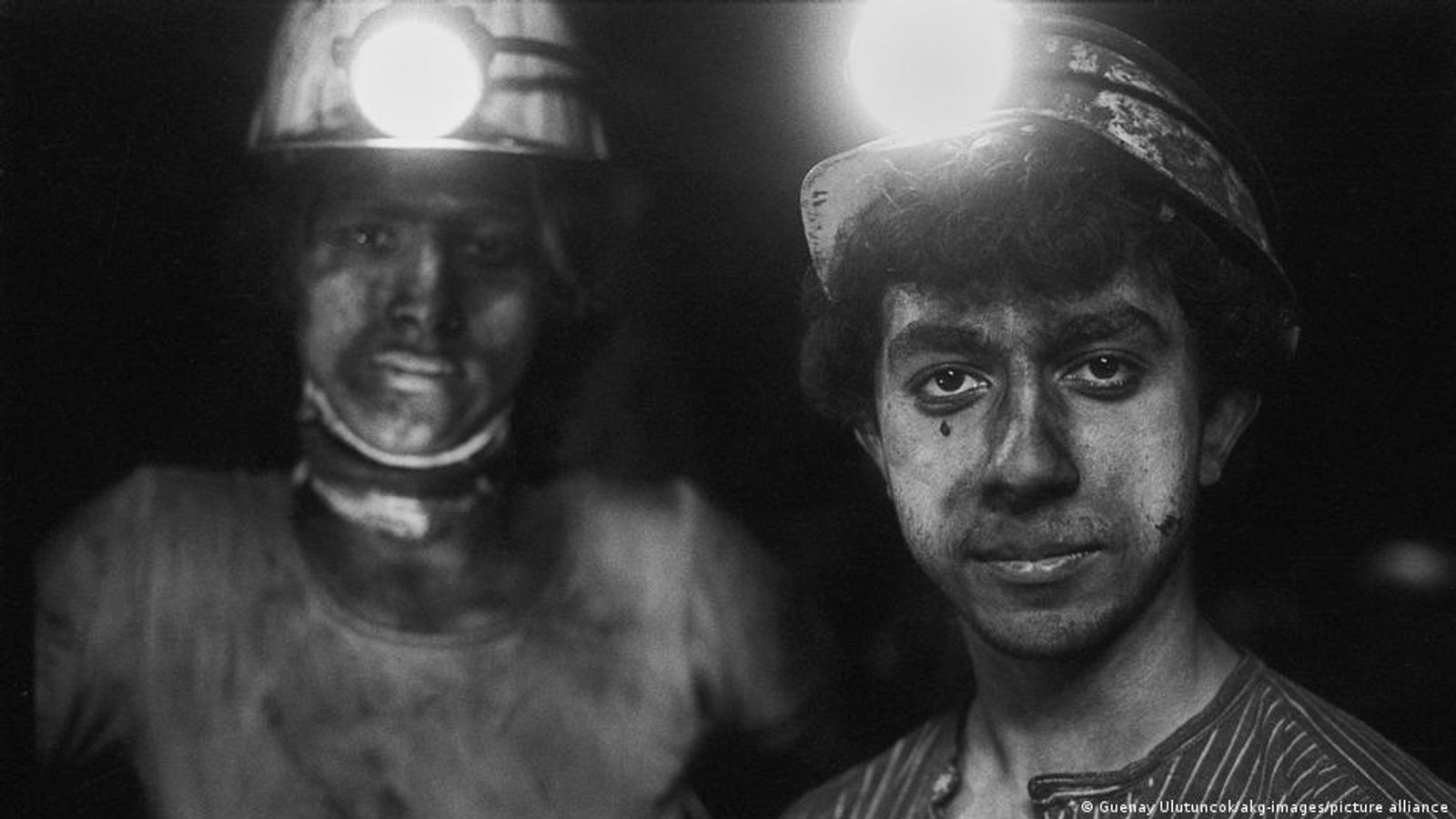
On 30 October 1961 West Germany and Turkey signed an agreement to recruit temporary labour. Over the following dozen years roughly 870,000 Turkish men and women came to work in mines, factories and construction sites; most stayed and built new lives, but the economic gains for the country were not shared evenly.
At a recent commemorative event held at Düsseldorf airport — the same arrival point for many of the first arrivals — North Rhine‑Westphalia premier Hendrik Wüst thanked the guest workers of the first generation for the contribution they made to the Federal Republic. "You made our country more diverse, more open and stronger," he said, adding that "only when a person's name, skin colour and religion no longer matter will we have achieved that goal."
Unequal outcomes in old age
Nevertheless, academic and social‑policy research highlights a darker legacy for many of those who came as guest workers: an elevated risk of poverty in retirement. Haji‑Halil Uslucan, whose family migrated to Berlin in the early 1970s and who is today a professor of modern Turkish studies, says research points to stark differences.
"Research shows that poverty among migrant pensioners is twice as high, between 25 and 30 percent, compared with 12 to 14 percent among Germans. The rate of disability and early retirement among migrants is significantly higher, because the first generation mostly worked very strenuous physical jobs," Uslucan says. "In many fields we have made progress, for example in education. Today we have a large number of university graduates of Turkish background, we have professional advancement. We also have political progress, for example the prime minister of Baden‑Württemberg, Cem Özdemir."
Analysis by the German pension insurance shows one concrete consequence: on average pension payments to people with Turkish citizenship were €360 lower than for German pensioners. At the end of 2025 the typical pension for those with Turkish citizenship was €890 per month versus €1,250 for Germans. Equally worrying, in June 2026 the share of people with Turkish citizenship receiving basic social assistance for pensioners was 9.3 percent — more than three times the 2.7 percent rate among Germans.
Experts point to several structural causes: many guest workers arrived older and therefore paid pension contributions for fewer years; they were disproportionately employed in low‑paid, physically demanding work; and industrial restructuring in the 1970s and the oil crisis led to career interruptions. "If you reach retirement age and you are poor, the basic life plan has failed," Uslucan says.
Janina Zinn of the Socio‑Scientific Research Institute in Göttingen (SOFI) warns that the problem is acute for single older migrants and for women. She notes that additional earning options are limited for many retirees because of low qualifications or health problems caused by years of hard labour. Federal Employment Agency data also show lower employment rates: 5.2 percent for this group versus 10.8 percent among Germans, a gap that feeds into lower pensions and greater dependence on social assistance.
The story of the guest workers remains a mixed legacy: they helped build modern Germany and advanced in many areas, yet a significant share now enters old age with precarious incomes and higher social‑care needs.
Photo: press material from the event