Generation Z protests spread across Europe over housing and education
Students and young people in several EU countries are mobilizing over education, rent and jobs, turning local triggers into a wider movement.
Youth-led demonstrations have spread across multiple European capitals this autumn as Generation Z protesters mobilize around education, housing and labor prospects, turning localized grievances into a continent-wide wave of unrest.
Incidents that sparked fresh mobilizations vary by country: in Spain a new round of protests followed the eviction of 87-year-old Maricarmen Abascal from her home; in France students rallied in support of striking teachers; and in Albania months-long student actions, initially triggered by plans for a luxury development backed by Jared Kushner, have frequently escalated into street confrontations.
Student unions and youth groups are sharing tactics and rhetoric across borders. Alice de Brito, vice-president of France’s largest student union UNEF, said: "I see far more similarities than differences." She added: "We all talk about the need to invest in education, universities and young people more generally. But we also talk about the cost of living and housing."
From classrooms to broader political challenges
On the streets, demands have widened beyond school repairs and teacher recruitment. "Let our voice be heard, to fight for schools that won't collapse on our heads, for safe and dignified work, public health and social justice," declared Sabrina Bricola, leader of the Italian student union, at a rally last weekend.
Analysts see a larger political frustration behind the protests. Julius Fintelman, co‑founder and editor of the European Correspondent newsletter, said the unrest reflects "a kind of frustration, a sense that European politics fails to meet the expectations of a new generation," pointing to insecure labor markets, the disruptive impact of artificial intelligence on startups and the pressures of the climate crisis.
Economic constraints make policy responses harder. Countries hardest hit by recent youth unrest — Greece, Italy, France, Belgium, Spain and Portugal — share heavy public debt burdens that limit room for expanded public spending. For example, French government bond yields climbed to their highest level since 2002 on Wednesday, putting further strain on the state budget.
Housing has become a cross‑border flashpoint. Students in Rome's protest camp said affordable housing was inseparable from quality education; one participant, Elisa Pastore, said she and her brother "can barely" afford the rent for the room they share in the Italian capital and that she once commuted 120 kilometres daily to save money during the early years of her studies.
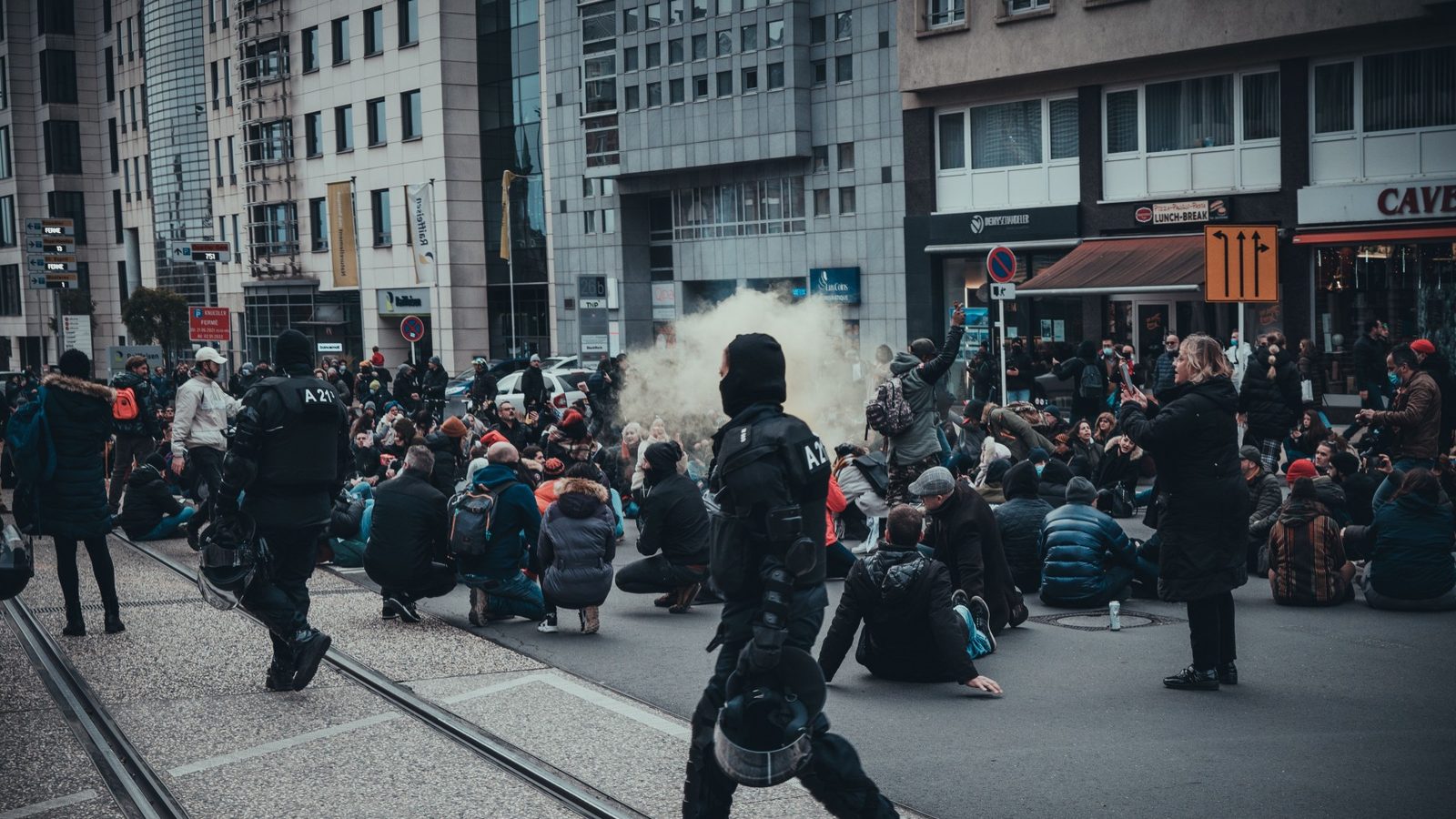
Other groups have joined demonstrations. In Portugal thousands have gathered nightly this week on Lisbon's Rossio square, some erecting tents; authorities arrested 55 people early on Tuesday, an action that triggered fresh protests. Demonstrators carried flags with the slogan "Casas para morar" — "Homes to live in" — demanding rent controls and withdrawal of a law they say would ease tenant evictions.
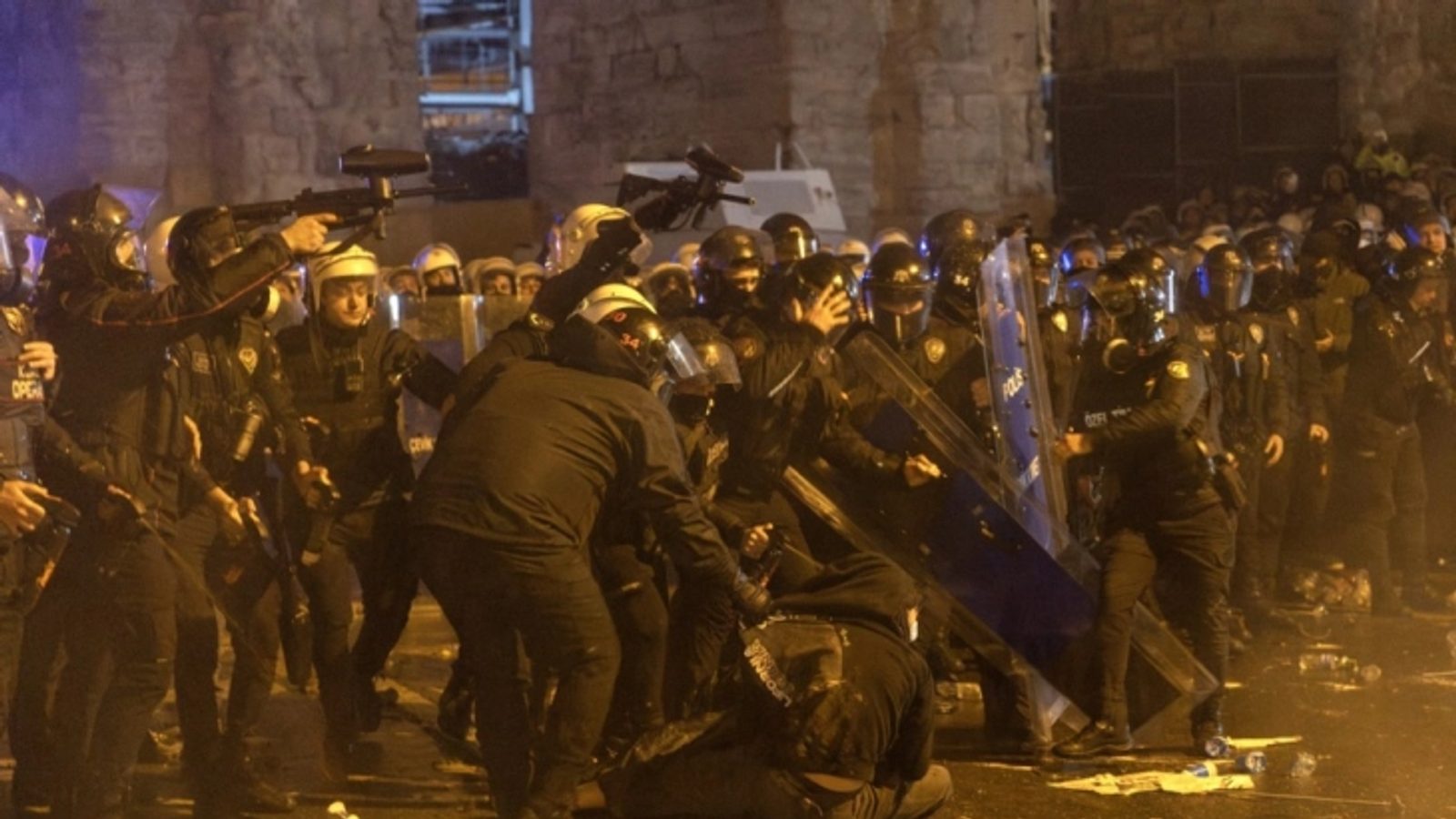
In parts of the Western Balkans, protests that began with student demands have morphed into broader anti‑government movements. In Albania, where clashes turned violent last week, Prime Minister Edi Rama rejected calls to resign and accused protesters of threatening the country's EU accession plans while blaming political opponents for unrest. One demonstrator told reporters: "We want change, that's why we're here." Another declared: "We want revolution, we want a new government. We're not asking for negotiations, we need a new government as soon as possible."
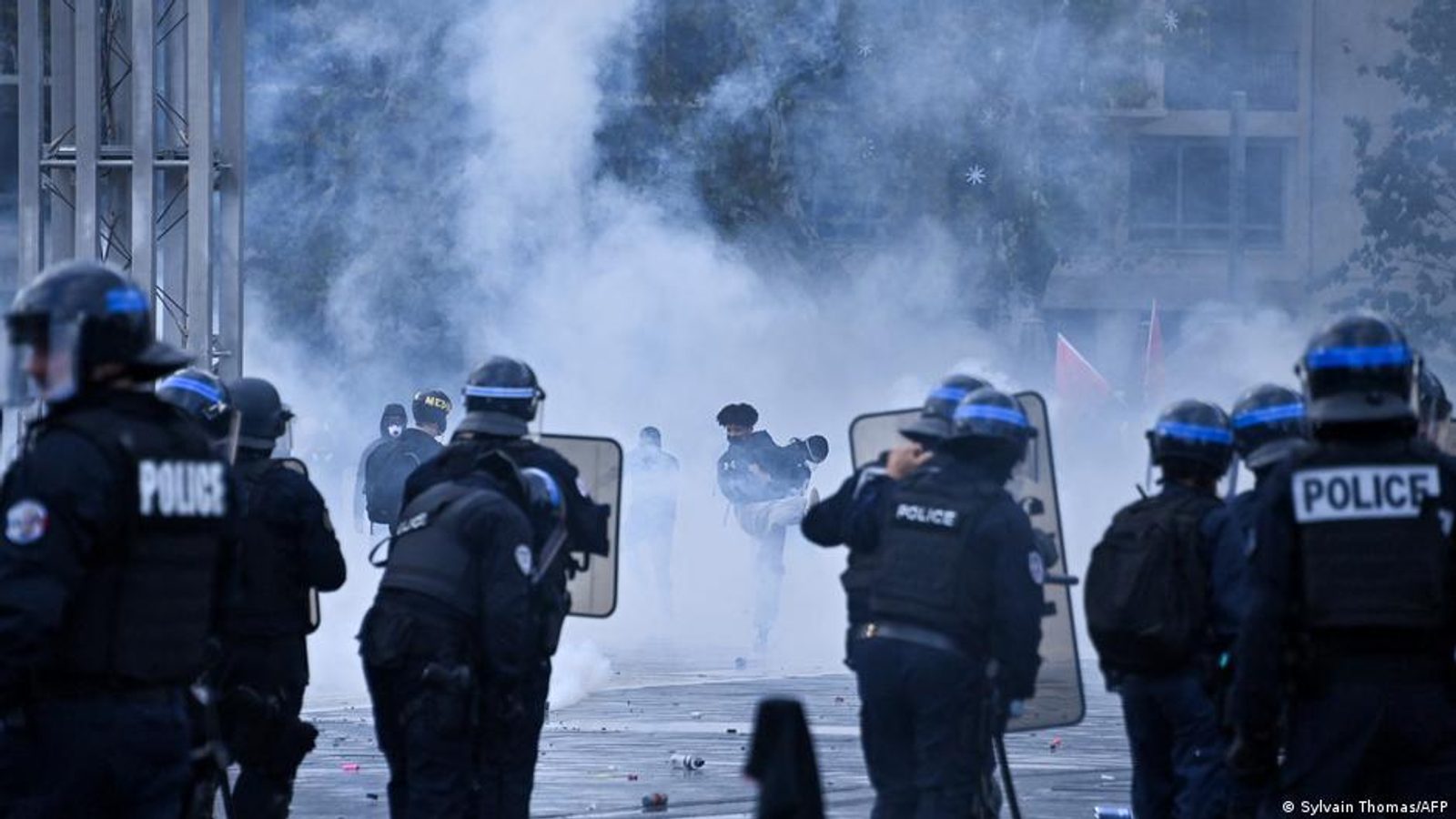
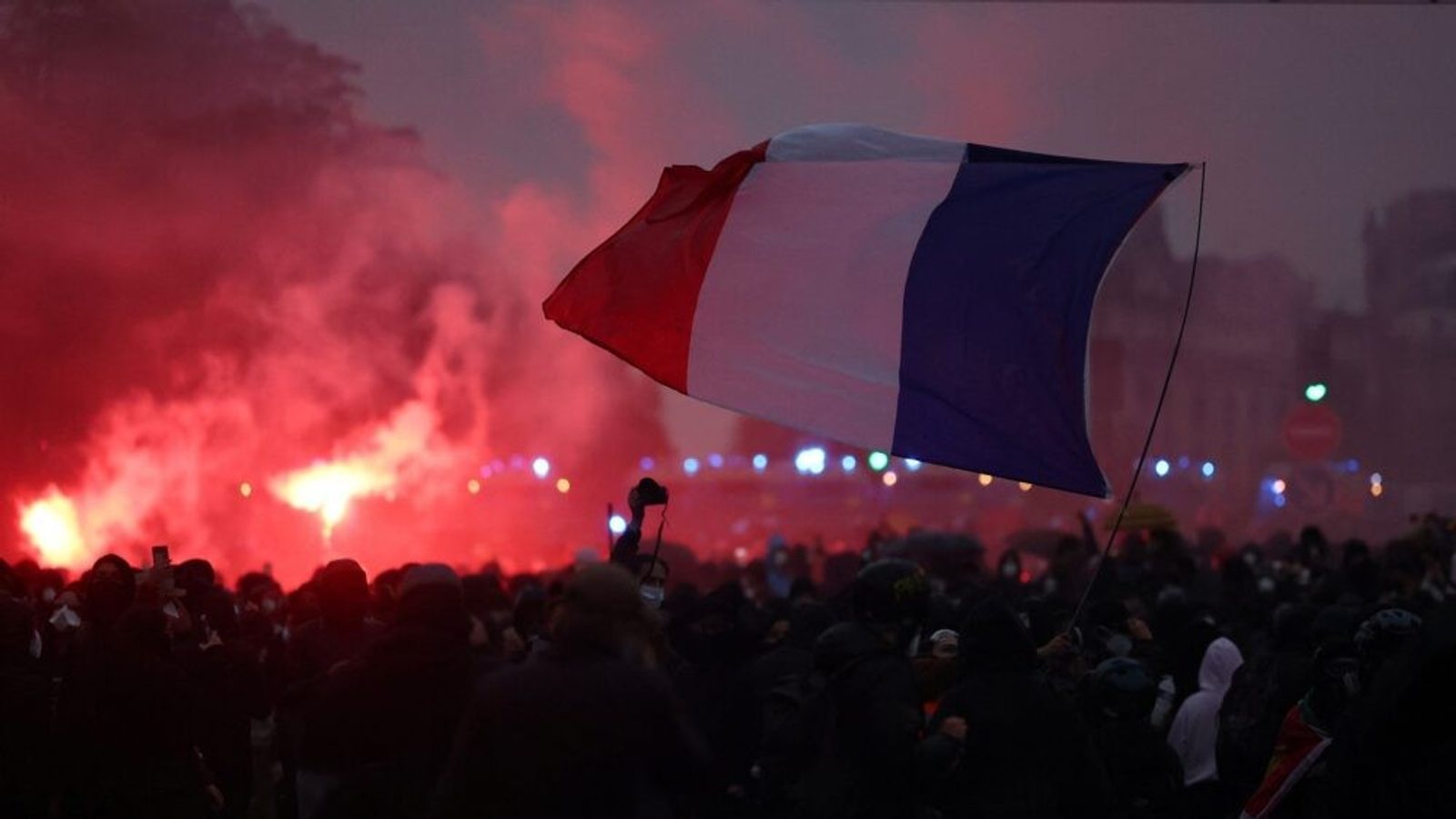
The unrest continues to evolve: on Saturday another wave of demonstrations swept French cities — Paris, Marseille, Lyon, Lille, Orléans and Bordeaux — with UNEF organizing marches joined by CGT union members, farmers, climate activists and participants linked to the "Yellow Vest" movement that erupted during the 2018 fuel protests. Governments across Europe have spent much of the week trying to prevent a repeat of violent escalations while facing a generation that says it is simply tired of waiting for answers.
Photo: press material from the event