Germany plans 99 new data centres; a quarter are in water‑stressed regions
A survey of 99 planned sites shows rapid growth in scale and a significant share located where water is scarce.
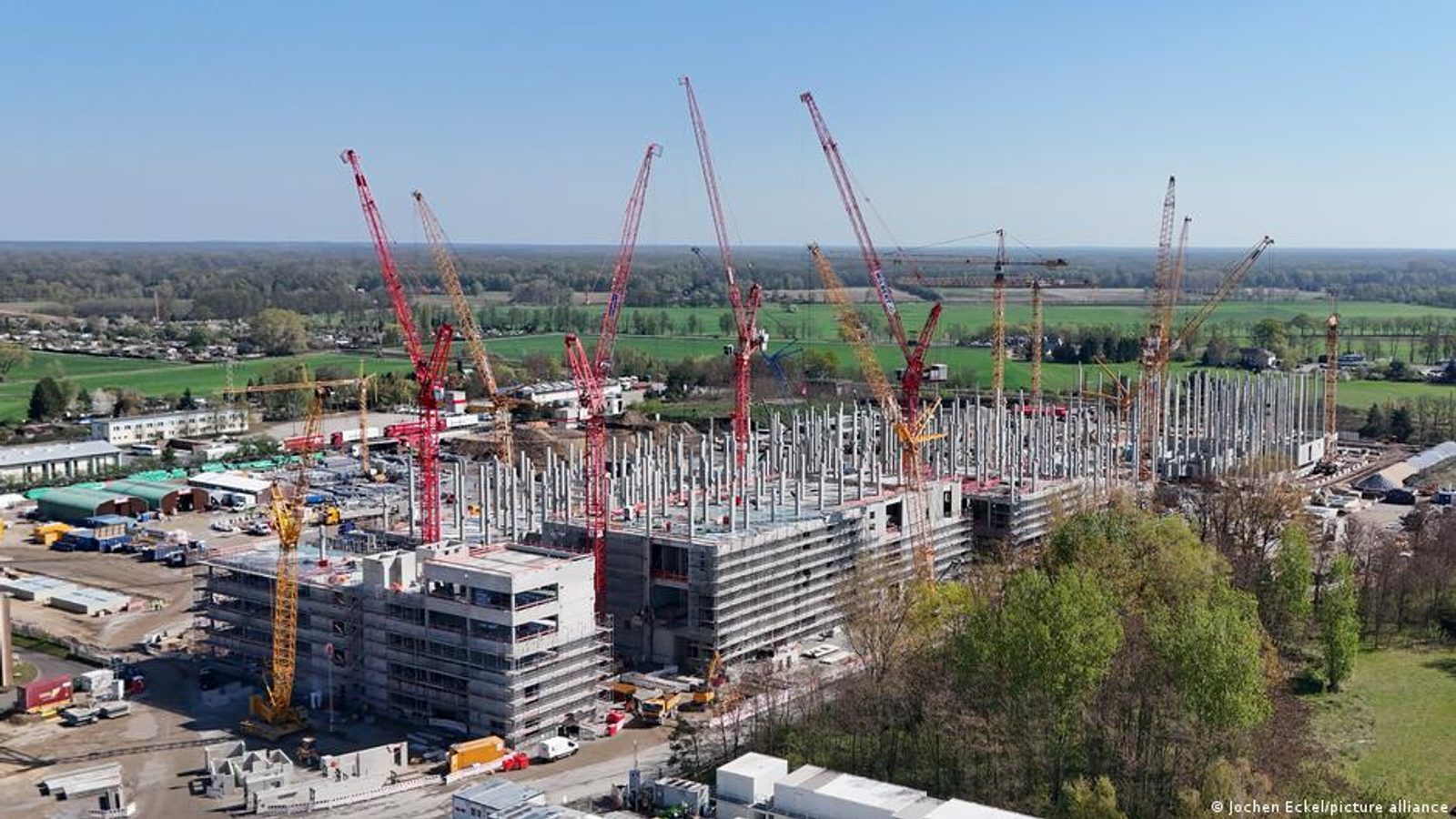
Germany is moving ahead with a large wave of data-centre construction — 99 projects have been identified nationwide, and 41 are already under construction — but experts warn the expansion could strain local water and power supplies.
The rush to build follows high-profile starts such as the March 12, 2026 ground‑breaking for a Microsoft campus in North Rhine‑Westphalia. At that ceremony the German Minister for Digitalization, Karsten Wildberger, said: "Today we lay the foundation of a new source of power, namely computing power." Six days later the ministry published a national data‑centre strategy that aims to roughly double Germany’s installed capacity by 2030.
Scale and origin of the projects
Research compiled by several civil‑society groups and reviewed by German media shows the new generation of facilities is far larger than earlier generations. Where five to ten megawatts used to mark a big site, planned projects now commonly range from 200 to 500 megawatts and in some cases exceed one gigawatt. These mega‑projects require far more land, grid connections and, in certain cooling designs, far greater volumes of water.
Non‑EU firms account for a significant share of the pipeline: 36 projects are planned or will be run by companies based outside the European Union, and roughly two thirds of those are American. US firms also back many of the largest builds — among projects with more than 100 megawatts, 14 are owned or controlled by US companies. Large investors named in the analysis include Amazon, Google, Microsoft and the less familiar EdgeConnex; many projects cluster in North Rhine‑Westphalia, the Berlin area and the Frankfurt region around the DE‑CIX internet exchange.
Local authorities in small towns are already fielding interest. The Schleswig‑Holstein municipality of Schuby — about 2,400 inhabitants between Kiel and Flensburg — has been approached for a centre that could reach several hundred megawatts. Mayor Petra Schulze describes the mood as "an atmosphere of gold rush" and says municipalities often lack experience negotiating with global corporations. "Where is the planning vision? Where do we want to get to, where does Germany want to get to?" she asks.
Environmental authorities are raising red flags about water. The survey matched planned sites to groundwater and water‑availability data and found roughly one quarter of projects lie in regions already experiencing water stress. Marina Ken of the German Environment Agency warns municipal planners to examine cooling concepts closely: "As we have seen recently, conditions can change sharply and some regions suddenly face exceptionally dry summers." She notes the longevity of these facilities: "Such installations remain in place for at least ten years, and often much longer. That must be kept in mind constantly."
Concerns are heightened by common evaporative cooling systems used in some large US data centres; those systems reduce electricity consumption but permanently consume large quantities of water. Alternatives exist, including closed‑loop chip cooling and use of ambient cooling sources that save water and allow waste heat recovery, yet few municipalities have been explicit about the approaches planned. Only seven local authorities reported that projects would use closed‑loop cooling, and only five said they had measures for extreme heat.
The Federal Ministry for Digitalization says water availability is increasingly considered in authorizations and that guidance for municipalities — including a handbook for evaluating sites — is being prepared and should appear on the ministry’s website later this year.
Photo: press material from the event