Germany reopens fight over 12‑hour shifts in working‑time reform
A coalition split and opposing demands from employers and unions have stalled plans to replace the eight‑hour daily limit with a weekly regime.
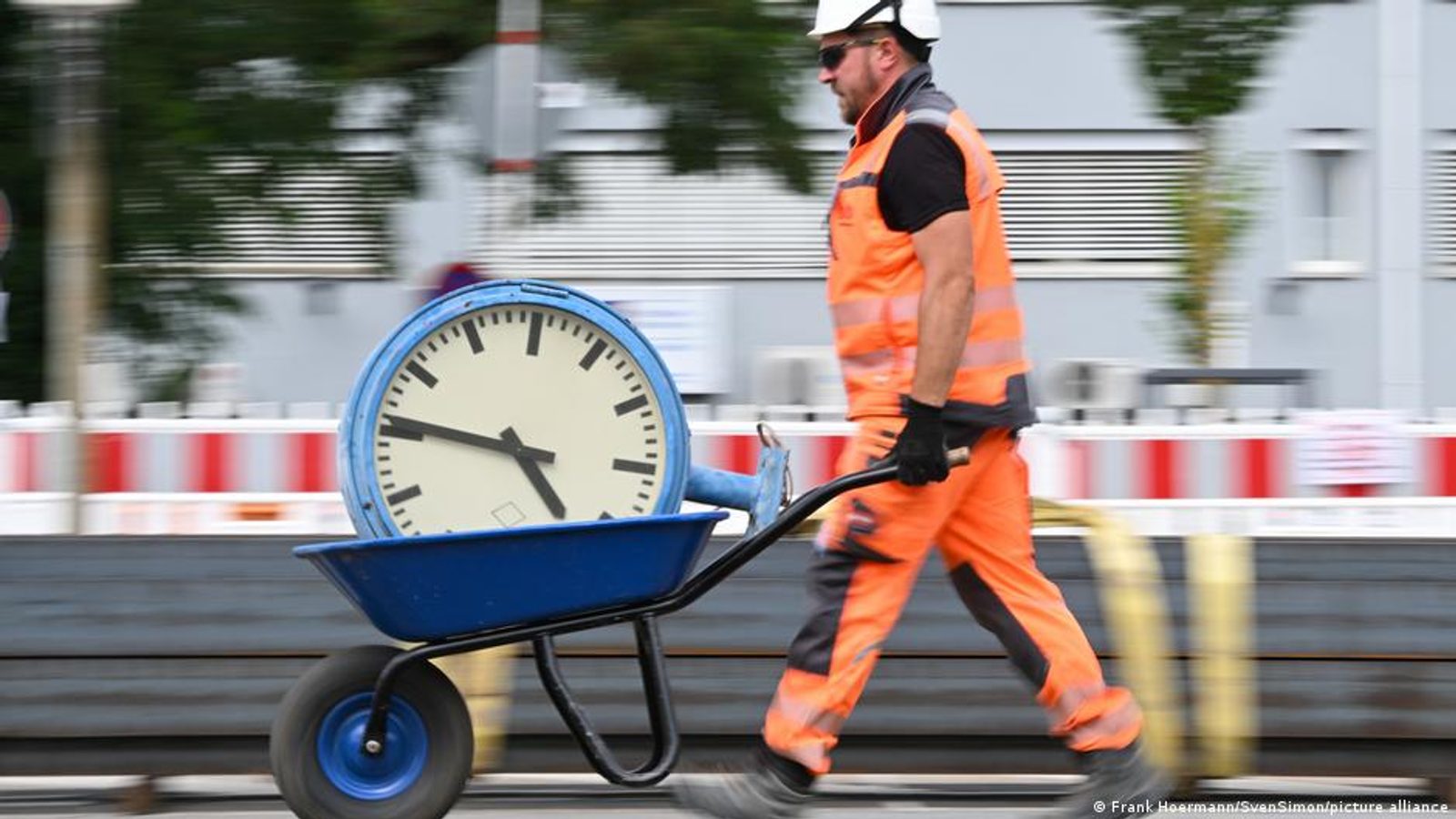
Germany has reopened a sharp political dispute over whether longer daily shifts should become more common after companies — and parts of the governing coalition — pressed for greater flexibility in working hours.
What the debate is about
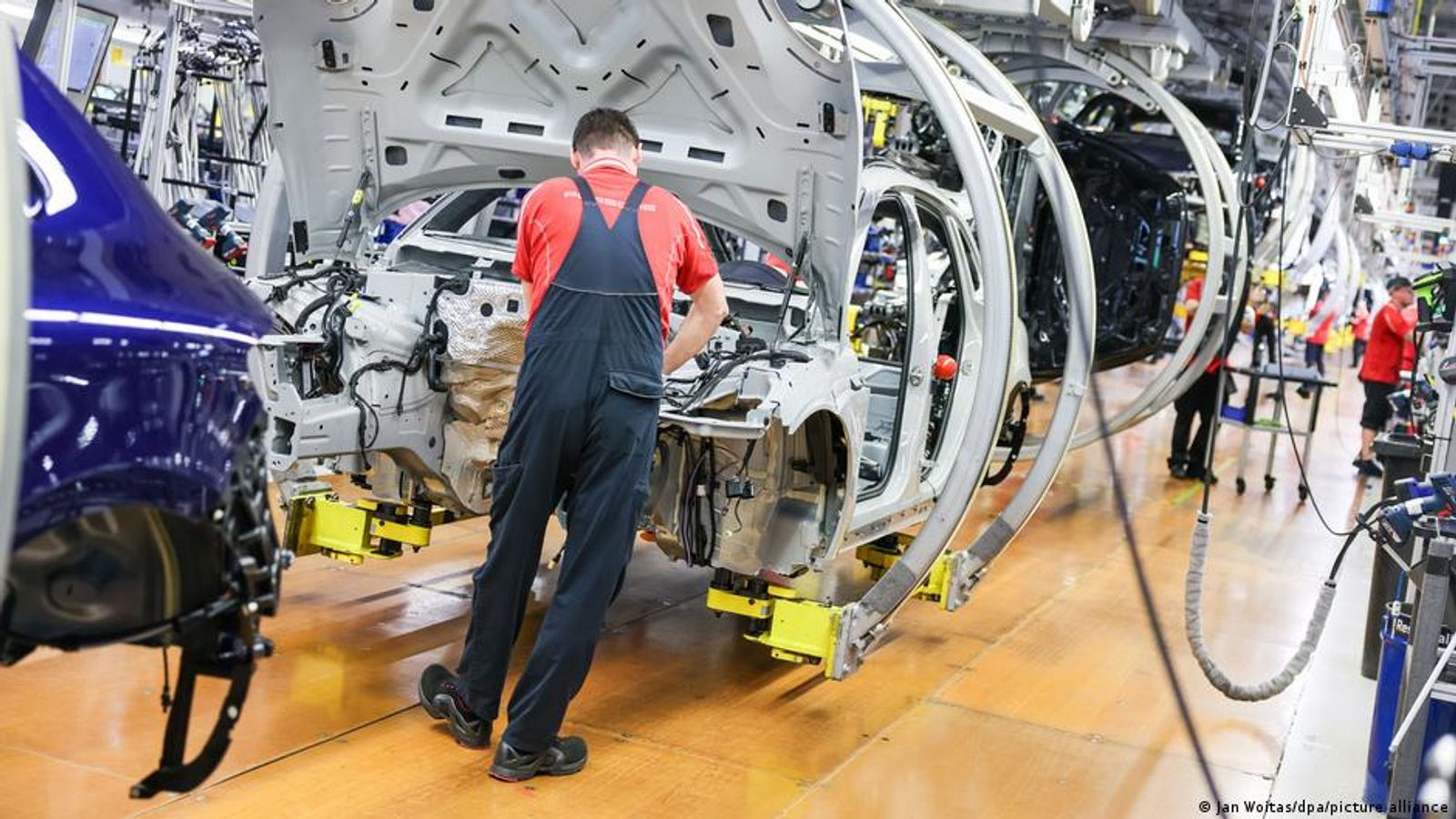
The debate sharpened after a cluster of industrial plants in Leuna, in the eastern state of Saxony-Anhalt, drew attention for operating continuous production cycles that use 12-hour shifts. New jobs at a wood-based chemical biorefinery owned by the Finnish group UPM were advertised with an explicit requirement: readiness to work 12-hour shifts.
Under current German law an employee’s regular working day is limited to eight hours; it can be extended to ten hours only if the extra time is compensated later. Workers must also have at least eleven hours of rest between shifts. Employers and the conservative CDU/CSU have for some time argued these rules are too rigid for sectors with uneven workloads — tourism, hospitality, project-based work and parts of industry.
Rainer Dulger, president of the Confederation of German Employers' Associations (BDA), has repeatedly urged change and pointed to EU rules that permit a maximum 48-hour working week. He told the German press in August: "These possibilities are used almost everywhere, only not here." Dulger has also criticised the law’s outdated framing: "The Working Time Act comes from the era of the fax machine and the telephone dial. It doesn't know laptops or daycare opening hours," he said.
Conservative leaders pushed the issue into the coalition agreement in 2025, agreeing to create scope to move from a strict daily limit to a weekly cap on working hours "in accordance with the European directive on working time" and to help reconcile family and professional life. SPD ministers and many trade unions, however, resisted wide-ranging liberalisation.
Some sectors already allow longer continuous shifts by exception: emergency services, healthcare, security, power plants, refineries and parts of the chemical industry can operate up to 12-hour rotations.
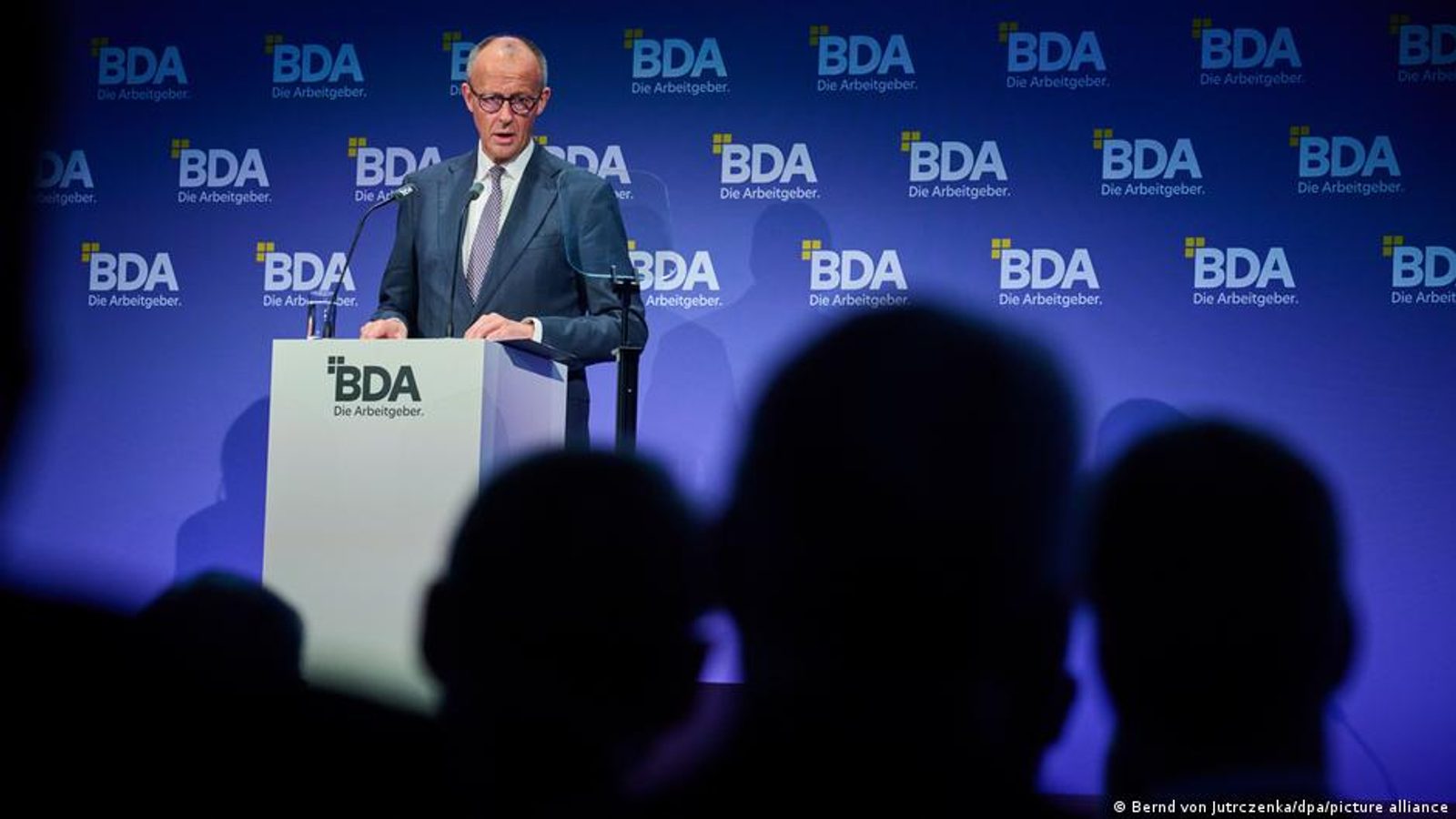
Chancellor Friedrich Merz said he was taken aback when a visit to the UPM plant in Leuna in early September 2026 revealed the scale of continuous 12-hour operations. At the German Employers' Day in Berlin on October 13 he said he had been "completely surprised" to learn that the facility ran continuous 12-hour shifts with works council approval. He relayed the shift manager's description of the roster as "really a very good" model that meant workers "have a lot of time for their families, that this is a great arrangement." Merz argued that, properly organised, working more than eight hours "is not exploitation, but can be a good opportunity for companies and people to organise working time more flexibly" and urged: "We should do this."
Trade unions have pushed back. Verdi warned that substantially longer working days risk harming employees’ health and putting additional strain on people with family or care responsibilities. Unions fear workers could be pressured into accepting longer shifts against their will.
In June 2026 the Ministry of Labour and Social Affairs, then led by Berbel Bas, drafted an initial reform proposal that would allow a shift from a daily to a weekly limit only where employers and employees regulate terms through collective bargaining. The draft also envisaged clear health-protection rules and electronic time recording.
The SPD's workplace group, youth wing Jusos, its "60plus" group and the party's women's organisation published a reform paper in early October calling for joint, mutually agreed decisions on working time and warning against measures that would leave employers to set hours unilaterally. SPD labour spokeswoman Anika Klose summed up the party's stance: "That means that sometimes it should be possible to take a child to an afternoon football practice and then go back to work. But not that the boss, against my will, tells me: tomorrow you work from 9 to 22."
When SPD lawmakers declared the June draft insufficient, CDU immediately rejected the changes as unacceptable and employers demanded a rewritten proposal. The controversy has left the reform effectively stalled and added another strain to an already fragile governing coalition in Berlin.
Photo: press material from the event