Germany to tighten language-test rules for migrants from November 1
Berlin will require migrants to meet minimum A2 in their weakest skill and prove ability across listening/reading, writing and speaking.
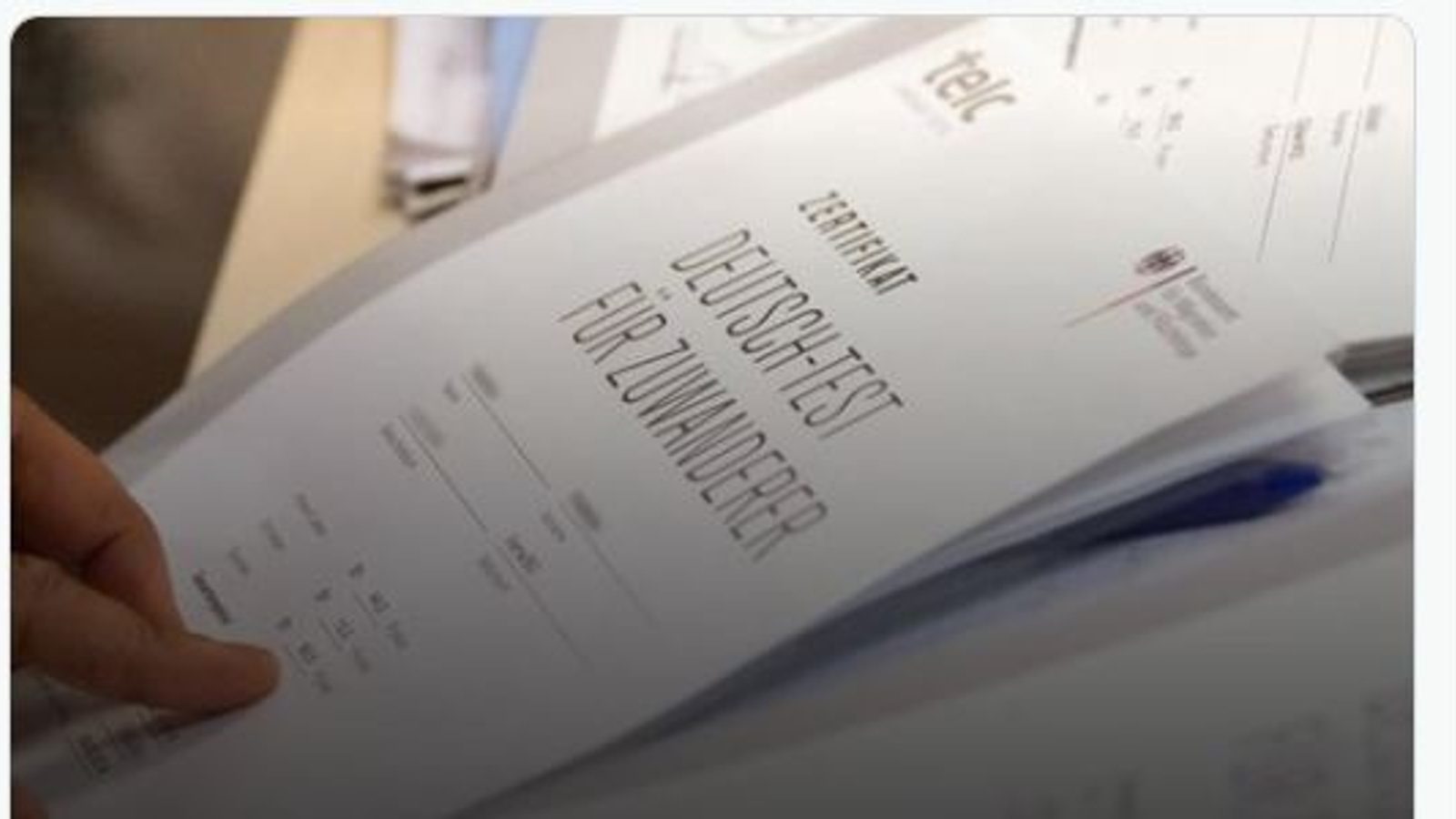
The German Ministry of the Interior has confirmed stricter rules for the German language test (DTZ) that migrants must pass to obtain permanent residency and, potentially, German citizenship. The ministry says the changes respond to growing attempts to cheat on the exam and will take effect on November 1.
What is changing
Authorities found that participants in online integration courses had obtained questions and solutions specifically for the listening and reading sections of the exam. Those two sections together comprise 45 questions, which candidates answer by marking the correct options.
The DTZ also includes a written component in which candidates must produce a short text in German, and an oral section. According to current practice, some candidates have skipped the written task but still been credited with a pass based on a strong result in the first part combined with a B1 level in the oral test.
Under the new rules, security measures for the DTZ will be tightened and the B1 pass requirements will be adjusted so candidates must demonstrate competence across all three areas: listening/reading, writing and speaking. In the area where a candidate is weakest they must now show at least A2 level ability.
That change means a candidate who fails to reach A2 in any one of the three skills will no longer be able to claim the test as passed. The amendment to the "Regulation on exams for integration courses" is scheduled to enter into force on November 1.
The ministry says the measures aim to reduce fraud in online course exams and ensure that language proficiency checks for residence and citizenship reflect real, balanced skills across listening, reading, writing and speaking.
Photo: press material from the event