Germany's gas stocks low but supply judged stable ahead of winter
Storage levels are below past norms and prices have climbed, yet authorities say supply security is currently guaranteed.
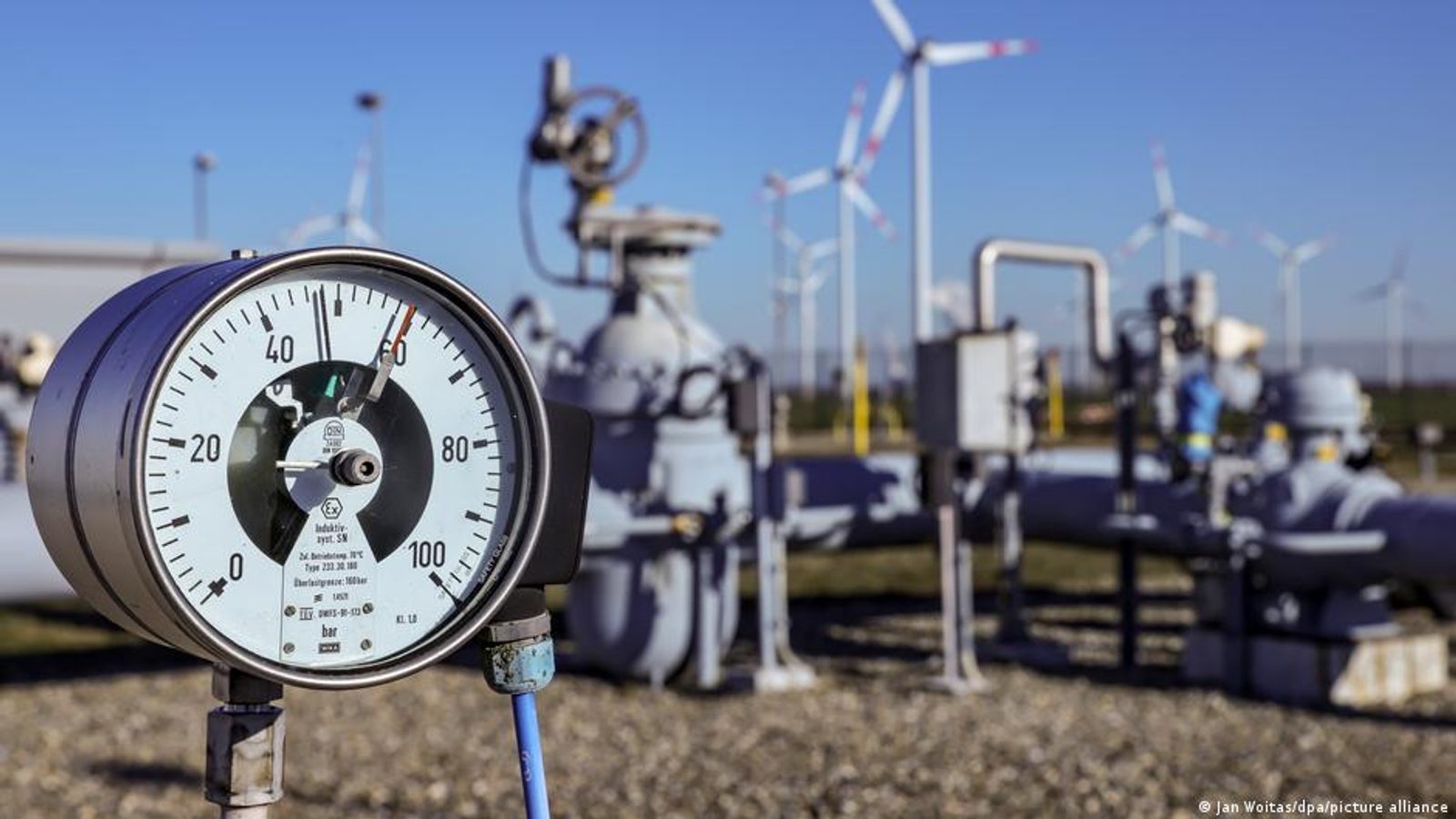
Germany enters the 2026–27 heating season with gas storage levels markedly below historical averages but authorities and many industry representatives say an immediate supply emergency is unlikely. As of 20 September 2026, underground and aboveground stores held about 141 terawatt‑hours of gas, roughly 57 percent of total storage capacity — compared with just under 134 terawatt‑hours consumed during last winter.
Political reactions to the low fill rates have been sharp. On 4 September Bavarian premier Markus Söder urged federal intervention, and Greens parliamentary co‑chair Britta Hasselmann warned lawmakers that, in her words, "Gas storage sites are not filled. A supply shortage threatens." Those comments fuelled public fears that households and businesses could face heating disruptions.
Industry voices temper that alarm by pointing to diversified supply routes and existing contractual arrangements. "Anyone who has contractually secured their gas needs with a reliable supplier will receive the agreed quantities," said Charlie Gruneberg, spokesperson for the industry association for gas and hydrogen. At the same time, storage operators note that filling rates are lagging: Sebastian Hajnerman, CEO of the German Association for Gas and Hydrogen Storage, says technical capacity would allow storage to be topped up to around 77 percent, but current replenishment rates are far slower: "If the trend continues, by 1 November only about 65 percent will be reached."
What this means for prices
The market is already pricing in higher winter demand. Hajnerman notes that second‑quarter forward contracts averaged about €46 per megawatt‑hour but have recently risen to above €80. Olaf Gayer, who tracks the German market for consultancy Arthur D. Little, warns that costs could climb sharply if winter is colder than normal or if imports are interrupted, although he does not expect an imminent shortfall in volumes.
The Federal Network Agency has described the supply situation as stable. "Gas supply in Germany is stable. Security of supply is currently guaranteed," a spokesperson, Nadja Afani, said, adding that the agency still assesses the risk of tensions in gas supply as low. The Federal Ministry for Economic Affairs and Energy also reported no signs of an impending shortage: "The ministry is closely monitoring developments to ensure security of supply. At present there are no indications of shortages," a ministry spokeswoman, Susanne Ungrad, wrote in response to questions.
Experts and officials point out that the balance between summer and winter prices has weakened, reducing the economic incentive to fill stores during warmer months. The ministry notes that current winter futures are only slightly higher than spot market prices, so the usual summer‑cheap/winter‑expensive spread that made summer storage profitable largely did not materialize this year.
As a result, several observers call for policy tools to strengthen storage incentives. Gayer argues for better market signals and risk management arrangements; Hajnerman says Germany needs a lasting market framework that can provide a permanent incentive or obligation to maintain sufficient reserves while still leaving room for normal market trading.
Photo: press material from the event