California voters reject Proposal 40: one‑time 5% levy on billionaires defeated
Voters turned down Proposal 40 on November 10, 2026; supporters’ $100 billion estimate contrasted with Stanford’s $30 billion projection.
On November 10, 2026, California voters rejected a ballot measure that would have imposed a one‑time five percent levy on residents with at least $1 billion in net worth. Only 47.2 percent of voters supported the measure, known as Proposal 40, according to vote tallies reported as the count progressed.
What the proposal would have done and who it targeted
The initiative would have required roughly 250 Californians whose combined wealth is about $2.3 trillion to pay a single five percent charge on their net worth. Most of the revenue was earmarked for the state’s health system, with additional funds directed to education and food‑assistance programs as California faces budget gaps tied to cuts in federal subsidies.
Backers of the measure estimated it could generate about $100 billion. Researchers at Stanford University produced a far lower estimate of around $30 billion, in part because some wealthy residents had already taken steps to change their official state residency.
Campaign finance played a decisive role. Opponents of the levy raised roughly ten times the money collected by supporters. Google co‑founder Sergey Brin donated more than $100 million to a group campaigning against the proposal, financing advertisements and other outreach that argued the tax would prompt departures and harm the state’s economy. Early vote counts showed opponents leading by 55.6 percent when approximately 60 percent of ballots had been tallied.
Prominent tech figures reacted in different ways. Governor Gavin Newsom opposed the levy, warning the state could lose significant tax revenue if wealthy residents left. Mark Zuckerberg, faced with the threat of relocation, arranged a new share structure at Meta that included issuing non‑voting shares so he could sell assets to cover a potential tax without surrendering control. Nvidia CEO Jensen Huang publicly said he would not consider leaving California because of such a tax. Other billionaires, including Google co‑founders Sergey Brin and Larry Page, had purchased multi‑million‑dollar properties in Florida, a state viewed as more tax‑friendly.
The defeat of Proposal 40 leaves lawmakers and advocacy groups to weigh other approaches to address funding shortfalls in healthcare, education and social assistance — and it highlights the limits of one‑off levies on a small group of ultra‑wealthy residents as a tool for raising large, immediate sums.
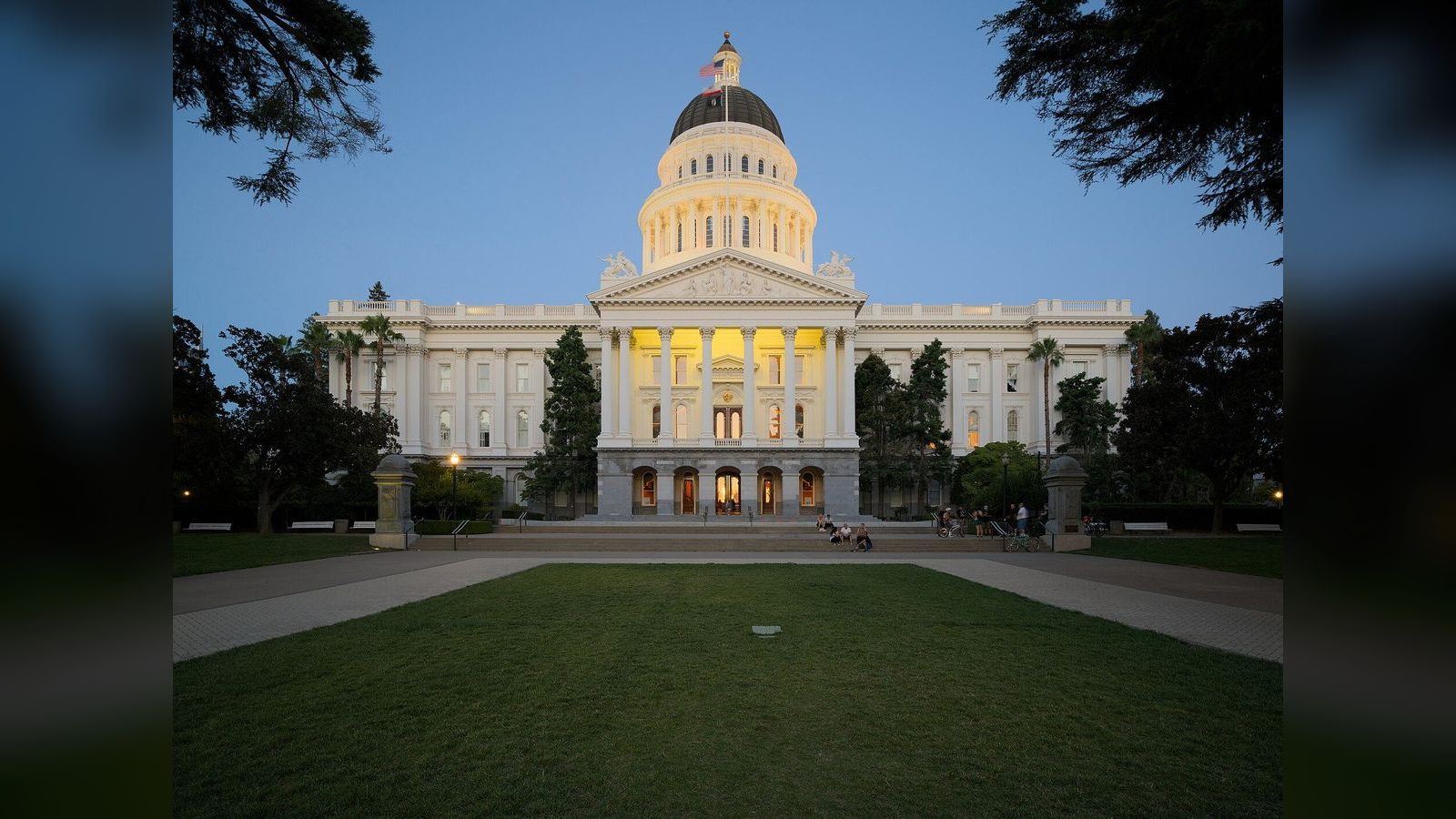
Photo: Dllu / Wikimedia Commons (CC BY-SA 4.0)