Anger in Berlin: Anti‑fascist's grandchild confronts security over AfD wreath
Heir of Dietrich Bonhoeffer challenged AfD's presence at the July 20 commemoration in Berlin; security intervened and the ceremony continued.
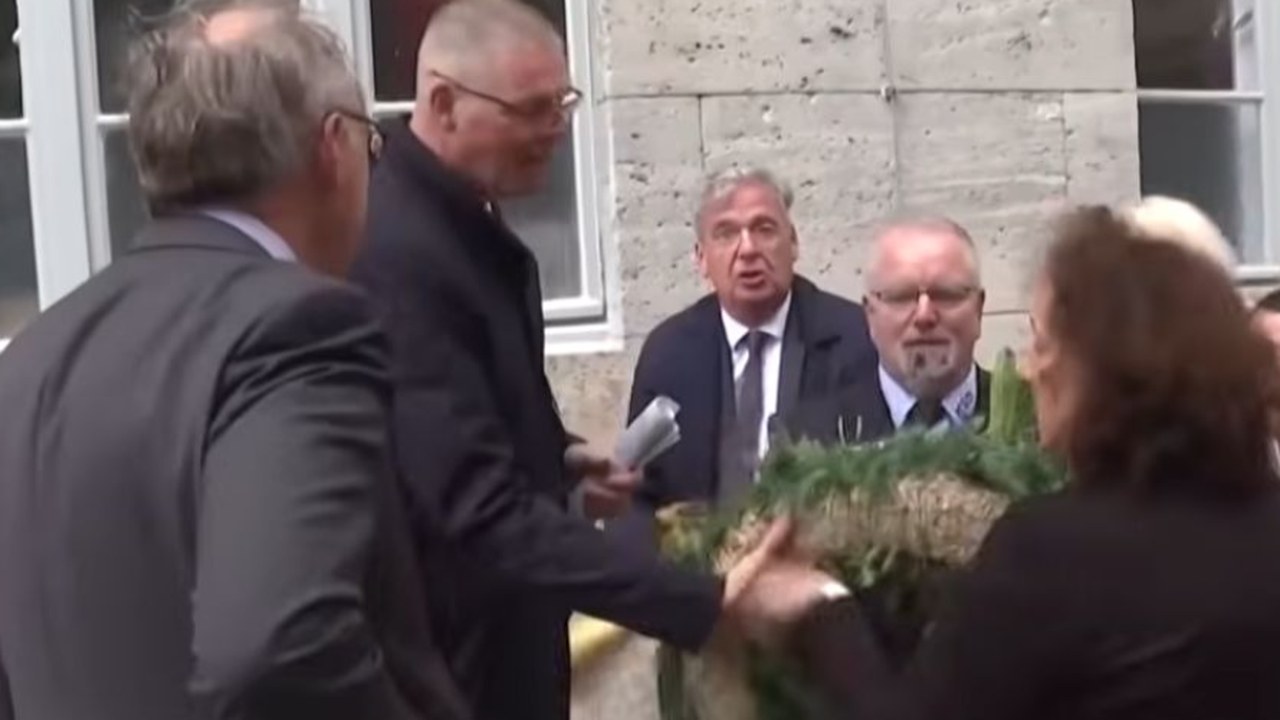
Descendant of resistance fighter clashes with security after AfD wreath at Berlin commemoration
On July 20, 2026, during the annual remembrance in Berlin of the failed attempt on Adolf Hitler’s life, Tobias Korenke — a descendant of the anti‑Nazi pastor and theologian Dietrich Bonhoeffer — tried to remove a wreath laid by the parliamentary group Alternative for Germany (AfD). Security intervened and, in the scuffle, the wreath was damaged.
Korenke said the move was driven by anger at what many relatives of the 1944 conspirators see as a politicisation of the site. “Many descendants, including myself, feel real anger when we see the AfD placing wreaths here. We will not accept that,” he said after the incident.
The AfD confirmed that it had provided a wreath for the official commemoration and rejected accusations of extremism. A party spokesperson argued that AfD attended because it is one of the parties represented in the Bundestag and had been invited to official events.
Reactions among families connected to the July 20 plot were mixed. Karl von Stauffenberg, a grandson of Colonel Claus von Stauffenberg who organised the 1944 bomb plot, warned against allowing the memory to be exploited but also stressed democratic principles, saying those with different views must be allowed to speak.
The ceremony included reminders of the historical facts: on July 20, 1944, Colonel Stauffenberg placed a briefcase bomb that failed to kill Hitler after the device was moved, reducing its effect; the plot unraveled and the conspirators were executed hours later. Bonhoeffer, linked to resistance circles, was executed in 1945.
Despite the disturbance, the official programme went ahead with a speech by Education Minister Karin Prien. The episode has renewed debate in Germany over who should be allowed to participate in public acts of remembrance and how to protect these sites from political appropriation.