Hendrik Wüst met Erdogan in Ankara — visit highlights economy, defence and chancellor speculation
Wüst’s visit on 30 September 2026 strengthened ties with Turkey and intensified debate at home about his possible role in national leadership.
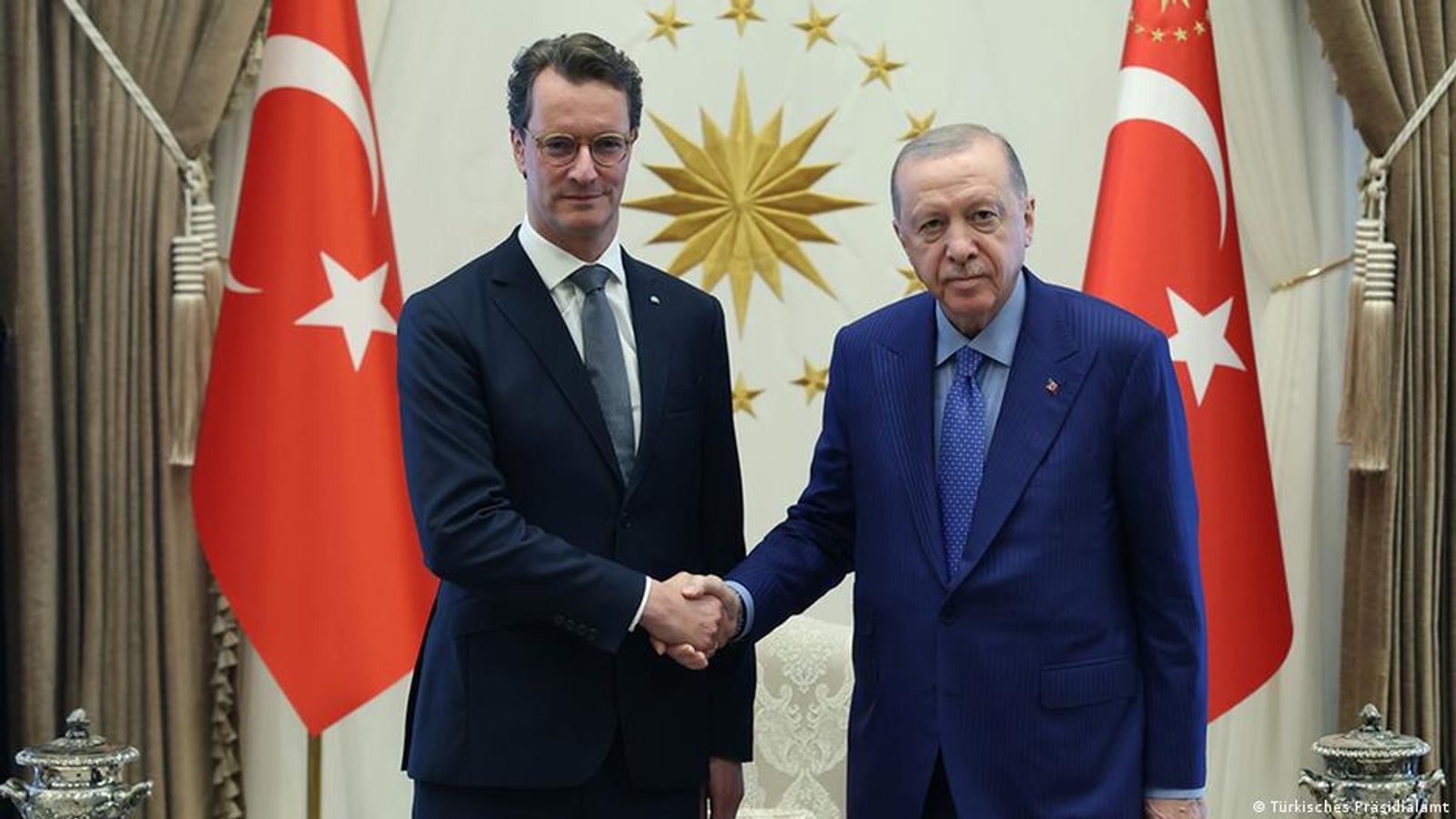
Hendrik Wüst, the 51-year‑old CDU premier of North Rhine‑Westphalia, spent three days in Turkey and held a 50‑minute audience with President Recep Tayyip Erdogan in Ankara on 30 September 2026. Their talks covered the economy, defence and broader German–Turkish relations, and were followed by meetings with three Turkish ministers.
Wüst drew attention from the moment he arrived: his reception included a glass of “detox water” with mint and cucumber, which he accepted. He is widely known in Germany as a politician who does not seek to topple Chancellor Friedrich Merz, yet his international appearances increasingly fuel speculation that he could be a possible successor — a line of conjecture he consistently rejects.
Why the trip matters
The length of the Ankara audience was unusual for a regional leader not part of the federal cabinet. North Rhine‑Westphalia is home to roughly one third of an estimated three million people of Turkish origin in Germany, and trade between the Turkish state and the German state is worth more than €10 billion — factors that helped justify Wüst’s visit. "I think it was long overdue to make such a trip," he said.
Wüst described the meeting with Erdogan as "a conversation filled with trust and openness," and said it allowed room to address "critical questions." Officials accompanying him stressed a desire to establish a "new tone" in dialogue, favouring private, direct exchanges over public admonitions that might complicate future talks.
Observers note the wider political context in Berlin: Chancellor Merz has endured three successive heavy defeats in state elections and recent polls have at times put the conservative CDU behind the Alternative for Germany (AfD). That environment has prompted speculation about a change at the top, with Wüst’s name frequently mentioned. The premier continued to decline commenting on those rumours; meanwhile some 15 journalists from Berlin shadowed him through the trip, allowing Merz to remain in the capital to carry on with government business.
After the talks Wüst announced there is "strong interest in even closer cooperation in the field of defence." He also reflected on migration history and integration: "Guest workers were sometimes regarded as a problem — and for far too long!" He recalled that 65 years have passed since Germany signed the first recruitment agreements with Turkey and visited sites highlighting the long social and economic links, including a visit to a German industrial site and references to the DITIB central mosque in Cologne.
By the end of the trip Wüst had achieved two clear objectives: reinforcing practical ties between Ankara and a key German state within the parameters set by the federal government, and ensuring his name remains part of the domestic conversation about who might lead the CDU and, conceivably, the country in future.
Photo: press material from the event