Croatia moves to ban hospitality service of energy drinks to minors; North Macedonia keeps 14‑year sales limit
Proposed Croatian law would stop bars and cafés from serving energy drinks to under‑18s; North Macedonia's trade law bans retail sales to under‑14s.
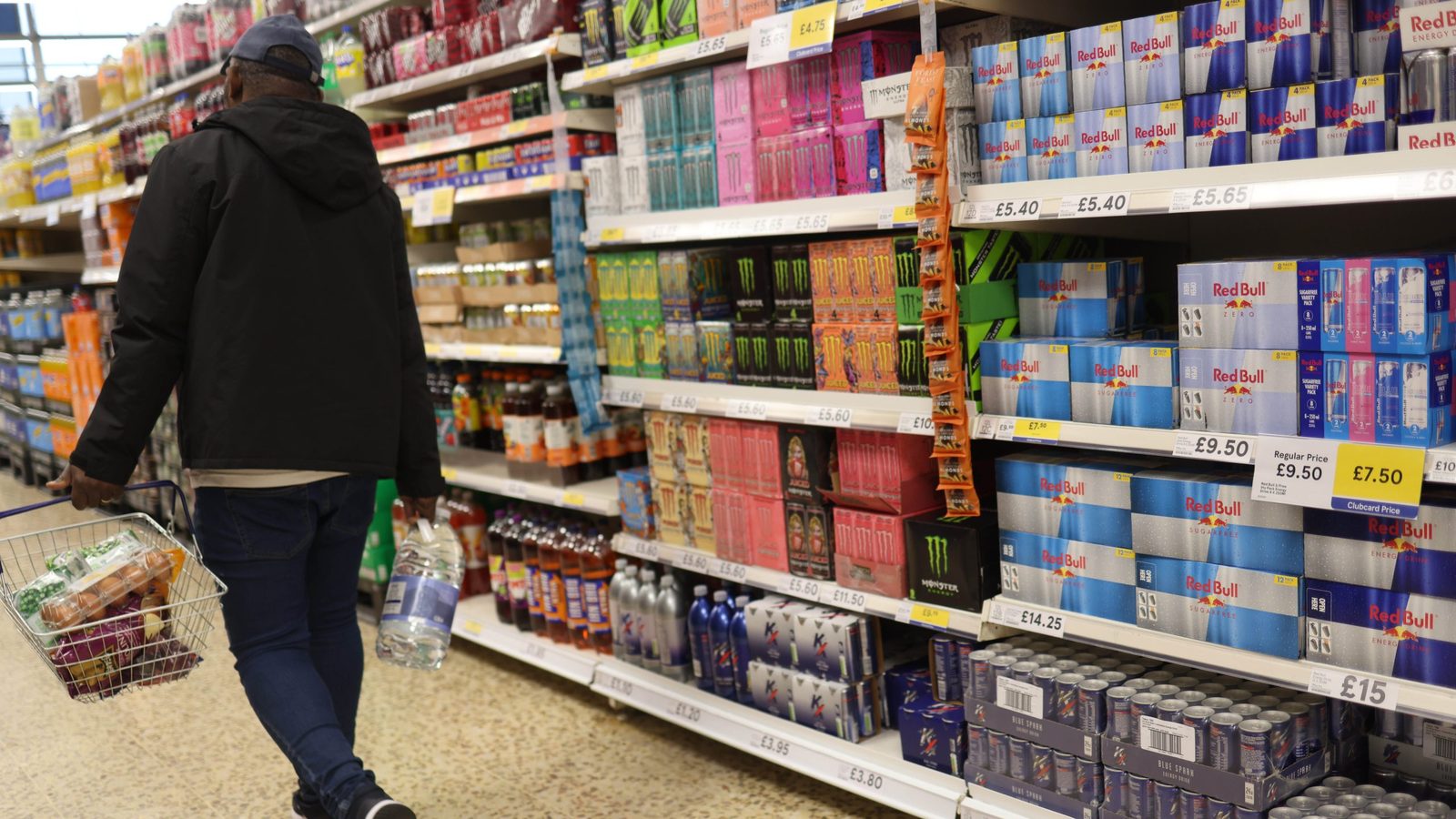
Croatia is preparing to widen restrictions on energy drinks for minors by banning their service in hospitality venues, while North Macedonia still allows retail sales to buyers aged 14 and over.
Proposed ban would stop bars and cafes from serving or allowing consumption by minors
Under a bill now moving through the Croatian Parliament, hospitality operators would be prohibited from serving energy drinks to minors and from permitting them to consume such drinks on the premises. The proposed measure would also cover products that are similar in composition or effect to energy drinks.
The initiative comes from the Croatian Ministry of Health. The ministry has said the new legal text would also regulate labelling and advertising of these products.
As part of the justification, the ministry cites research by the Croatian Institute of Public Health showing that some pupils drink "750 milliliters or more" despite warning labels on packaging that high-caffeine drinks are not recommended for children.
Retailers in Croatia already face a rule introduced in June under which shops must not sell energy drinks to persons under 18; sellers must refuse a sale if they judge the buyer to be under 18 unless the buyer presents ID proving they are of age. By contrast, Article 24 of North Macedonia's Law on Trade sets a lower age limit: a retailer must not sell energy drinks to children younger than 14. Shops there are required to display a notice about the ban in a visible place and the seller must verify the buyer's age. The same Article 24 sets the age limit for alcohol and cigarettes at 18.
Photo: EPA/NEIL HALL