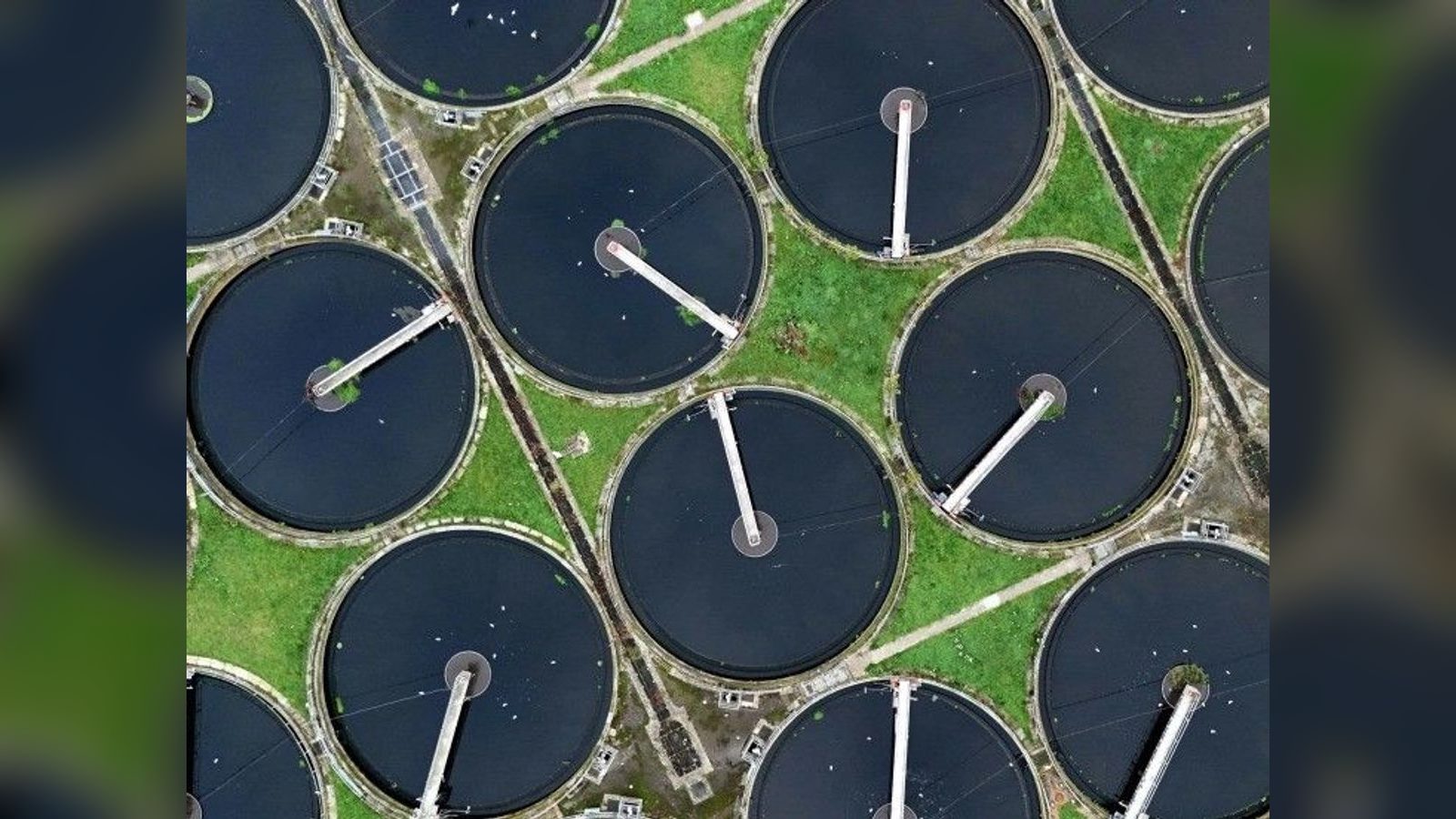
Danube rise allows Paks nuclear plant to increase output
A 19 cm rise in the Danube allowed Hungary to restart a second turbine at the Paks plant; officials warn the relief could be temporary and outline longer-term options.

The rise in the Danube's water level allowed Hungary to begin restarting the second turbine at the Paks nuclear power plant after low river levels had severely curtailed the plant's output.
Prime Minister Peter Magjar said the restart process began once the Danube rose by 19 centimetres from last week's lowest recorded level. He said the turbine is expected to resume electricity production on Monday evening.
Paks supplies about half of Hungary's electricity. Prolonged heat and drought across much of Europe had pushed the Danube to levels that forced the plant to reduce output to roughly 10 percent of capacity; of the eight turbines, only one remained in operation during the worst period.
Regional measures and emergency steps
Romania faced similar problems: in August authorities declared an energy emergency and rerouted part of the river to keep its sole nuclear plant running. Authorities there also sank four barges in the Danube as an emergency measure to protect the plant's cooling intake.
Magjar cautioned that the recent rise in the Danube may be only temporary and said Budapest will seek longer-term solutions. Among the options he mentioned is re-evaluating the planned expansion under the "Paks 2" project, since the envisaged new unit would also rely on Danube water for cooling.
Separately, the Hungarian government intends to diversify electricity production. A public tender for construction of wind farms with a planned capacity of 700 megawatts is due to be announced by 31 August, and the overall plan foresees developing a total of four gigawatts of wind energy capacity.
High temperatures and drought this summer have created serious problems not only for power generation but also for transport and public health across several European countries.
Photo: uginuli kaktus / Google Maps