Institute for Public Health urges Komunalec Gostivar to verify staff competence and strengthen chlorine monitoring
The Institute urges continuous residual-chlorine monitoring, staff competence checks and a revised risk-based monitoring programme after the Gostivar outbreak was lifted.
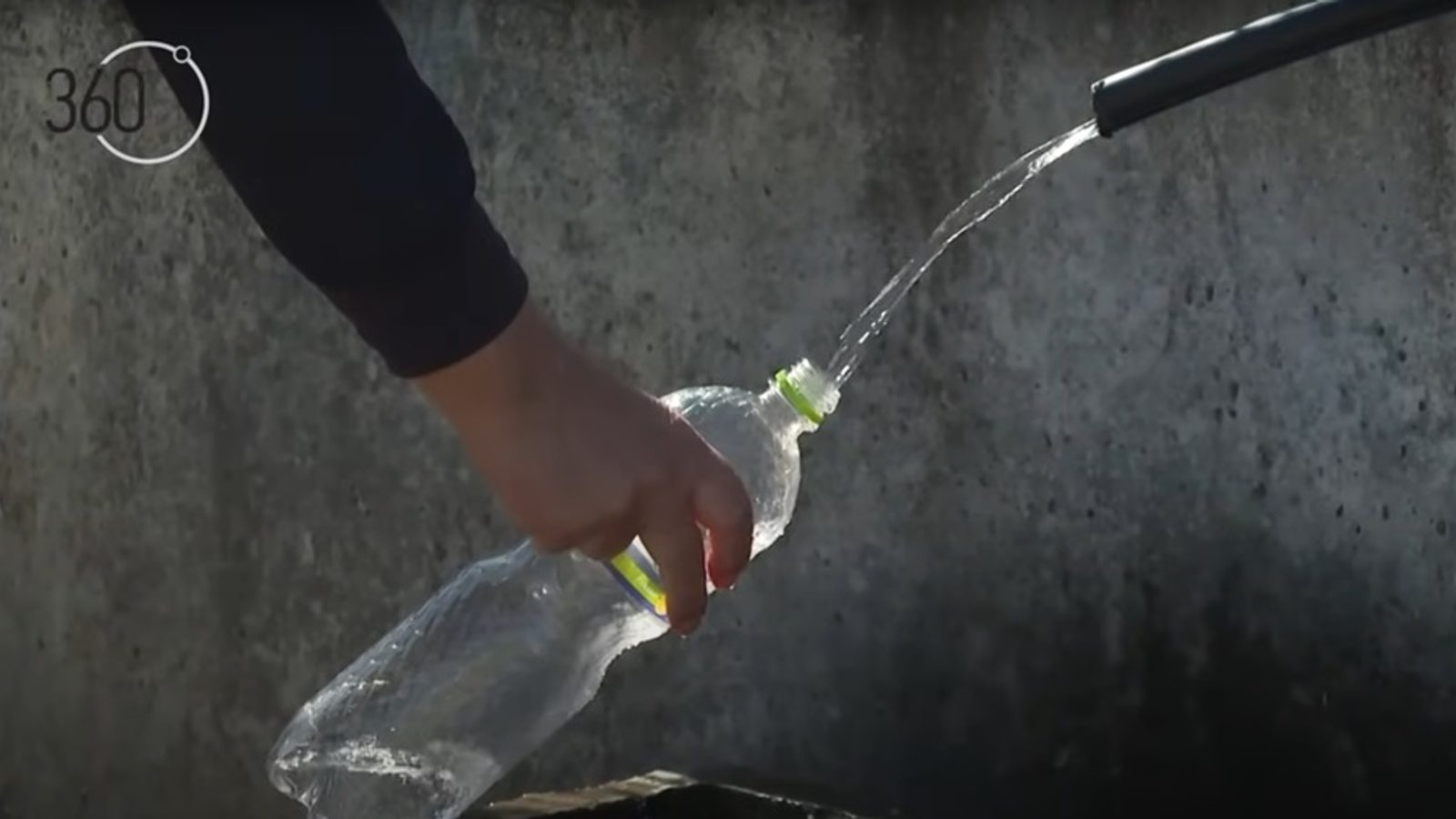
The Institute for Public Health has issued a package of technical and organisational recommendations to Public Utility Company "Komunalec" Gostivar one month after an outbreak linked to the town's drinking water. The measures are aimed at preventing new contamination events and at strengthening everyday operations of the supply system.
Key operational demands and staff checks
The Institute calls for continuous monitoring of chlorine levels throughout the system — from the source to end users — and for an automated surveillance system that measures parameters relevant to disinfection, especially residual free chlorine, at multiple points in the distribution network with automatic alarms for deviations.
Among the steps requested is an external verification that personnel working at critical points in the distribution system hold appropriate professional qualifications and basic knowledge of drinking-water safety, carried out by authorised legal entities. The Institute also recommends regular and ongoing training for staff responsible for operating and maintaining the supply facilities and mandatory periodic health and hygiene checks for workers in the first protection zone.
“After the emergency situation in Gostivar is lifted, ensure residual free chlorine in the distribution network at concentrations adequate to maintain the microbiological safety of the water, with an operational target value in the range of 0.2–0.5 mg/L, according to system conditions and applicable regulations. Also carry out hydraulic and operational analyses of the distribution network to identify the causes of variations in residual free chlorine, especially with regard to retention times, dead ends, zones with reduced consumption, changes in flow, potential mixing of waters from different parts of the system and other conditions that may affect retention time and chlorine demand,” the Institute states in its recommendations.
The Institute advises revising the existing risk-based monitoring programme to include all critical control points and risk-management measures across the entire supply system. The periodic flushing plan should prioritise end points, peripheral sections and low-flow stretches where stagnation can occur.
Longer-term proposals include securing sufficient supply capacity for all settlements, particularly during peak consumption, and identifying new water sources to meet increased demand. Day-to-day requirements for the utility include routine daily checks of basic water parameters and focused inspections of the filtration plant’s condition, functionality and capacity.
Local municipal inspectors in Gostivar were also urged to step up field controls to promote rational water use and to detect illegal connections or leaks. Separately, Minister of Health Sasho Klekovski announced today that the epidemic declared in Gostivar one month ago has been lifted.
Photo: press material from the event