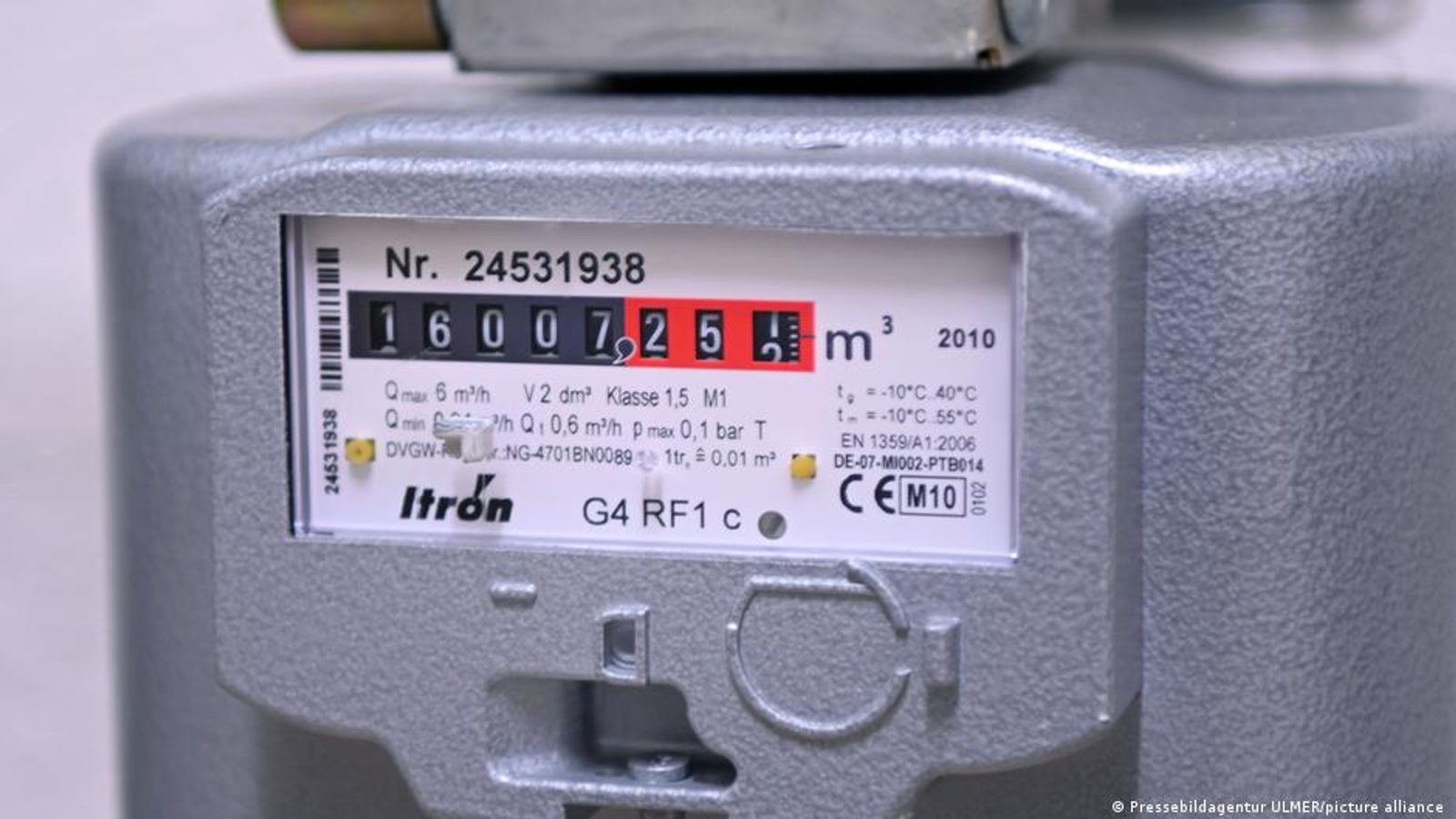
Study: Induction cooktop is household’s biggest electricity user
The Swedish Energy Agency finds induction hobs often consume more electricity annually than fridges or washing machines; one hour a day can mean about 1,200 kWh per year.
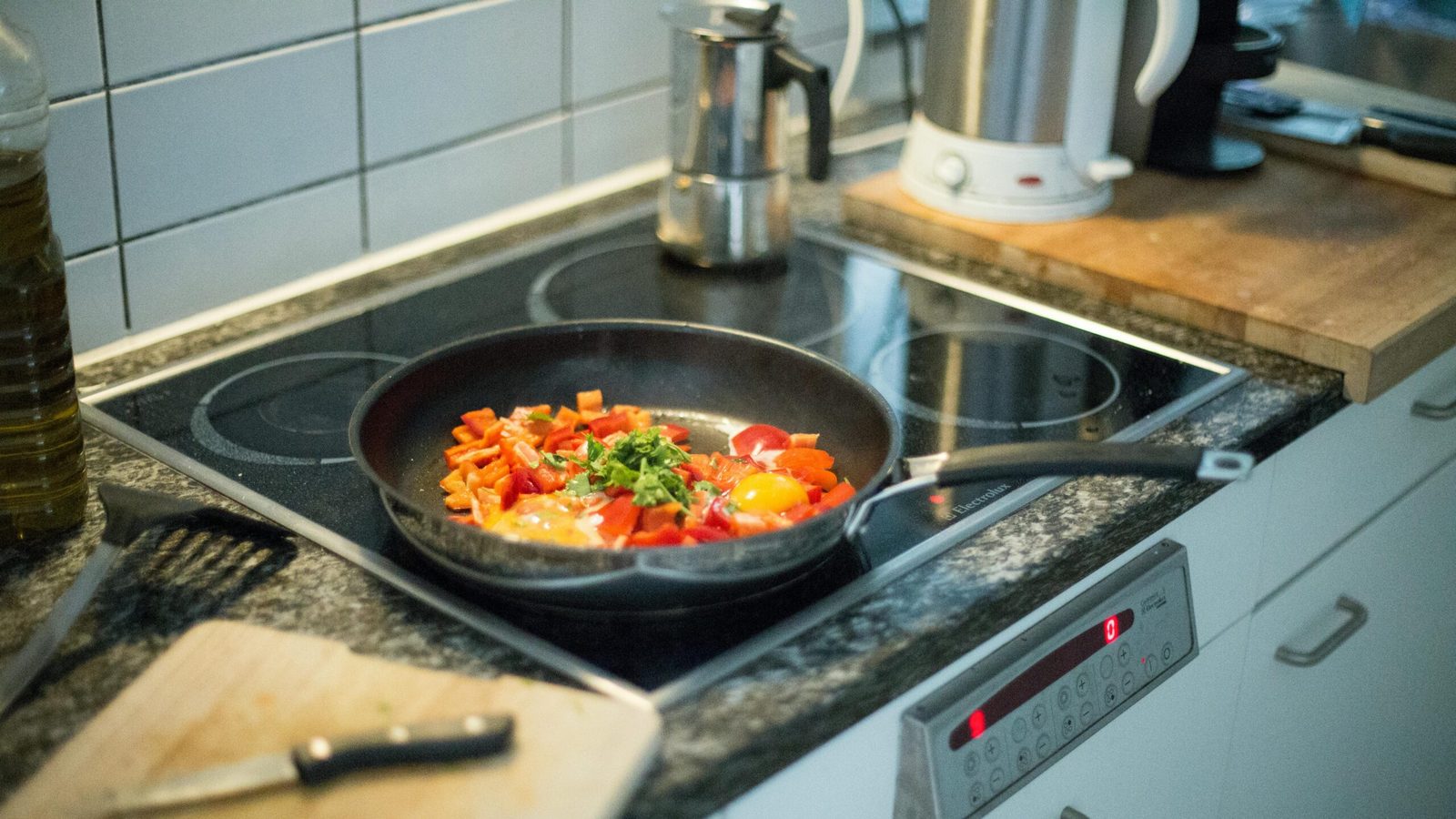
A Swedish study by the Swedish Energy Agency identified the induction cooktop as the single largest electricity consumer in an average household, surpassing appliances commonly thought to use more power such as refrigerators, washing machines and tumble dryers.
The Agency’s analysis shows that an induction hob can use up to three times more electricity than a refrigerator or a washing machine over the course of a year. The primary reason is the device’s high power rating, typically between 1,000 and 3,000 watts, and frequent short cooking sessions can add substantially to annual consumption.
Measured impact and typical figures
According to the report, using an induction cooktop for about one hour per day can result in roughly 1,200 kWh of electricity consumed over a year. With electricity prices noticeably higher than in previous years, that level of use is reflected clearly on monthly bills and can materially increase household energy costs.
The Swedish Energy Agency recommends more careful use of induction hobs and, where possible, choosing more energy-efficient solutions to cut consumption. Simple behavioural changes—shorter cooking times, using lids, and matching pot size to the cooking zone—can reduce energy use without reducing convenience.
Besides saving money, reduced use of high-power kitchen appliances lowers the household’s environmental footprint by decreasing overall electricity demand.
Separately, the report notes that one of the world’s largest coal producers is facing persistent power outages, a development that highlights wider strains in energy systems and the importance of efficiency measures.
Photo: pexels-ela-haney