Inflation in Austria eased but households still face high costs
Annual inflation fell to 2.8% in July as food prices declined, yet fuels, transport and health expenses continue to burden families.
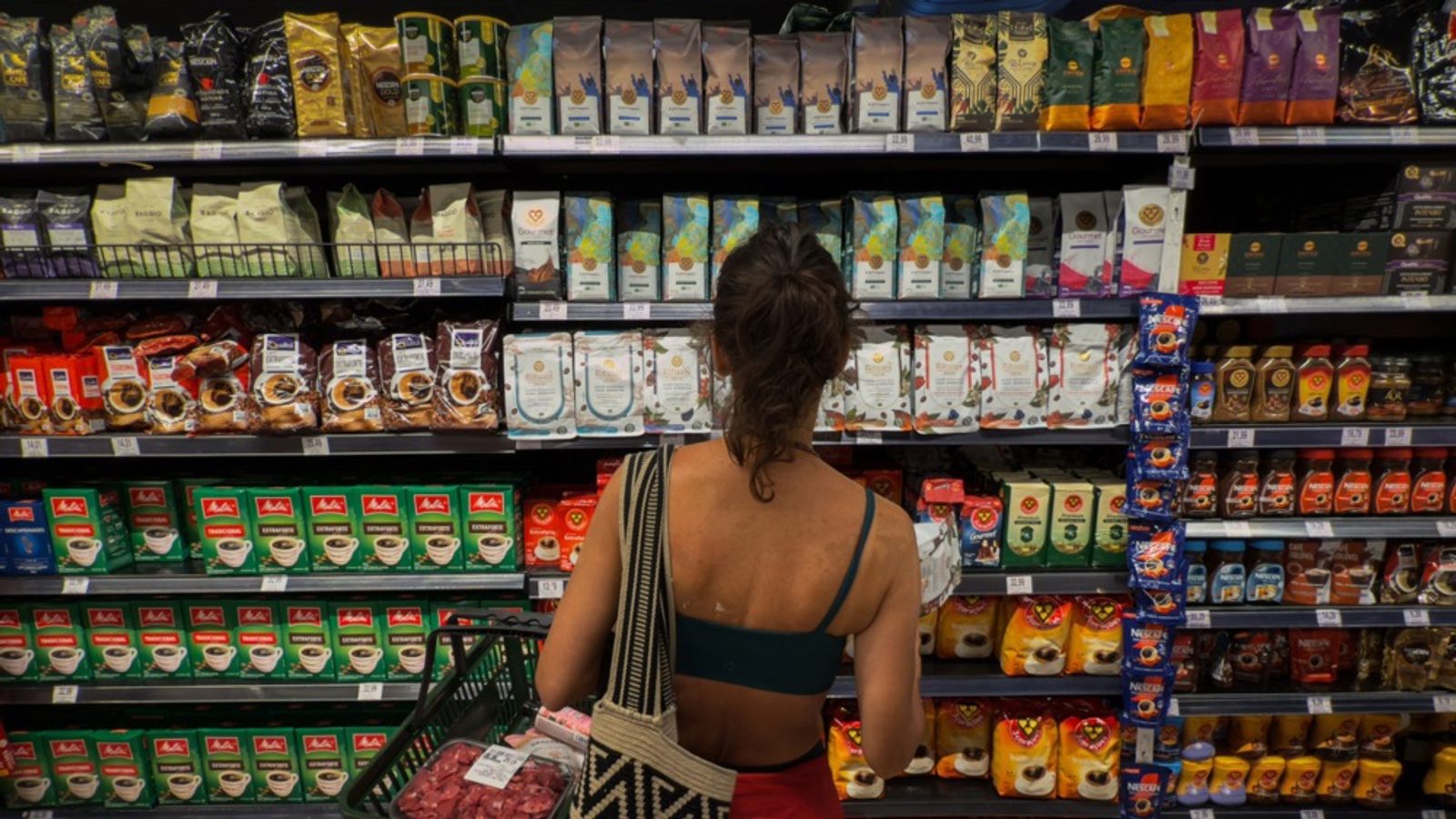
Annual inflation in Austria slowed to 2.8 percent in July, down from 3.2 percent in June, Statistics Austria reported — a change driven mainly by falling food prices, even as costs for transport, fuel, restaurants and health care continue to squeeze household budgets.
Food prices pull headline down, but other items still rising
Nearly half of July’s easing is attributed to a drop in food prices. Food and non‑alcoholic beverages were on average 0.4 percent cheaper in July after rising 1.3 percent in June. A value‑added tax cut for certain basic food items that took effect at the start of July also contributed to the decline.
Manuela Lenck, director of Statistics Austria, highlighted food’s role in the slowdown: without the changes in food prices, annual inflation would have been 3.0 percent. The small shopping basket that follows everyday purchases — mainly food and daily goods — was 1.4 percent lower in July than a year earlier, indicating that some routine costs have begun to ease.
At the same time, transport remained the strongest upward force on prices: transport costs were 6.4 percent higher year‑on‑year in July. Fuel prices rose sharply, up 17.6 percent compared with the previous year (after 16.3 percent in June). Air travel also stayed expensive, though the pace slowed: air fares rose 15.5 percent in July, down from 22.4 percent in June.
Housing, water, electricity and gas recorded annual price growth of 2.7 percent in July, below June’s 3.0 percent. Household energy fell by 0.6 percent, while electricity was 10.4 percent cheaper — movements influenced by reductions in electricity levies and the renewable‑energy surcharge that came into effect in January.
Services did not follow the food trend: restaurant services and accommodation were 4.6 percent more expensive year‑on‑year in July (4.5 percent in June), and health services and products also rose by 4.6 percent, driven mainly by higher medicine and health‑product prices. On a monthly basis, overall consumer prices were unchanged in July compared with June; package holidays were a major upward contributor with an 11.8 percent rise, while clothing fell 11.9 percent due to seasonal sales.
Using the European HICP methodology, Austria’s inflation rate stood at 2.7 percent, slightly below the euro‑area average of 2.9 percent. The government tied the headline slowdown to its measures in the energy sector and to lower food and electricity prices. Economy Minister Wolfgang Hatmansdorfer said the measures are reducing costs, while Finance Minister Markus Marterbauer said targeted interventions in prices are yielding results.
Nevertheless, the persistence of high fuel, transport, restaurant and health prices shows that inflationary pressure has not disappeared but shifted between different parts of household budgets. The small basket that also includes fuels was 3.2 percent more expensive year‑on‑year, underlining that many routine purchases and journeys remain costlier than a year ago. Electricity and gas suppliers in Austria have openly rejected the regulators’ proposed fairness catalog, according to the report.
Photo: EPA-EFE/ISAAC FONTANA