Venko Filipche interviewed on Alta Banka, fiscal strains and the "12.05" party dispute
Filipche addresses criminal complaints over Alta Banka, questions about Macura’s bank, fiscal pressures before the new budget and an internal SDSM dispute.
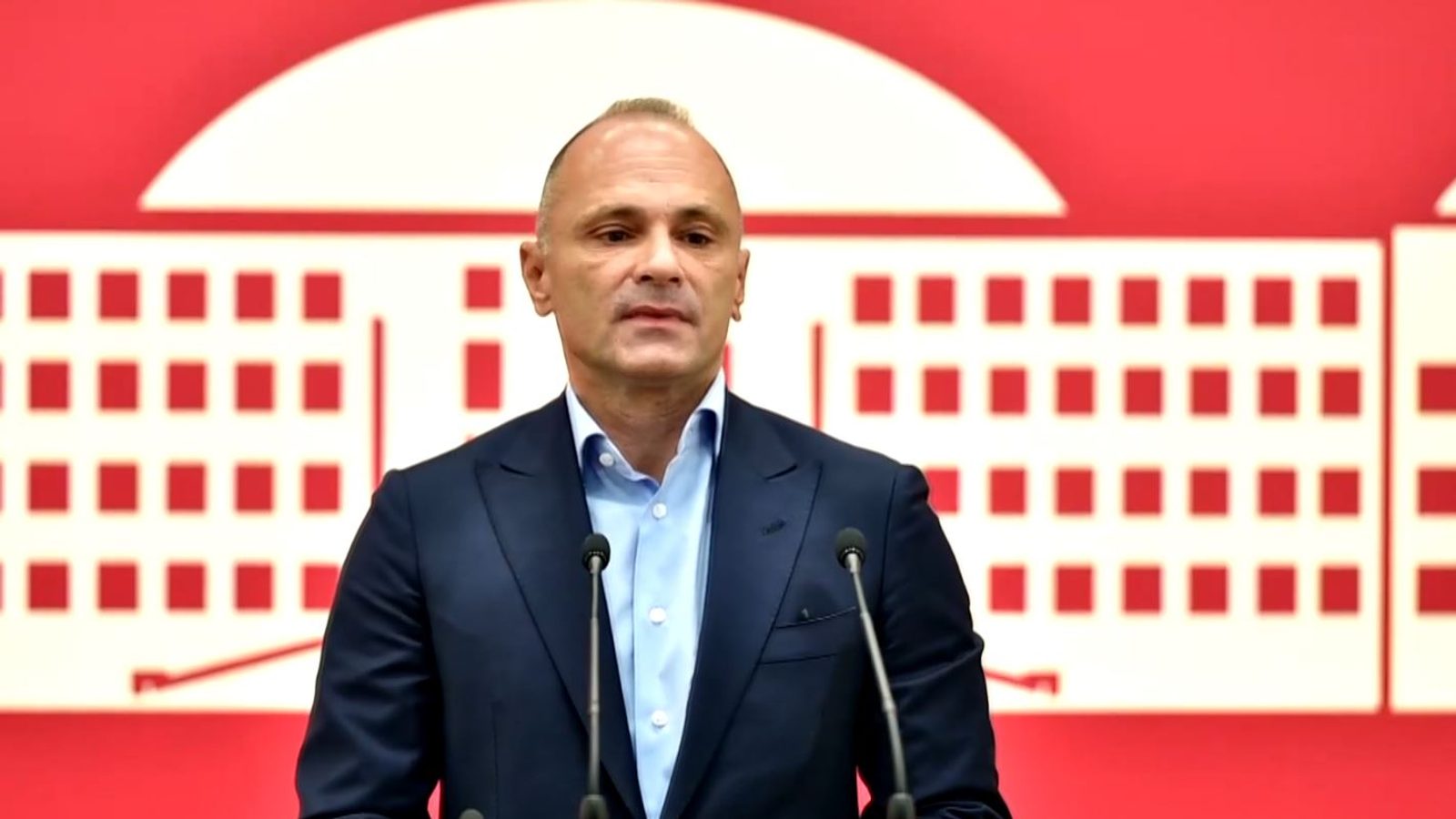
SDSM leader Venko Filipche sat down for a televised interview tonight to address a string of contentious issues that have dominated public debate: mutual criminal complaints over Alta Banka, questions about who authorised the entry of Macura's bank into the domestic market, and broader economic concerns including rising public debt and stalled capital projects.
Filipche criticised the government-opposition exchange of accusations around Alta Banka and asked why a bank associated with Macura — which he noted is in bankruptcy proceedings in Serbia — was allowed to operate here while being put up for sale. He also highlighted fiscal pressures ahead of the new budget, pointing to “increased public debt, unrealised capital investments, and interest repayments” as central problems the country faces.
Domestic politics and the EU track
On foreign-policy questions, Filipche warned that North Macedonia risks a "Greek scenario" and spoke about the party's role in attempting to resolve the dispute with Bulgaria. He discussed how much influence SDSM can exert to push through the reforms required on the path to EU accession and said the issue will remain a top priority in coming weeks.
The leader was also pressed on an internal party matter referred to as "12.05". Reporters asked how he plans to manage what has been described as a partisan challenge; Filipche responded by emphasising unity and the need for internal discipline while preparing for upcoming political tasks.
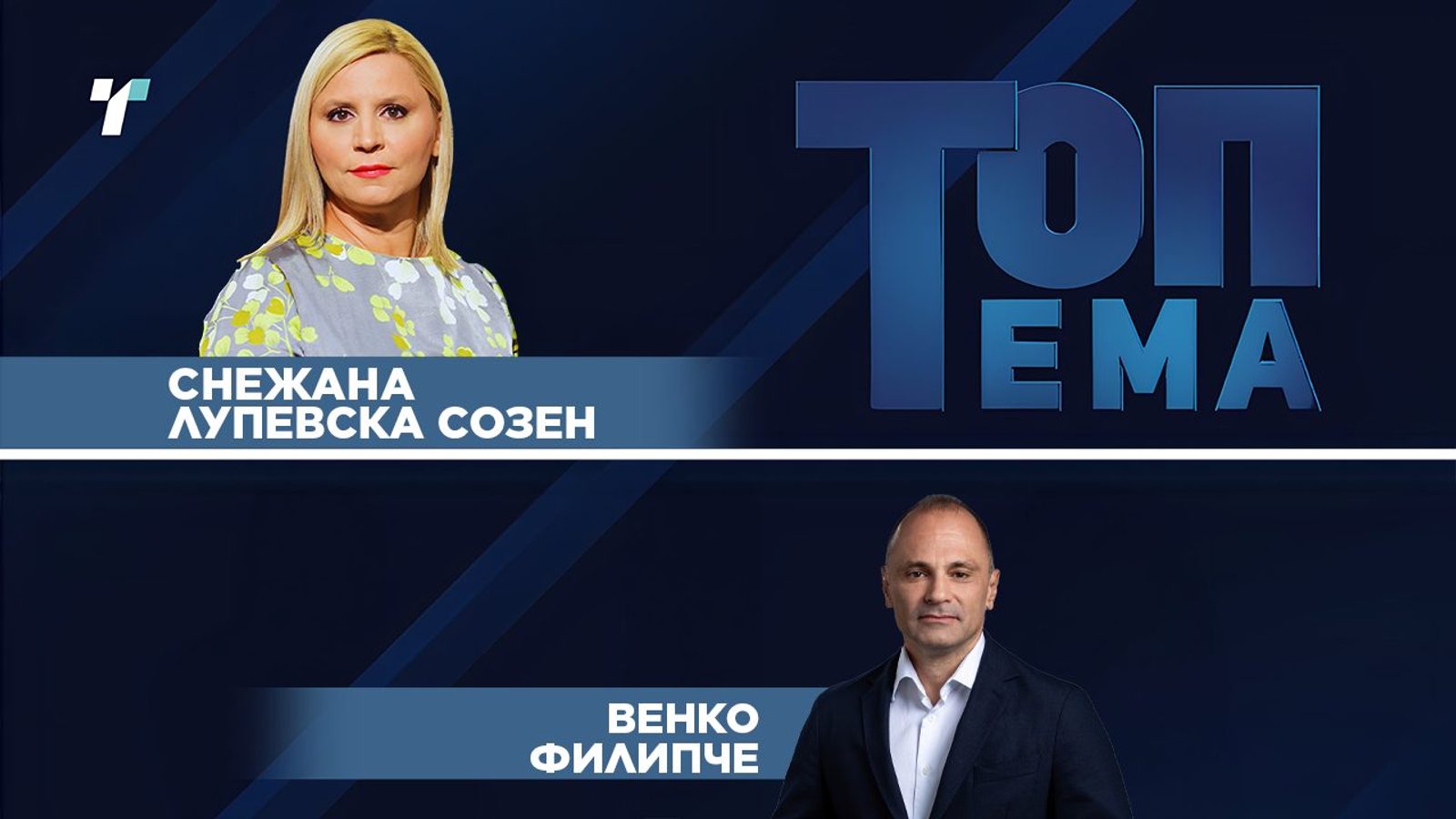
The interview was conducted by Snezana Lupevska Sozen and broadcast on the programme "Top Tema". Filipche's remarks combined critique of the current administration with a defence of his party's capacity to influence both domestic reform and international negotiations.
Photo: press material from the event