Iran and Trump clash over control of the Strait of Hormuz
Tehran and Washington issued contradicting statements about who holds sway over the strategic Strait of Hormuz, after fresh attacks on shipping and a collapsed temporary truce.
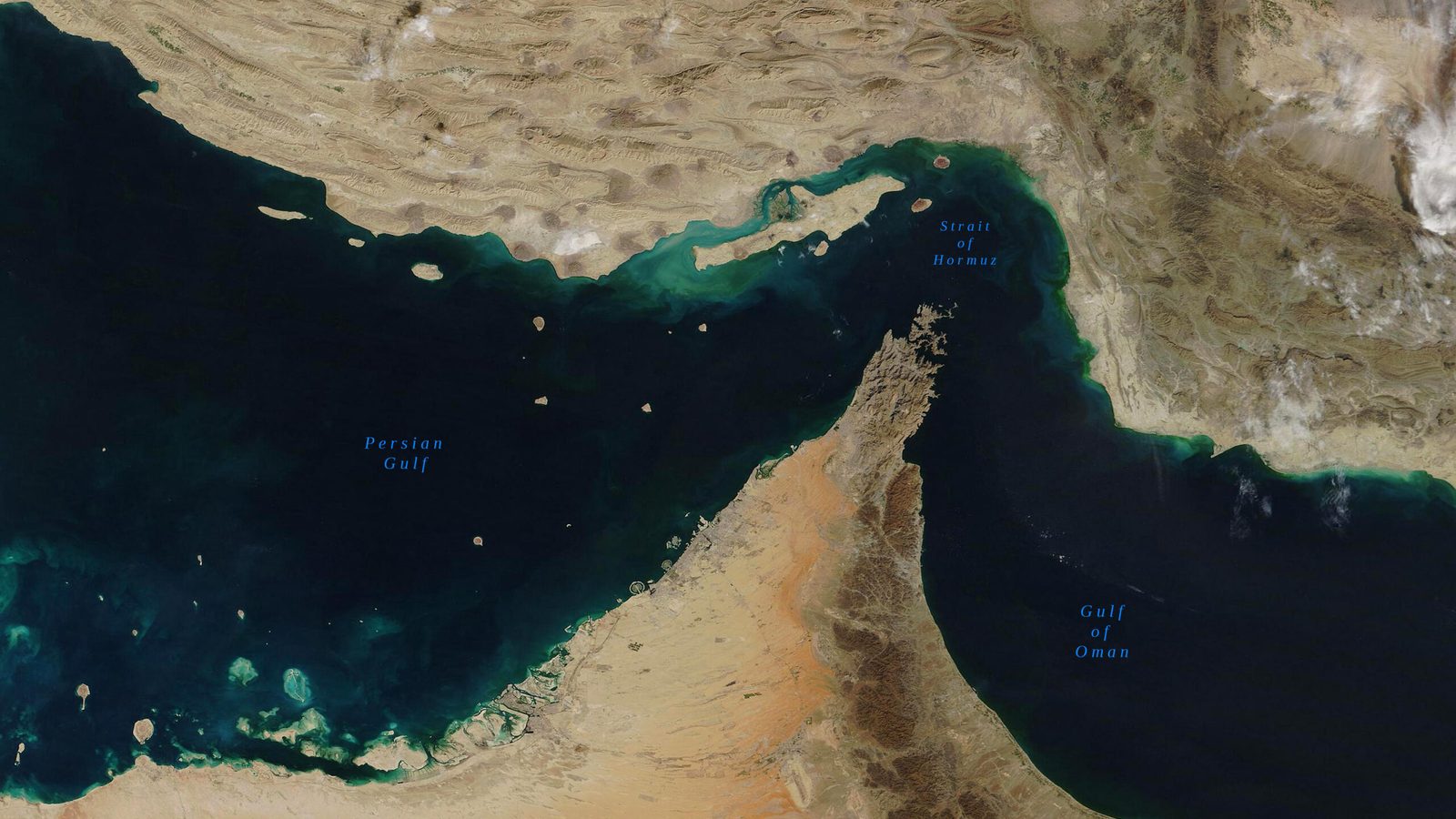
Iranian and American officials traded blunt and conflicting statements this week over who controls the Strait of Hormuz, raising tensions around the strategic shipping lane that links Persian Gulf oil exporters to global markets.
Hossein Taeb, commander of Iran’s paramilitary Basij force, declared that "The Strait of Hormuz is under the administration and control of the Islamic Republic, and our country continues on its path in full security. The Americans have felt the power of the Islamic Revolution," framing Tehran’s posture as one of firm ownership of the waterway.
Competing claims from Tehran and Washington
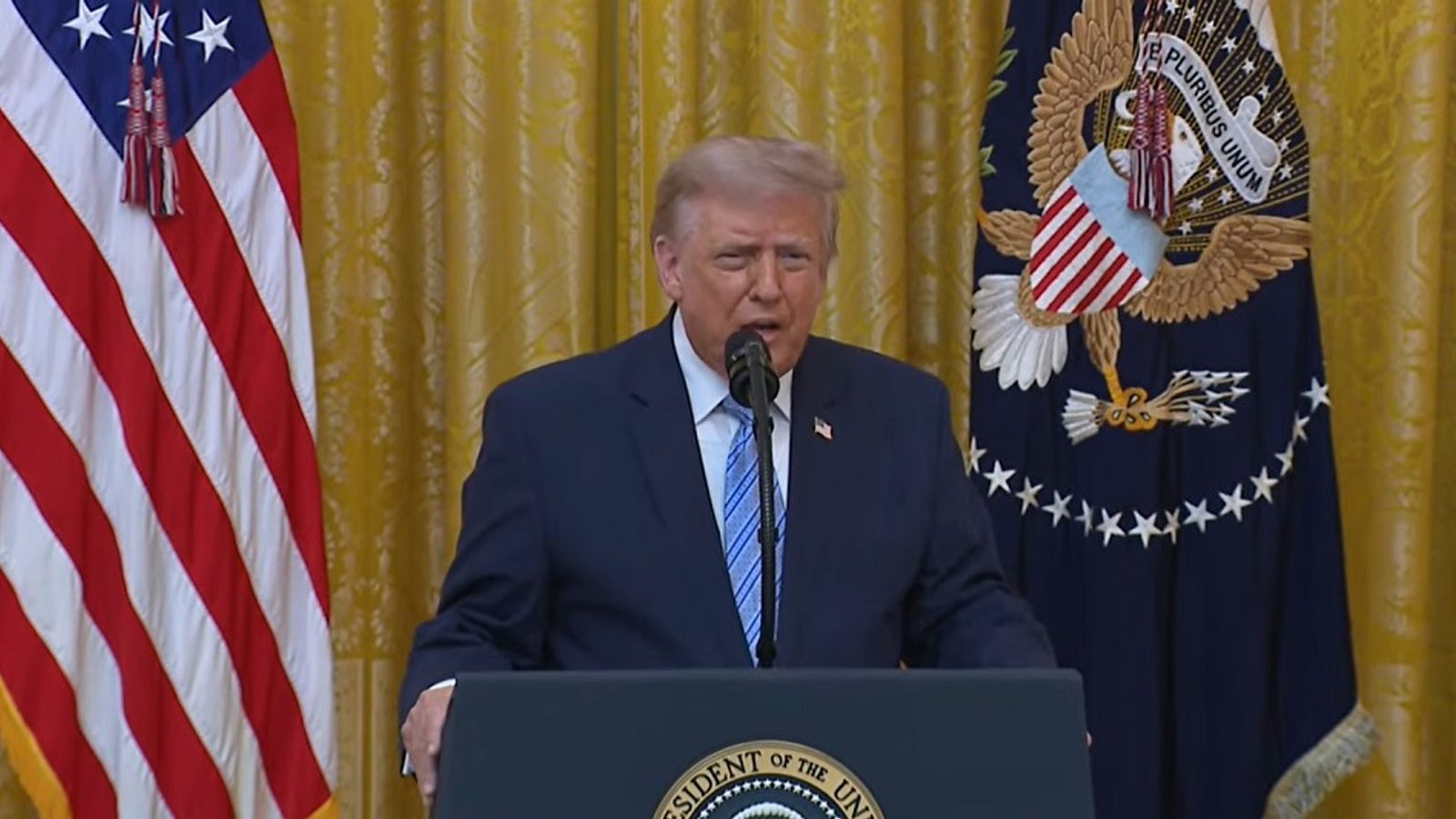
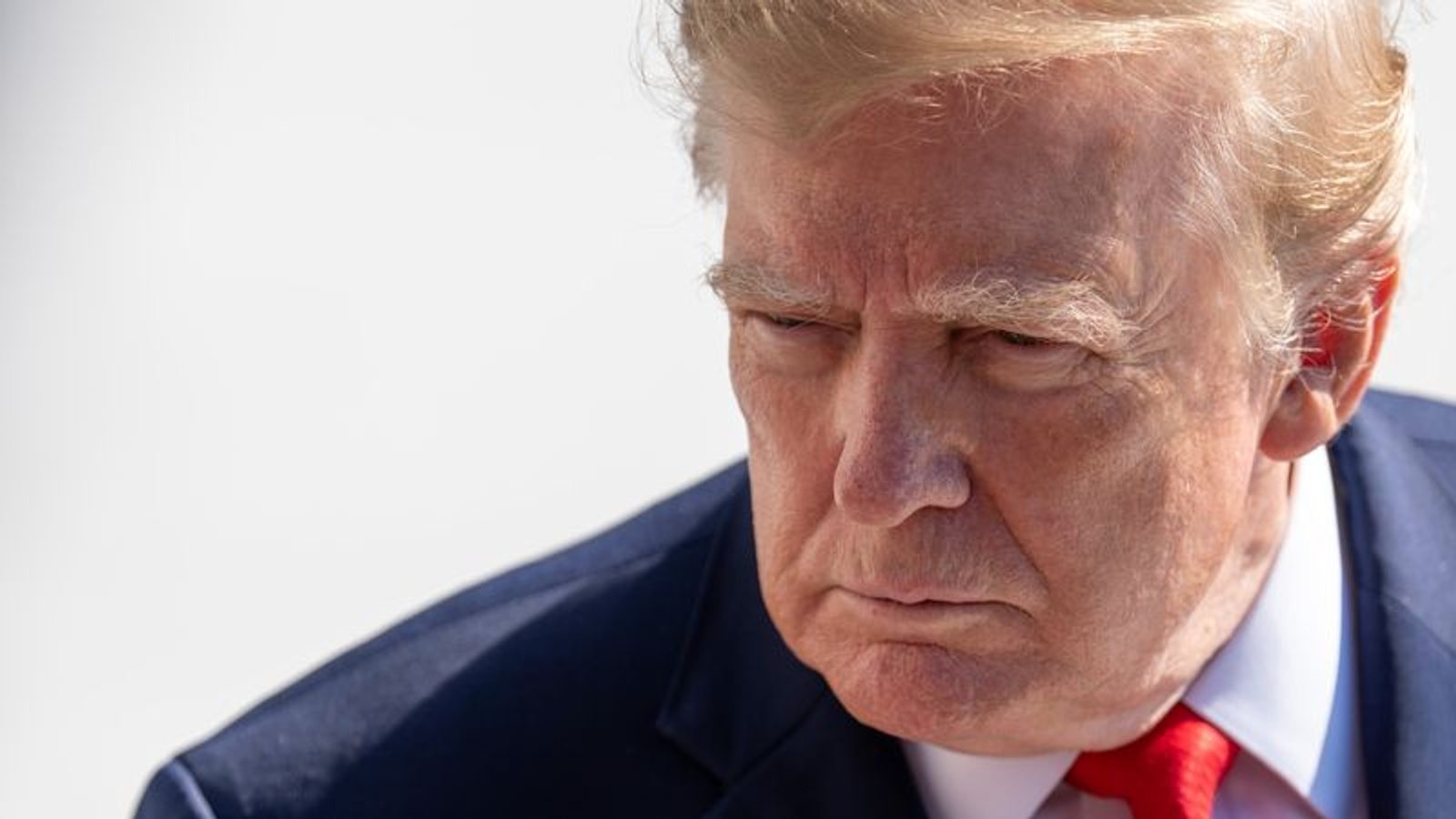
On his social platform Truth Social, former U.S. president Donald Trump posted an opposite assessment: "The United States of America has full control of the Strait of Hormuz. I think we will keep it! Our naval blockade everyone calls a 'wall of steel' and Iran can do nothing about it. They have no navy, no air forces, their remaining soldiers are unpaid, the IRGC is decimated and fleeing, and their 'leadership' is, at best, uncertain! They have no money — their country is destroyed. All they have is fake news and 300 percent inflation, which is worsening further," he wrote.
The rival statements come amid renewed attacks on commercial shipping in and around the strait, developments that stalled talks aimed at ending direct hostilities with Tehran. Iranian officials say the temporary ceasefire deal signed in June never truly took effect from their perspective and therefore there is nothing to extend; they also accuse the United States of violating the agreement within 48 hours of its announcement.
Tehran has warned the Strait will remain effectively closed until Washington accepts its conditions, which Iran lists as the release of frozen Iranian assets and a halt to regional hostilities — including in Lebanon and Gaza. Separately, U.S. forces have responded in some incidents, including strikes on a cargo vessel accused of trying to breach an Iranian blockade.
Analysts say public exchanges like those from Taeb and Trump serve both domestic and international audiences: Tehran signals capability and deterrence to regional rivals and domestic supporters, while Trump’s rhetoric underscores a posture of U.S. sea-power dominance and pressure on Iran’s economy and leadership. For now, the strait remains a flashpoint where diplomatic and military messages are broadcast loudly.
Photo: Claudia Weinmann / Alamy / Profimedia