Iran's ability to block Strait of Hormuz traffic weakens as Gulf oil exports increase
Vessel-tracking shows exports near 13 million barrels per day and flows recovered to almost 80% of pre-conflict levels.
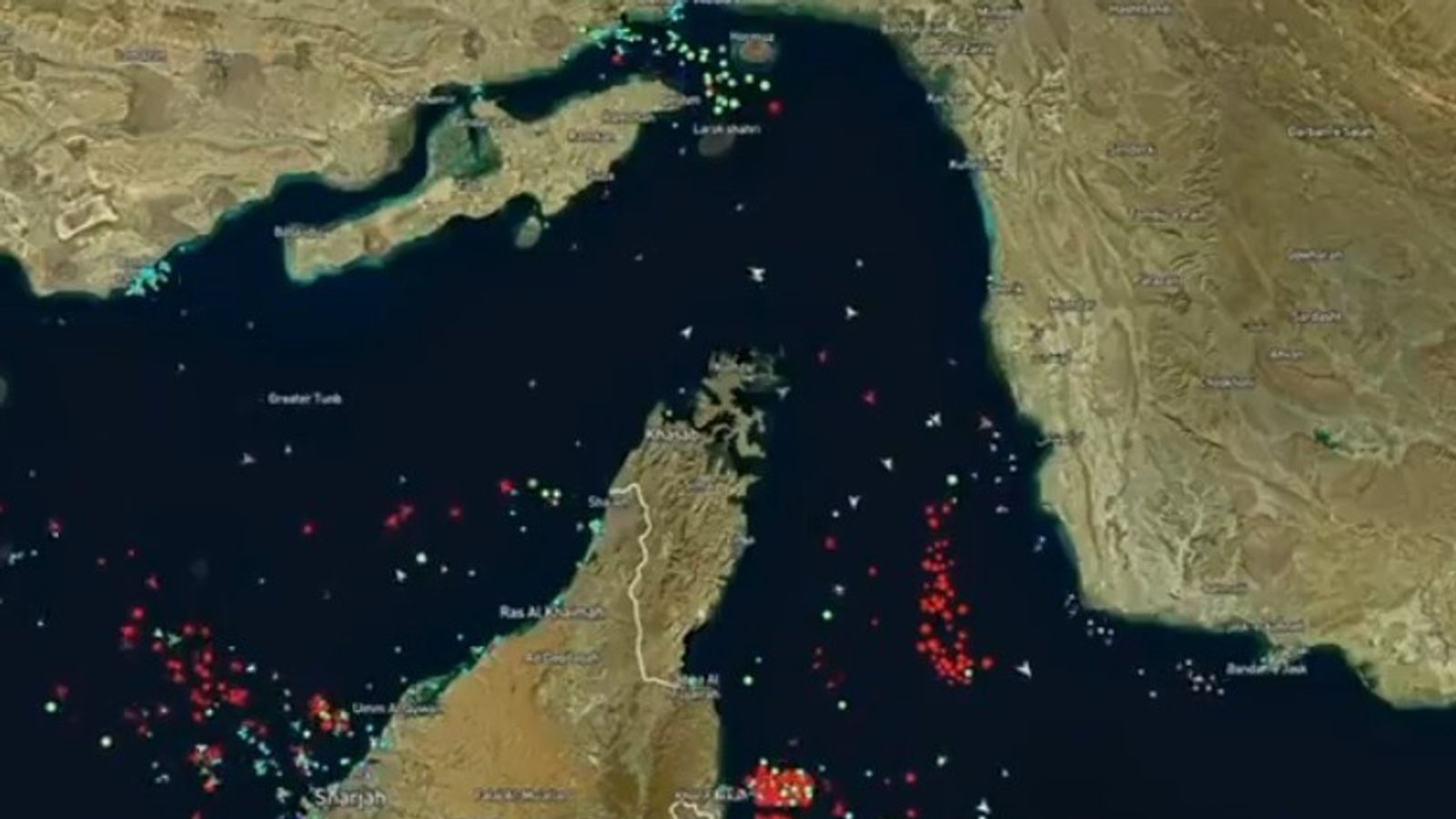
29 September 2026 — Iran’s capacity to disrupt oil shipments through the Strait of Hormuz and use that leverage in talks with the United States is weakening, raising concerns that Tehran could turn to military escalation to strengthen its bargaining position.
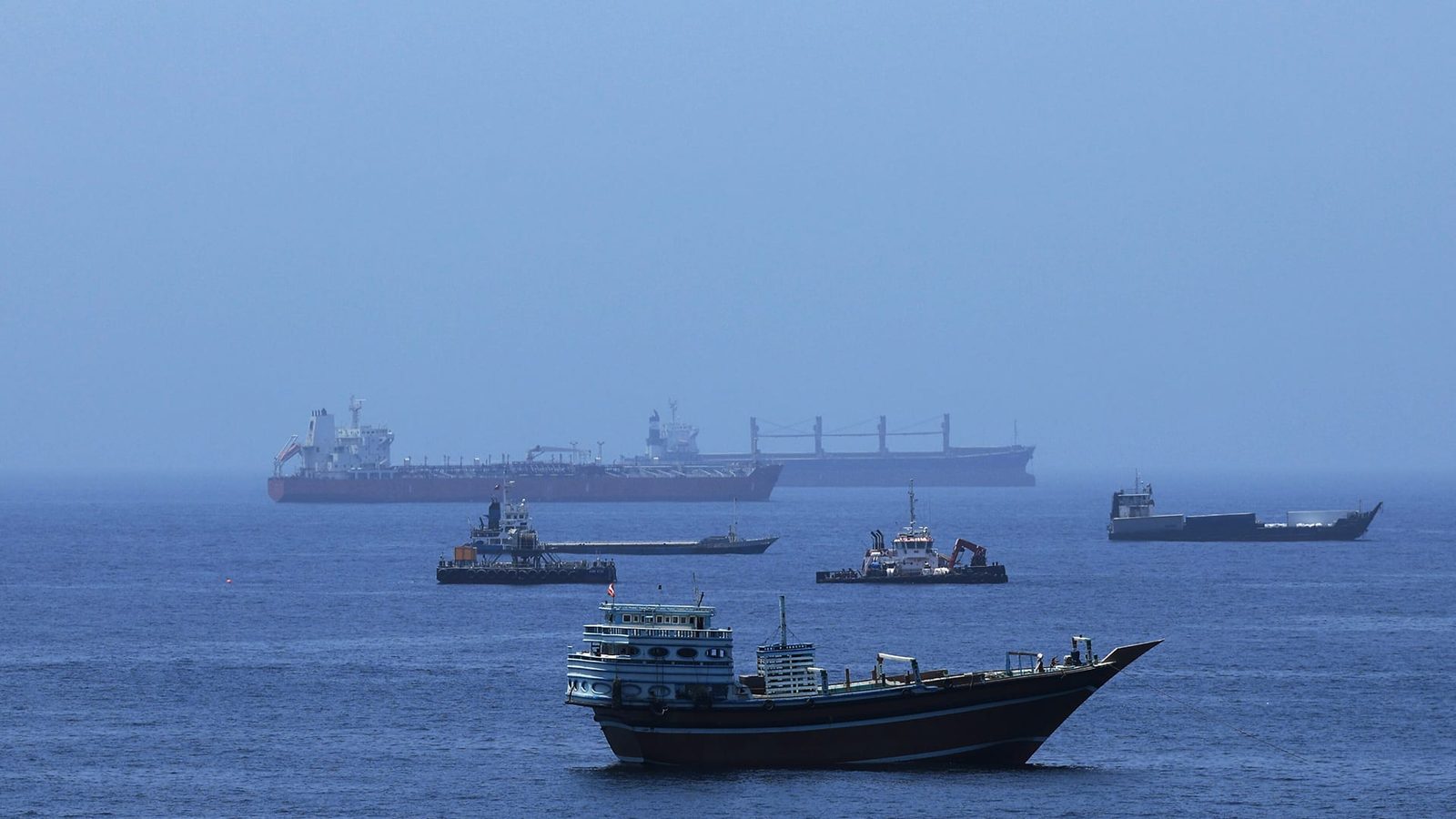
Deliveries of crude from the Persian Gulf — moving both through the Strait of Hormuz and via alternative routes — have recovered to roughly 80 percent of the regional flows seen before the broader Middle East conflict.
Exports climb to the highest level since February
Vessel-tracking data show that exports of crude from the Gulf’s main producers, including Saudi Arabia, Iraq and the United Arab Emirates, rose this month to nearly 13 million barrels per day, the highest level since February.
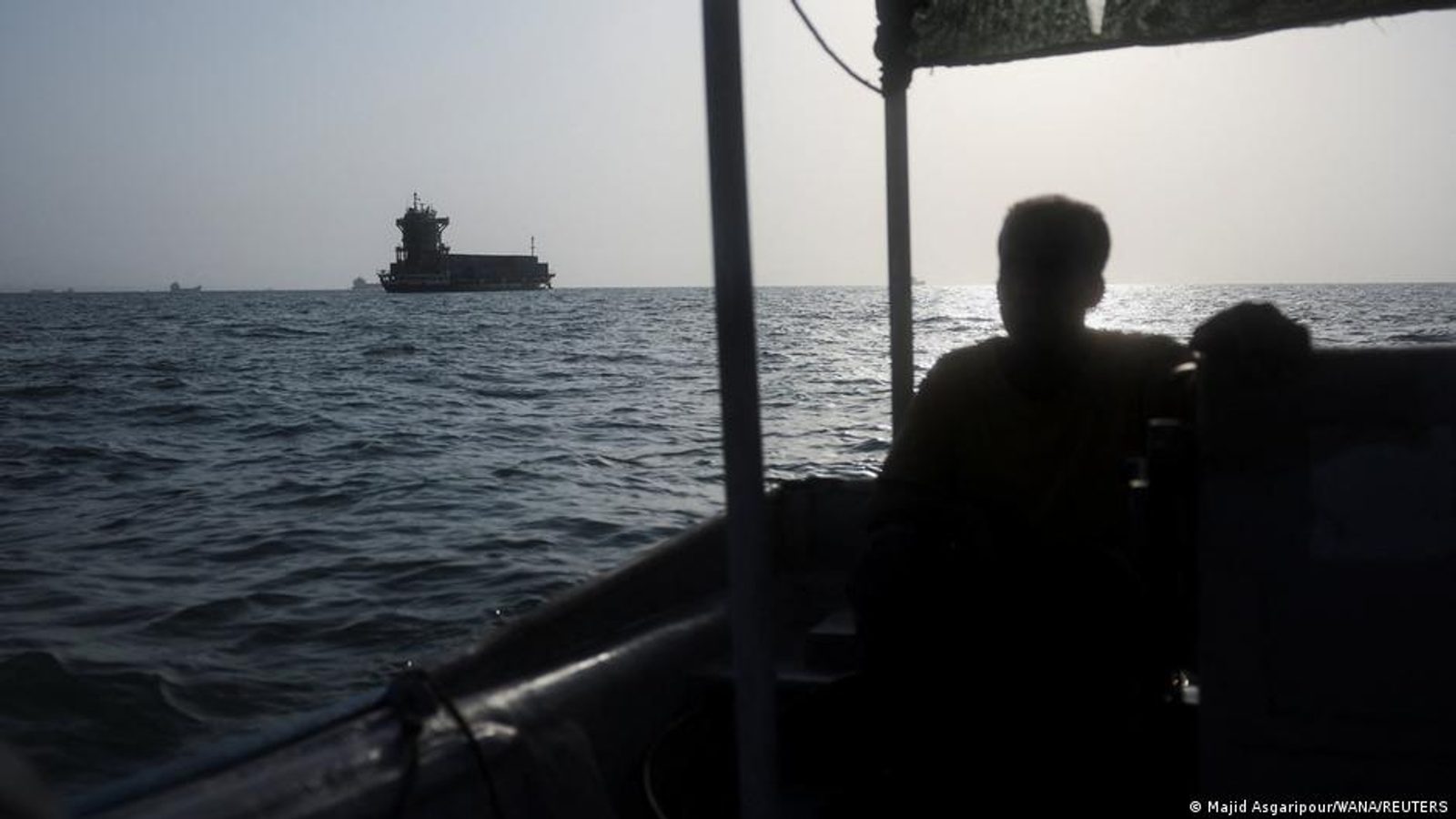
Improved defensive measures by the U.S. Navy and operational adjustments by Gulf producers have made it harder for Iranian attacks to stop or divert tankers, allowing a larger share of shipments to transit the strait.
Saudi Arabia restored flows through the East–West pipeline after repairs to damage attributed to Iranian drones, and also increased tanker movements via the Red Sea, though volumes there remain below previous levels. The supply uptick briefly pushed prices down, but market worries tied to stalled U.S.–Iran negotiations have tempered the recovery.
Photo: press material from the event