Iran: Strait of Hormuz will stay closed until US fulfils June deal conditions
Tehran says the waterway will stay closed until Washington meets a list of demands tied to ports, oil exports and frozen funds.
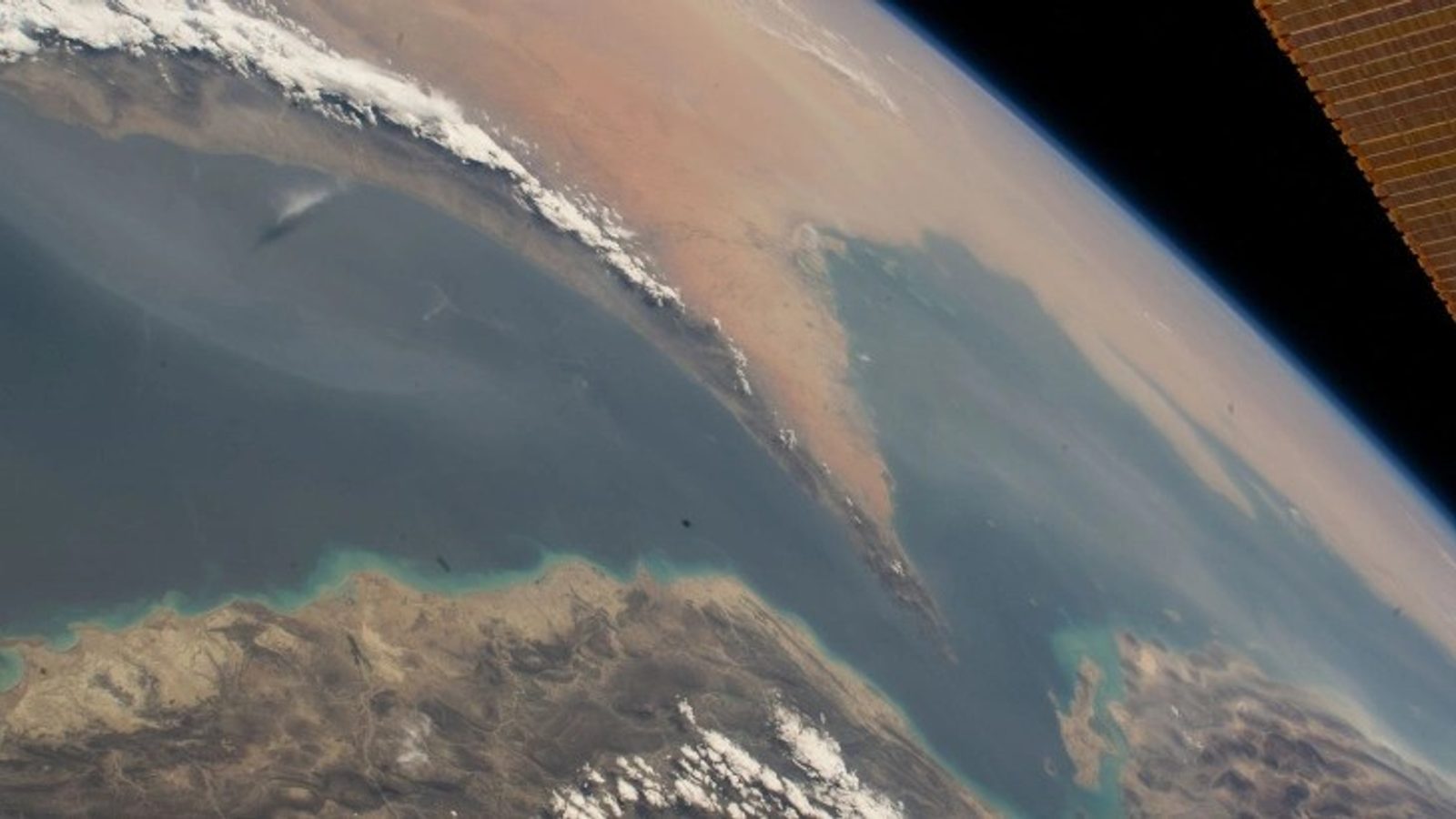
The strategically vital Strait of Hormuz will remain closed to commercial traffic until the United States fulfils all the conditions Tehran set in the interim agreement signed in June, Iran's chief negotiator Mohammad Baqer Qalibaf told the Iranian parliament.
Qalibaf spelled out Tehran's demands: a full end to the American blockade of Iranian ports; removal of all sanctions tied to Iranian oil exports; the unfreezing and release of Iran's frozen financial assets; and an immediate halt to all threats and military operations on every front.
Background and timeline
The memorandum of understanding was signed on 17 June with a 60‑day timeframe and the possibility of extension, intended to open talks on a broader settlement over Iran's nuclear programme and other outstanding issues. The agreement quickly unraveled over a deep dispute about control of the Strait of Hormuz — a key maritime artery that before the outbreak of hostilities carried around one‑fifth of the world's trade in crude oil and liquefied natural gas.
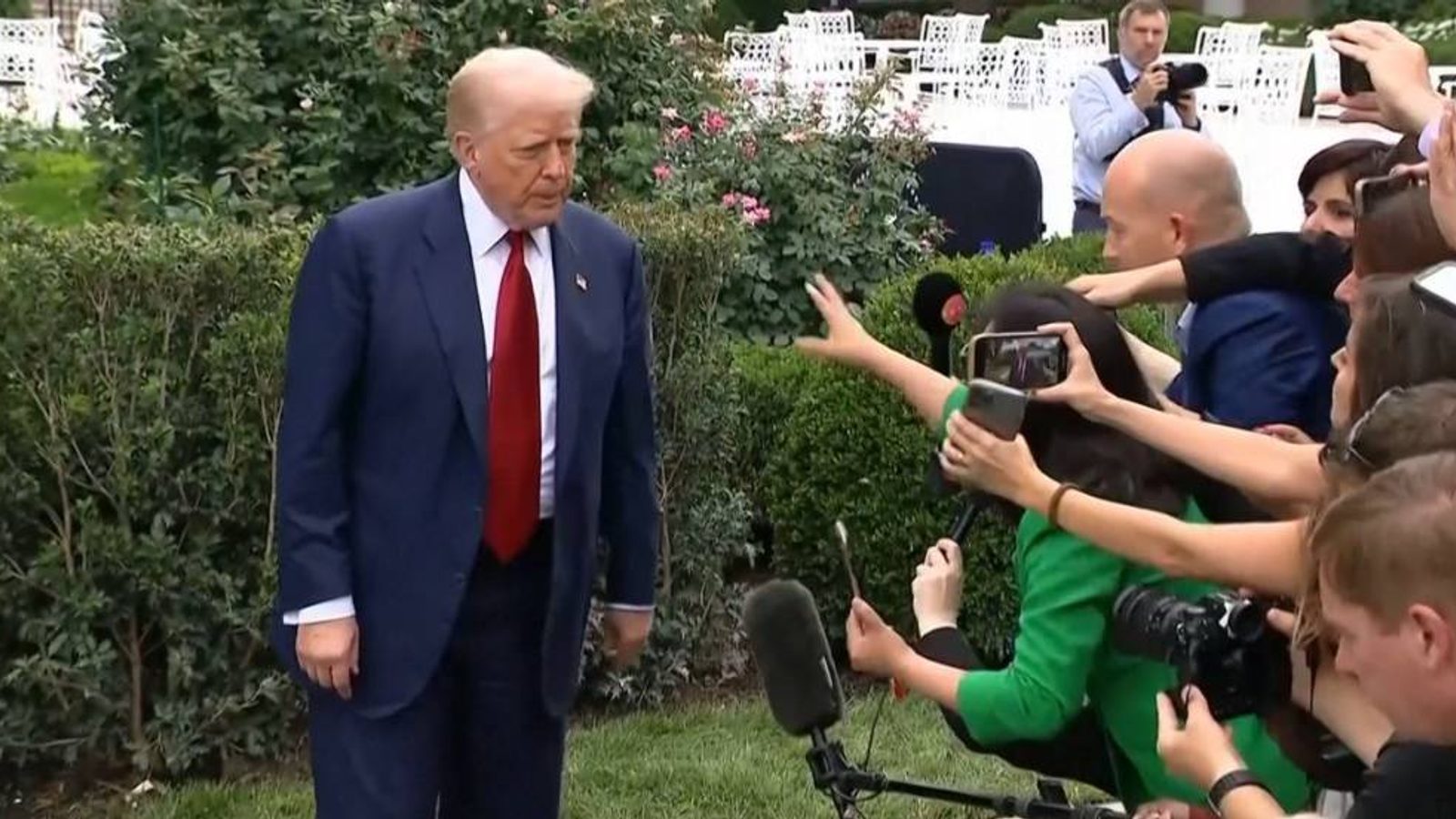
After tensions escalated, U.S. President Donald Trump said on 7 July that "it's over." A week later Iran's Ministry of Foreign Affairs officially declared the memorandum "suspended."
Separately, a senior Iranian official warned yesterday that Iran would move to "full offensive actions" if diplomatic efforts remain deadlocked, signalling a potential escalation in the military confrontation.
The closure of the Strait of Hormuz — even if presented as leverage in negotiations — raises immediate concerns for global energy markets and for international efforts to restart diplomacy. With key conditions still unmet, Tehran's posture leaves the interim deal in limbo and the region on edge.
Photo: press material from the event