Iran uses secret network to import arms and components despite sanctions
From January 2025 to June 2026 more than 5,000 entities supplied at least $2 billion in arms and components to Iran despite sanctions and a U.S. blockade.
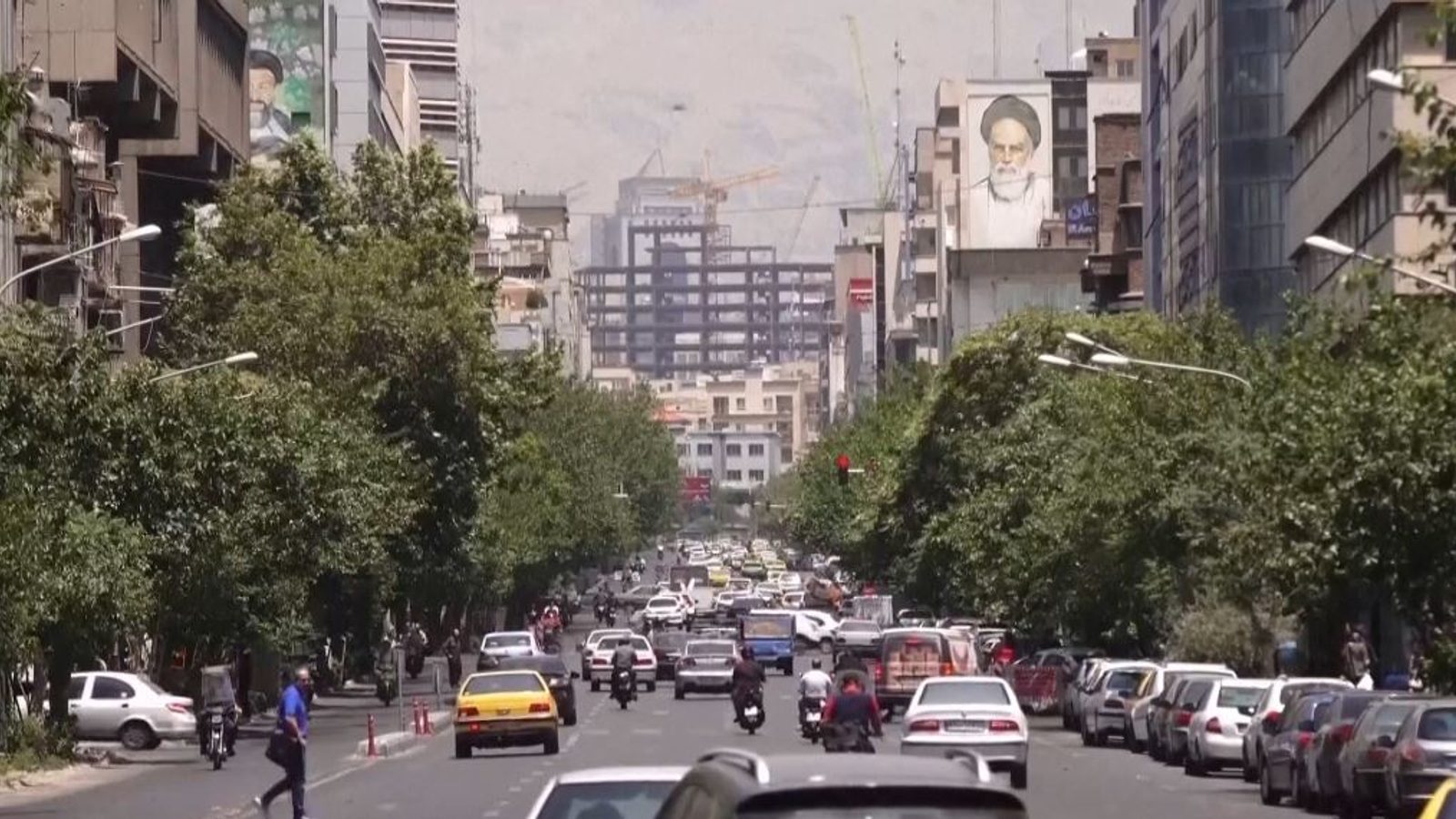
An independent investigation found that Iran built an extensive covert procurement network of more than 5,000 military entities to acquire weapons, explosives, rocket and drone components, and heavy cargo vehicles — circumventing Western sanctions and a U.S. maritime blockade.
Between January 2025 and June 2026 the network imported military materiel worth at least $2 billion from China, Russia and European countries. The documented shipments included hundreds of Iveco trucks, Toyota vehicles, chemicals for rocket fuel, explosives and parts for aircraft engines.
How the network operated
Agencies tied to the Ministry of Defense and Logistics of the Armed Forces used intermediaries and foreign companies to carry out purchases and move payments outside normal banking channels. Deliveries were routed through the Caspian Sea, overland corridors from Central Asia and by cargo flights from China.
Shipments continued during active hostilities, despite U.S. strikes and restrictions on maritime traffic. Experts quoted in the investigation say the flows allowed Iran to replenish and expand its missile capabilities, highlighting the limits of international sanctions in preventing military procurement.
The findings underscore the difficulty of enforcing sanctions when procurement is dispersed across thousands of front companies and relies on alternative logistics routes and non-bank financial transfers.
Analysts warn the pattern raises fresh questions about how to tighten export controls and surveillance of dual-use items and transport chains that can be repurposed for military programs.
Photo: press material from the event