Iran Bets It Can Outlast Trump with Calculated Escalation around the Strait of Hormuz
Tehran increases pressure on shipping routes and energy capacities to strengthen its bargaining position over the Strait of Hormuz.
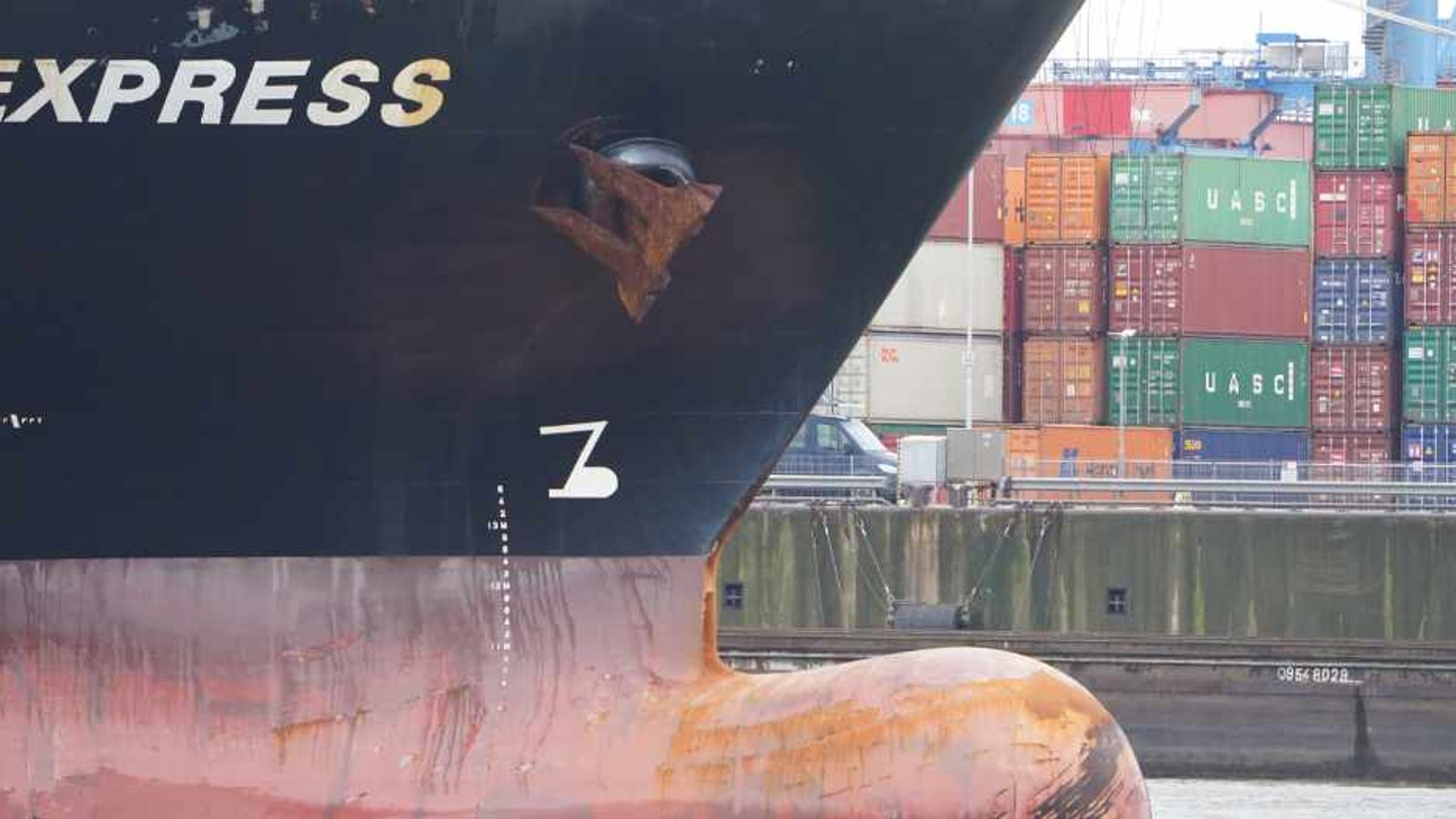
Tehran is applying a strategy of calculated escalation to create sustained pressure on the United States and its allies, turning trade routes, maritime corridors and the Middle East's energy infrastructure into pressure points, analysts and Gulf officials say.
Rather than seeking a direct military confrontation, Iran's leadership is widening the confrontation while carefully avoiding a move into all-out war. Analysts estimate the goal is to force Washington to conclude that continuing the crisis will do more damage than accepting a greater Iranian role in managing the Strait of Hormuz.
Threats to shipping routes and energy capacities
With threats against multiple sea passages and energy facilities, Tehran is trying to strengthen its negotiating position. Analysts point out that Iran's most powerful tool is not a direct attack on the United States or Israel, but the ability to inflict damage on regional economies and global markets.
After disruptions to shipping through the Strait of Hormuz — where, before the heightened tensions, roughly one-fifth of the world’s oil passed — signals are emerging that no maritime corridor is completely safe. New threats in the Red Sea and against Saudi energy facilities are testing Washington’s limits of tolerance, while Iranian military commanders believe expanding the crisis could give them greater leverage in negotiations.
Oman has proposed, with the backing of Gulf states, a plan to manage the waterway that would include voluntary transit fees. Iran, however, insists on administrative authority over the strait and the right to charge for services, which the United States deems unacceptable because it insists the route remain international and free for navigation.
In response to threats outside the Strait of Hormuz, regional and Western powers have formed a maritime defense coalition led by Saudi Arabia, whose priorities are escorting commercial vessels, intelligence-sharing and protecting sea lanes rather than direct military confrontation with Iran.
Essentially, it is a battle of endurance. Tehran's leadership believes it can withstand economic pressure longer than the U.S.-led coalition can tolerate prolonged disruptions to global trade and energy markets. So far, attempts to reduce tensions have often been met with further escalation, increasing the risk of an uncontrolled conflict.
Photo: DPA)