Wars in Iran and Ukraine and a strong El Niño threaten global food security
Conflicts in Ukraine and around Iran, combined with a potentially very strong El Niño, threaten supplies of staple crops and could push food inflation higher worldwide.
Two simultaneous shocks — armed conflicts in Iran and Ukraine and a potentially very strong El Niño — are raising the risk of a sharper global food crisis by the end of 2026, analysts warn. NOAA estimated in early July that there is a 63 percent chance this El Niño will be "very strong," and financial forecasters say the combination of extreme weather and higher energy prices could push food inflation higher worldwide.
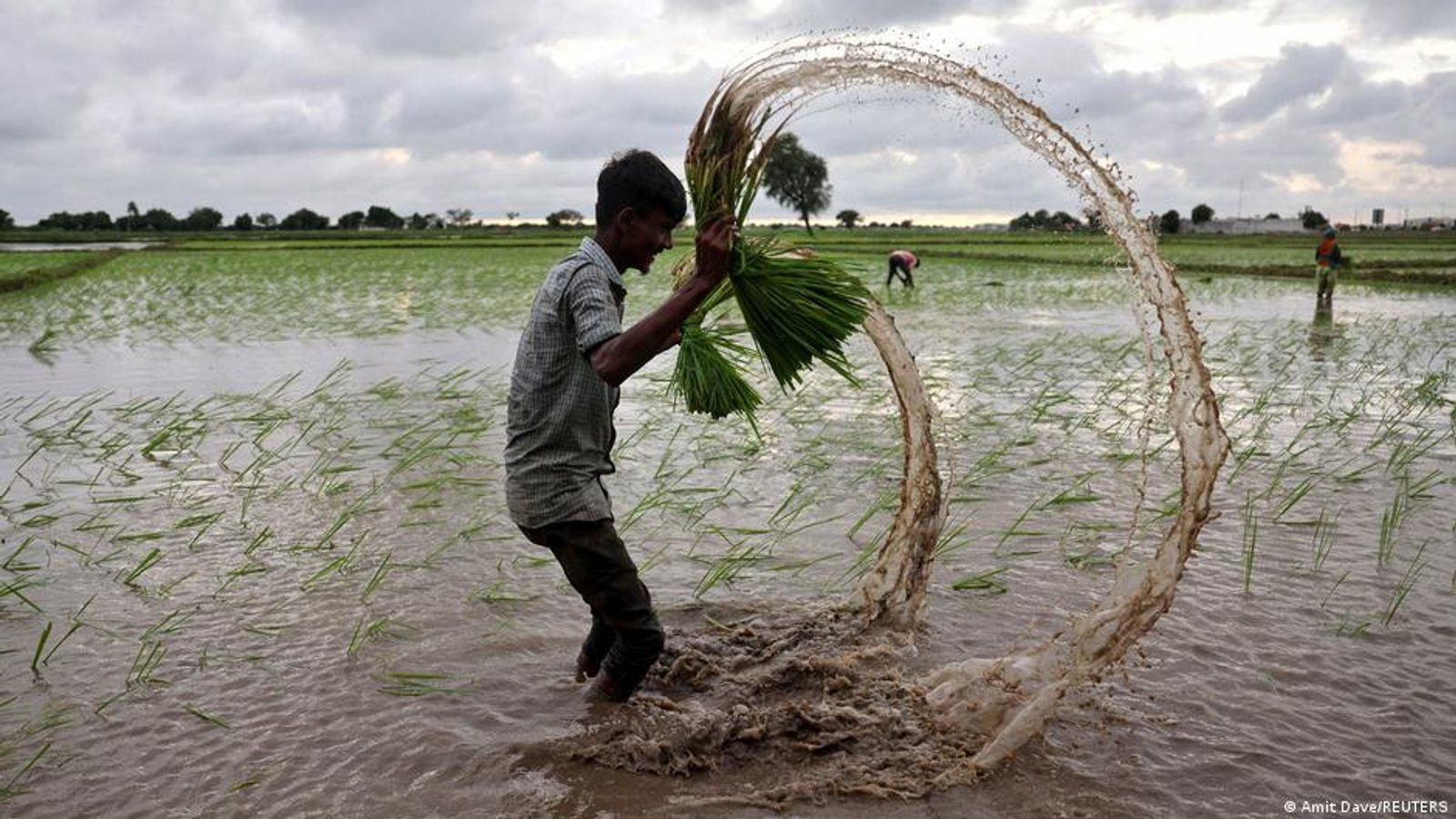
El Niño alters rainfall and temperature patterns across major growing regions and is already expected to reduce harvests of staple crops in several vulnerable areas. The World Bank has warned that rice output in affected zones could fall by 20 to 50 percent, while J.P. Morgan recently cautioned that El Niño together with oil at $100 per barrel could raise food inflation by as much as 1.5 percent.
A triple shock to global food security
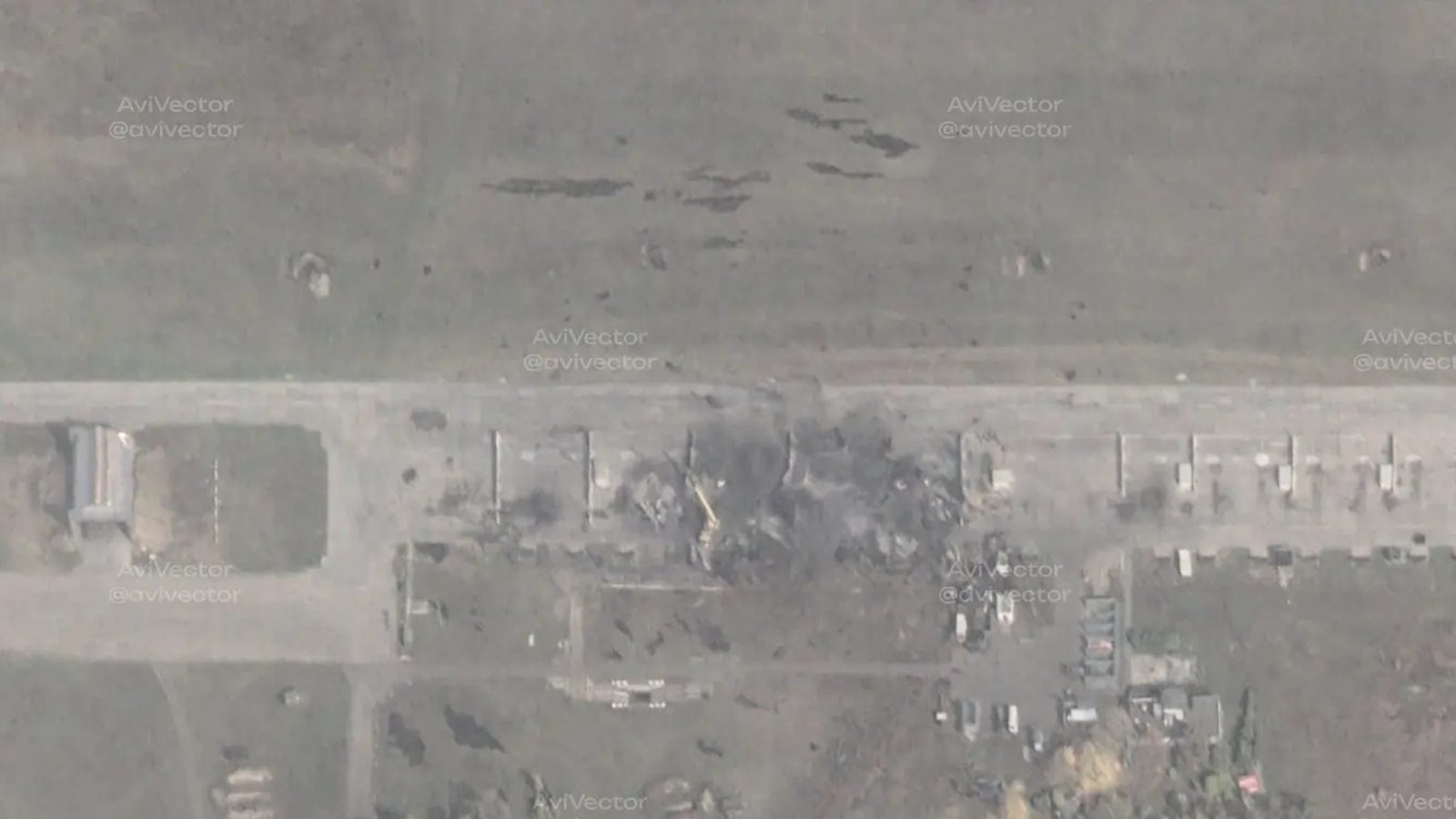
The war in Ukraine continues to disrupt one of the world’s main grain export regions: repeated strikes on ports and arable land have weakened an important global breadbasket. At the same time, conflict involving Iran has pushed up energy and fertilizer prices and produced intermittent supply disruptions for nutrients that farms worldwide rely on.
Those pressures arrive as El Niño threatens to weaken key planting seasons. "We are very concerned about El Niño and the delayed monsoons in India," said Maximo Torero, chief economist at the Food and Agriculture Organization of the United Nations (FAO). India accounts for almost one third of global rice production, and local reporting indicated roughly 40 percent below-normal rainfall in June, a sign the seasonal monsoon could be curtailed.
FAO and other agencies consider the greatest El Niño-related risks to be the Sahel, southern Africa, Southeast Asia and the Dry Corridor of Central America. The UN agency this month warned that some of these regions face more than a 50 percent probability of drought in the coming months.
Despite geopolitical strains, global cereal output reached a record high last year and this year’s harvest is still expected to be the second-largest on record. "These improvements have helped sustain food production and reduce undernourishment. They have softened some local consequences of conflicts," said Simone Bunze, senior researcher at the Stockholm International Peace Research Institute (SIPRI).
Still, acute food insecurity remains severe: the United Nations reports 266 million people are presently facing acute hunger. Conflict zones — including the Democratic Republic of the Congo, Sudan and Yemen — make up two thirds of the countries where acute hunger is concentrated in UN analyses. Bunze warned that warring parties often destroy farmland, livestock, water systems, food warehouses and transport routes, undermining market access and impeding humanitarian aid.
Additional vulnerabilities include fertilizer supply lines — about one third of global fertilizer normally transits the Strait of Hormuz — and energy costs: analysts say if oil prices climb back above $120 per barrel, if Ukrainian grain exports are blocked, or if El Niño sharply reduces plantings and yields, the world could see renewed rises in hunger. Berkeley Earth has cautioned the Pacific could warm by about 3.6 °C this season, a change that would make this El Niño among the strongest on record, while J.P. Morgan estimates that, in a worst-case alignment of factors, food inflation could exceed 5 percent in 2027.
Photo: press material from the event