Saxony-Anhalt election: AfD near record support, CDU under pressure
Polls showed AfD near record levels while economic worries and opposition to federal pension reforms weighed on the CDU.
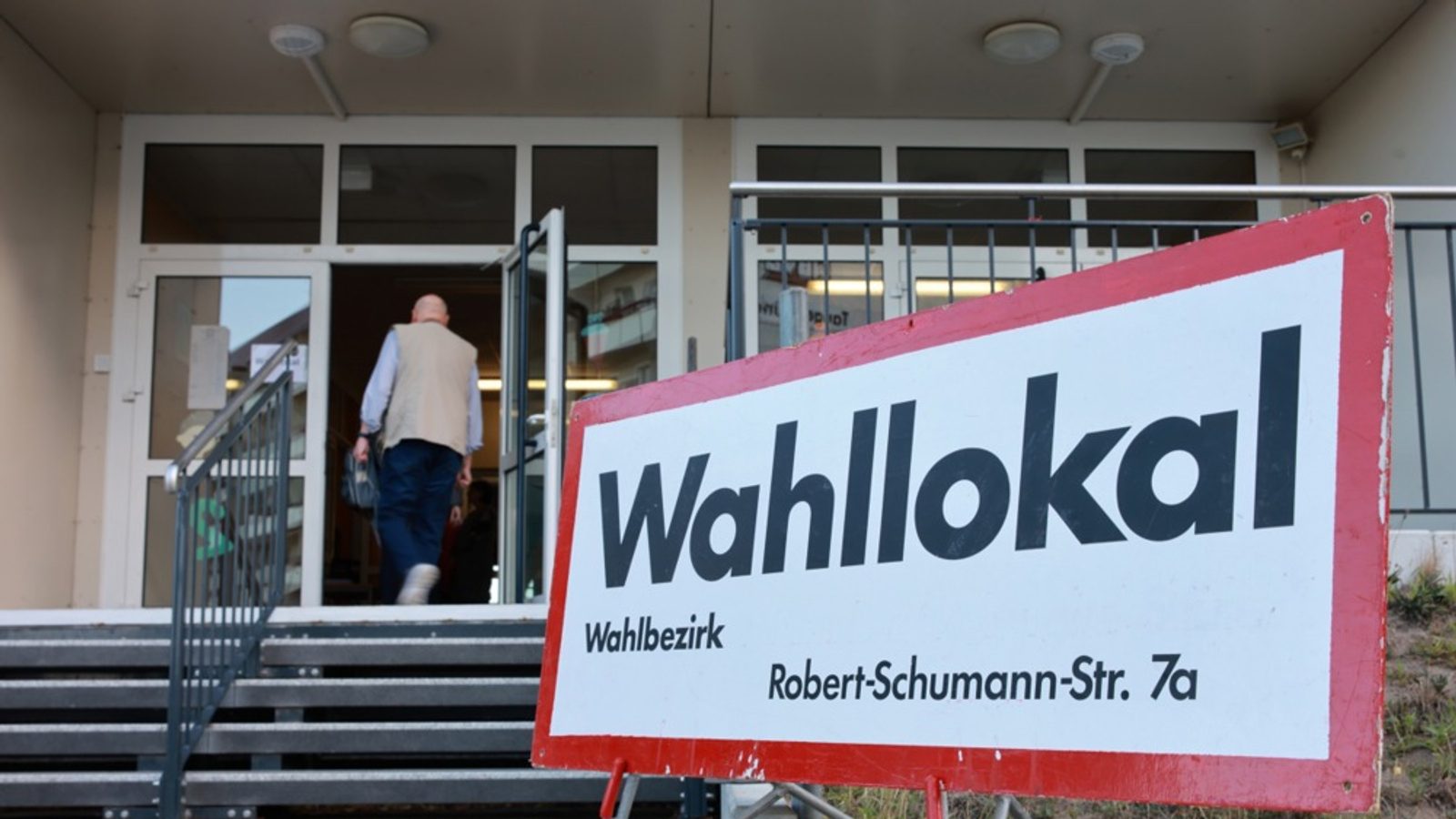
Voters in Saxony-Anhalt went to the polls amid signs of a sharp rise for the Alternative for Germany (AfD) and mounting dissatisfaction with the federal government of Chancellor Friedrich Merz. Around 1.7 million eligible voters decided the composition of the state parliament and, indirectly, which party will lead the next regional government.
Polls pointed to a possible AfD record but election-day surprises remain likely
Pre-election surveys in recent weeks showed diverging trends: an ARD-ZDF polling average placed AfD support as high as 42 percent in a late-August survey, while Infratest dimap found the Christian Democratic Union (CDU), which has governed the state since 2002, at about 22 percent. Pollsters warned, however, that Saxony-Anhalt often produces unexpected results because turnout is low and many voters decide at the last minute.
That volatility matters for coalition math. The AfD could achieve its best-ever result in a state election and, in theory, might command a plurality large enough to lead a majority, although no poll to date showed a concrete governing coalition under AfD leadership. The CDU may need votes from The Left to reach a majority, a situation reminiscent of recent dynamics in Thuringia.
Personal ratings mirror party fortunes. AfD lead candidate Ulrich Zigmund received positive assessments from 37 percent of respondents, slightly behind CDU’s Sven Schulze on 38 percent. If voters were choosing a minister-president directly, 46 percent said they would back Schulze and 40 percent Zigmund. AfD national co-chairs Alice Weidel and Tino Chrupalla posted positive ratings of 36 and 29 percent respectively; SPD co-leaders Lars Klingbajl and Berbel Bas had 16 percent each. Federal Chancellor Friedrich Merz was rated positively by only 9 percent.
Economic worries, rising prices and concerns about planned federal pension and social reforms dominated voters’ motives. Only 13 percent said they felt optimistic about Germany’s outlook while 82 percent reported concern. Social security and pensions were cited as the main reason for vote choice by 25 percent of respondents; Saxony-Anhalt has one of the oldest electorates in Germany, with more than half of eligible voters already retired or near retirement.
Beyond the state ballot, the result is expected to send broader signals for national politics ahead of votes scheduled in Berlin and Mecklenburg-Vorpommern in the coming weeks. Polling trends in Saxony-Anhalt have largely tracked the ARD Deutschlandtrend since the summer of 2025, reflecting a wider pattern of CDU disappointment and AfD growth.
Photo: press material from the event