How to cut household electricity use: practical tips to lower bills and CO2
Concrete changes — laptops, shorter showers, LEDs and smarter appliance use — and the exact savings they can deliver.

As days shorten and temperatures drop, households tend to use more electricity for lighting, entertainment and hot water. That increases both bills and carbon dioxide emissions. Here are practical areas where small changes add up — and the exact savings to expect.
Where the biggest savings come from
In many homes the largest share of electricity goes to communication and entertainment: televisions, desktop computers, game consoles and related equipment — nearly one third of household electricity consumption. Switching from a desktop computer to a laptop can cut emissions by up to 25 kilograms of CO2 and save around €25 per year. Tablets and phones consume even less.
Further reductions of about ten percent are possible by dimming screens and putting devices into sleep mode quickly. Unplug charging cables when not in use and consider turning off Wi‑Fi overnight or during long absences. The biggest environmental impact comes from production and disposal, so "do not replace your phone or computer with the newest model; use them as long as possible, dispose of old devices properly and preferably buy used ones."
Hot water is another major drain. A water‑saving shower head reduces flow and therefore the amount of hot water to heat. Someone who showers three times a week can save on average 126 kilograms of CO2 annually — and about €72 — by fitting a water‑saving shower head; if the water is heated with natural gas, the savings are 88 kg CO2 and €21. Washing hands with cold water saves energy and CO2 and is hygienically sufficient as long as "washing with soap should last at least 20 seconds, regardless of temperature." According to the German Federal Environment Agency, washing hands with hot water leads to an average 141 kg of CO2 emissions per year, based on 14 handwashes per day, 2 litres each, with electric heating.
Household appliances are the second largest electricity consumers. Washing machines, dryers, refrigerators and freezers account for about one quarter of home electricity use. Check continuous‑run appliances: for a refrigerator it only makes environmental sense to replace it if it consumes more than 240 kWh per year, and for fridge‑freezers the threshold is 340 kWh per year. New top‑rated models can offset the environmental impact of production and disposal over time; manufacturer consumption figures are often more informative than simple efficiency labels.
Lighting represents about 13 percent of household electricity. LED bulbs are over 80 percent more energy efficient than incandescent lamps and last five times longer than conventional energy‑saving bulbs. Replacing a 60‑watt bulb with an LED saves on average €21 and 24 kg CO2 per year; replacing an energy‑saving (CFL) lamp saves about €2 and avoids around 3 kg of greenhouse gases annually. Although LEDs have a higher upfront cost, they cut emissions significantly.
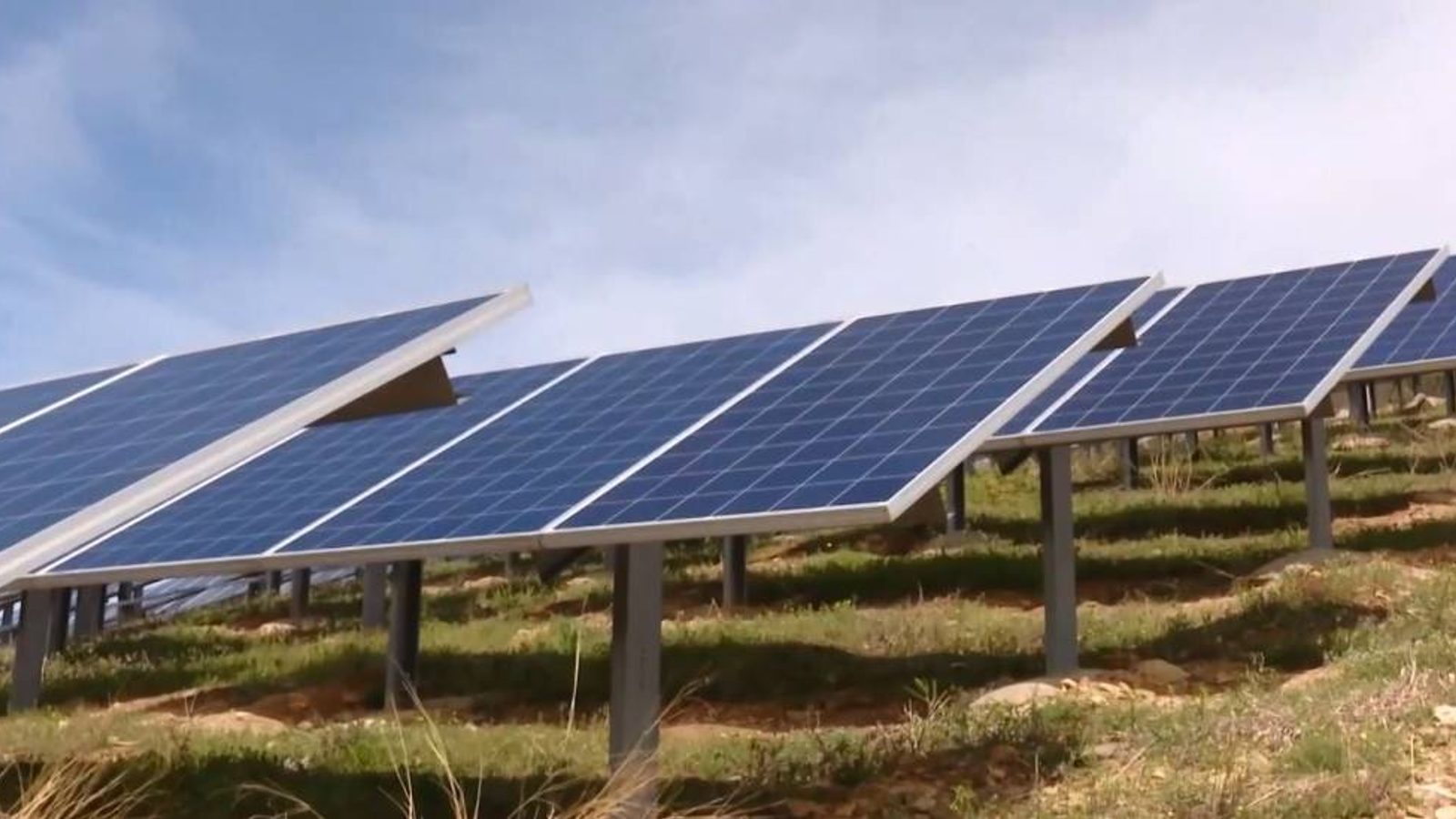
Finally, buying electricity from genuine green suppliers — those that invest in new wind or solar capacity — reduces household greenhouse gas emissions substantially. The German Federal Environment Agency estimates that a single household with 47 square metres of living space saves about 710 kg of greenhouse gases per year, while a three‑person household saves about 1,470 kg, assuming water heating is electric. Tools and indicators such as dynamic tariffs, the Peakpick portal and the Fraunhofer 'solar traffic light' can help households use power when the grid is especially green — for example, charging an EV or running appliances when there is abundant renewable generation.
Photo: press material from the event