UN secretary‑general hopefuls in Montevideo place crime and security at centre of their platforms
Three female candidates told an audience in Montevideo they would prioritise fighting organised and transnational crime if chosen as UN secretary‑general.
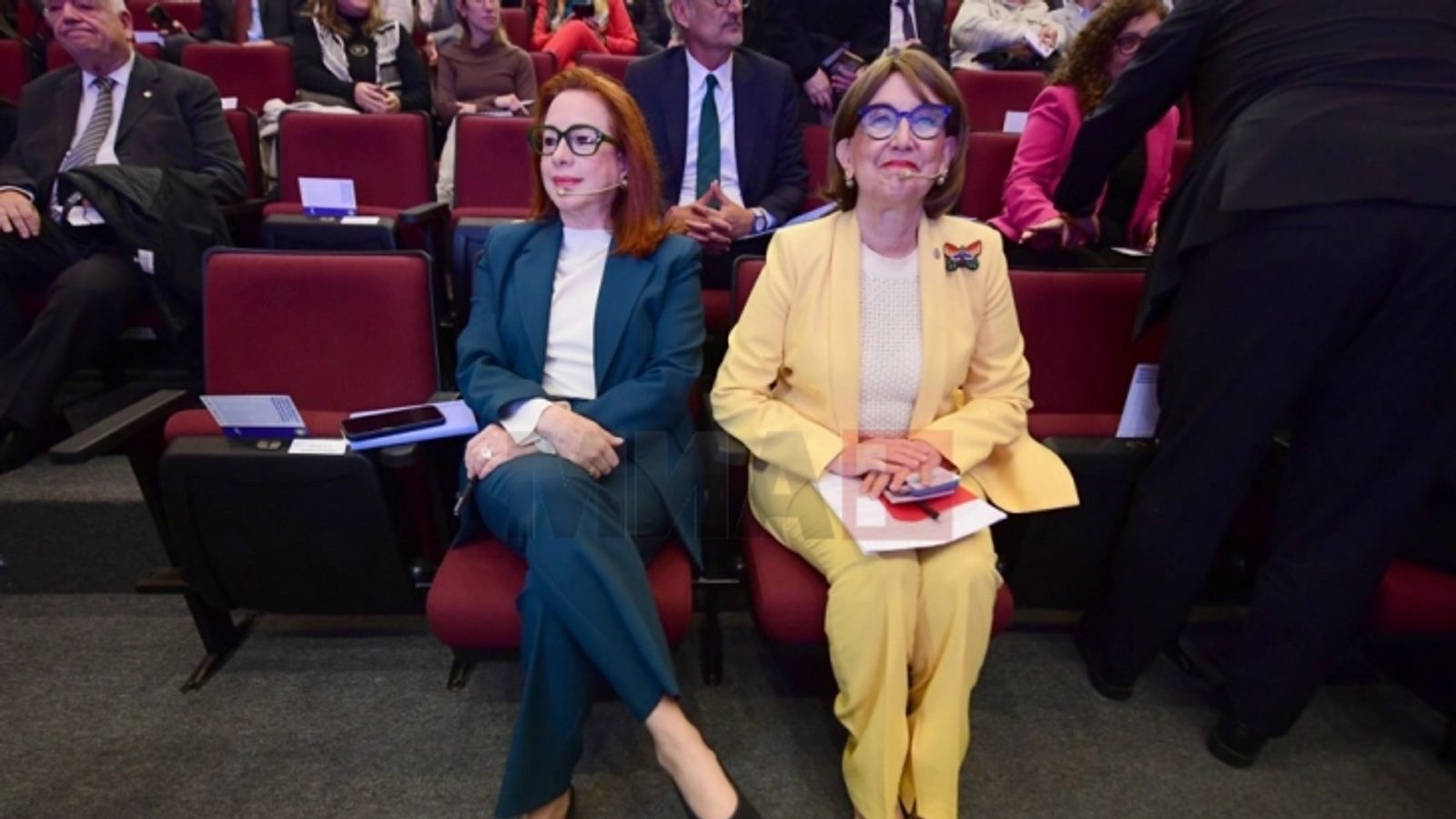
Three women vying to become the next UN Secretary‑General presented crime and security as central priorities at a public event in Montevideo, Uruguay, arguing that stronger international cooperation is needed to protect societies and rebuild trust in the Organization.
Campaigns focus on violence, organised crime and restoring confidence in the UN
Rebeca Grynspan, the Costa Rican candidate and former vice‑president, told the audience that the hemisphere’s peace is under threat from cross‑border criminal networks. "We are a region of peace, beset by violence from international and transnational crime, and we know that peace and security must also be a priority for the UN," she said.
Carolyn Rodrigues‑Birkett, a former foreign minister of Guyana, said she would prioritise peace and security while also advancing development and human rights if selected for the post.
Maria Fernanda Espinosa, who previously served as Ecuador’s foreign minister, urged the United Nations to step up international cooperation against organised crime, saying it is a force "which is literally destroying societies."
Speakers at the Montevideo gathering also warned that the UN faces both a financial squeeze and an erosion of credibility. The text notes that the US president has sharply reduced American funding for some UN programmes and has increased public criticism of the organisation.
Last week’s first indicative vote in the UN Security Council placed 70‑year‑old Grynspan ahead of Rodrigues‑Birkett; Argentina’s Rafael Grossi, currently head of the International Atomic Energy Agency (IAEA) and also a candidate, finished third in that round.
Other contenders listed for the post currently held by António Guterres include Maria Fernanda Espinosa, Michelle Bachelet of Chile, Olara Otunnu of Uganda and Macky Sall of Senegal. António Guterres’ second term expires on 31 December.
Photo: press material from the event