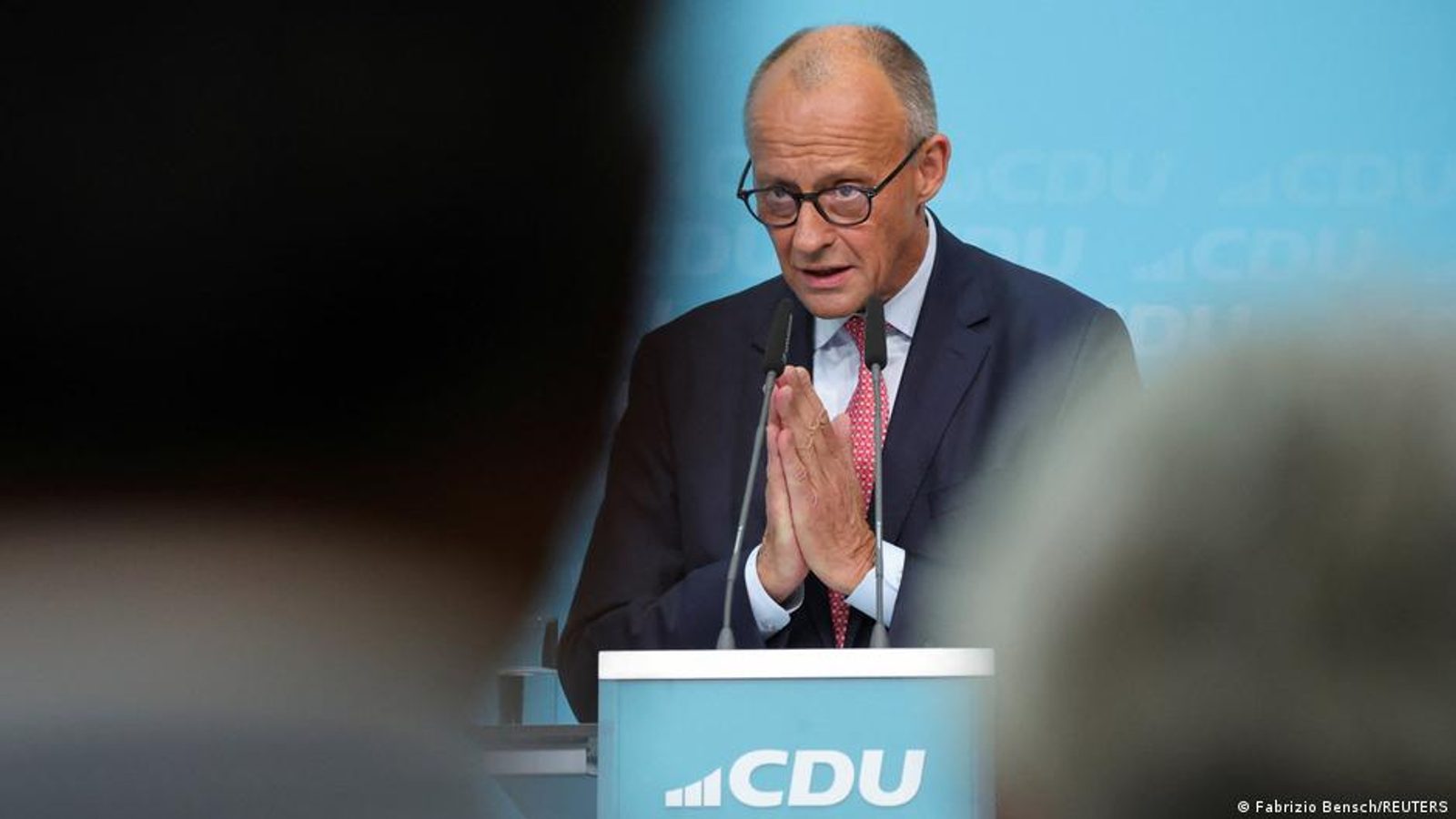
“Kanzlertausch” — could Friedrich Merz be replaced after the September regional votes?
Regional votes on Sept. 6 and Sept. 20 — amid a rising AfD and record-low satisfaction for Merz — could determine the CDU leader's fate.
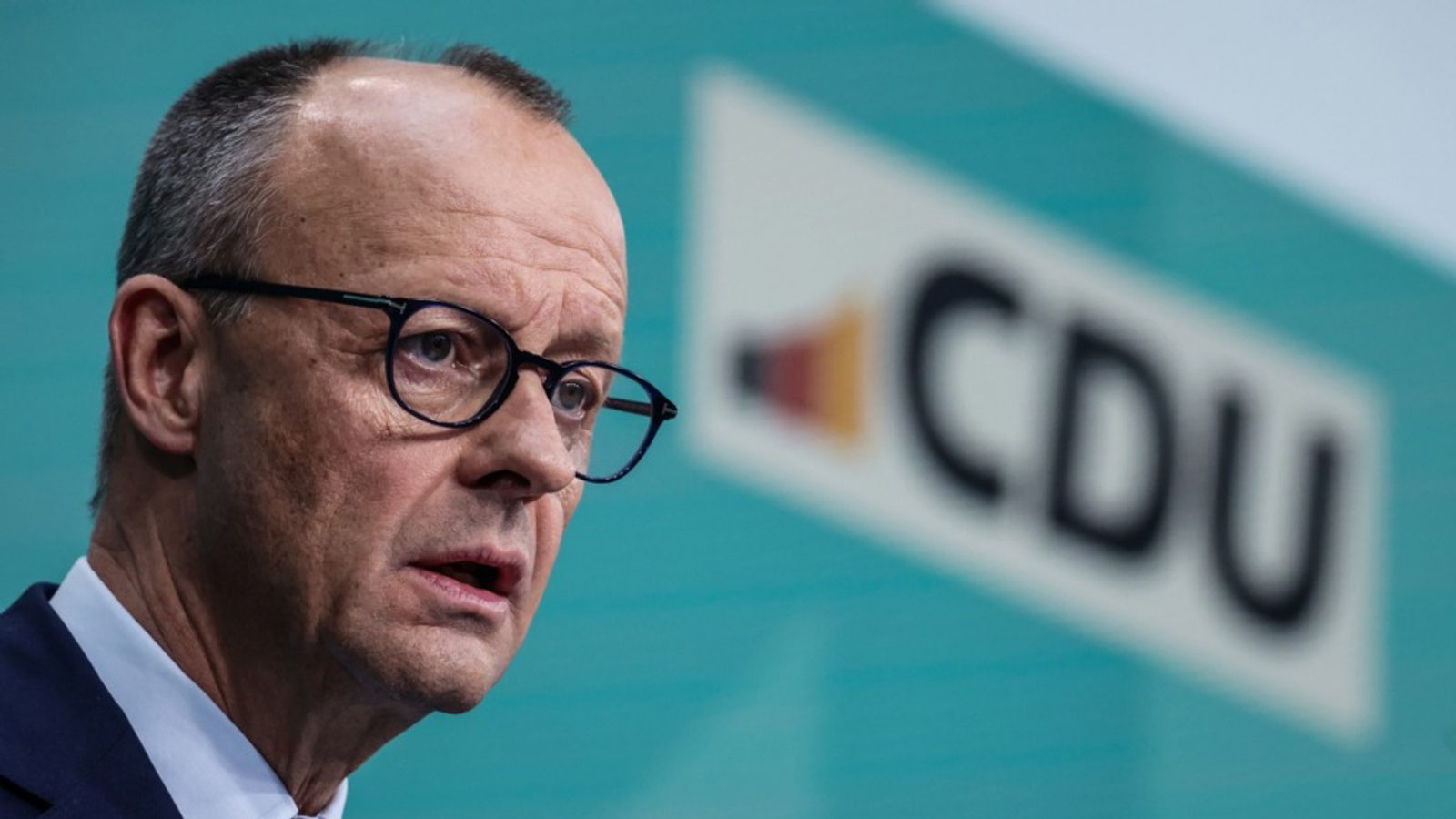
Friedrich Merz faces growing questions about his leadership as the CDU watches two key regional votes in September that could reshape the party's direction.
Within the governing Christian Democratic Union there are increasing signs that the chancellor's political survival may hinge on the outcome of the upcoming state elections. Party insiders say tensions that some hoped would calm after the summer break are instead hardening around the prospect of heavy losses in the east.
Polls show the right-wing Alternative for Germany (AfD) on the rise nationally — roughly 28 percent in recent surveys — and with a credible chance of winning an absolute majority in Saxony-Anhalt on September 6. The AfD is also competitive in Mecklenburg-Western Pomerania and in Berlin, where votes are due on September 20.
Pressure, potential successors and rare precedent
Behind closed doors a number of CDU officials are said to believe the party will have to consider a new leader if it suffers a major defeat. The premier of North Rhine-Westphalia, Hendrik Wüst, is frequently mentioned as the most serious potential successor.
If party chiefs were to move to replace an incumbent chancellor from the same political bloc, it would be an extraordinary step in postwar German politics: comparable internal handovers have occurred only three times — in 1963 when Konrad Adenauer handed over to Ludwig Erhard, in 1966 after Erhard's coalition collapsed, and in 1974 when Willy Brandt resigned amid a major spy scandal. Political scientists warn that a forced change now could destabilize the broader German political landscape and even trigger early federal elections.
For now Merz retains backing from influential figures within the conservative alliance. Markus Söder has publicly defended him, saying, "A change of chancellor would throw the conservatives into complete chaos. It could even lead to new elections, and anyone who now wants new elections is actually helping the radicals to come to power," said Markus Söder.
Despite that support, Merz's personal ratings remain weak: the latest ARD-DeutschlandTrend shows only 13 percent of Germans satisfied with his performance — the lowest score for a serving chancellor in nearly three decades of the poll. Critics point to underwhelming economic momentum and skepticism about planned pension and health reforms, which many fear would be an additional financial burden on households. The outcome of the September contests will therefore be watched not only for regional power shifts but as a barometer of Merz's national mandate.
Photo: EPA-EFE/HANNIBAL HANSCHKE