Kim Jong Un tightens ties with Russia and China as North Korea chips away at isolation
Pyongyang's support to Moscow, visits from Beijing and warmer signals from Washington have strengthened Kim Jong Un's international standing.
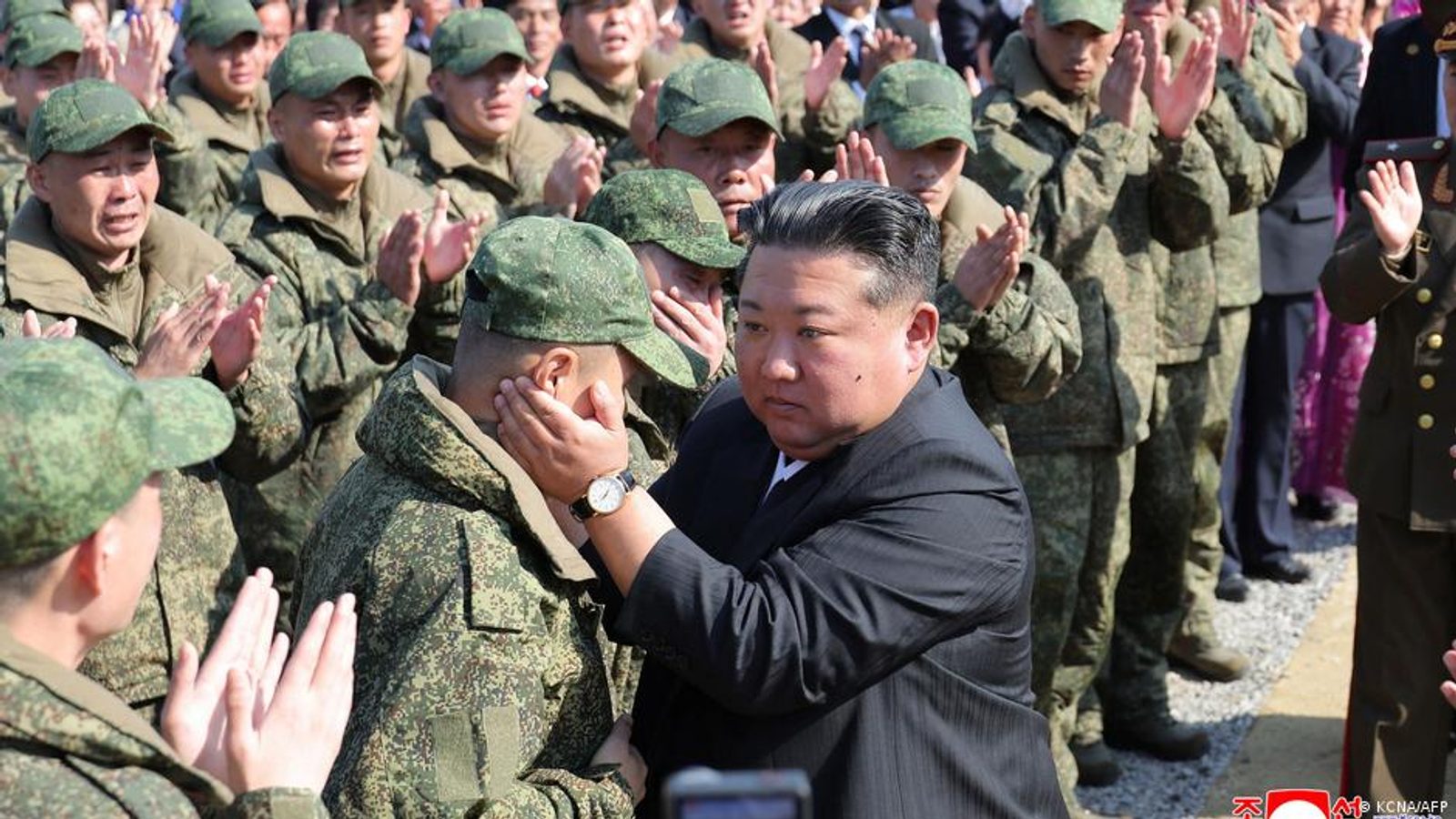
North Korea is using its growing ties with Moscow and Beijing to reduce decades of isolation, and the strategic position of leader Kim Jong Un appears stronger than at any time in recent years. Reports from Ukrainian intelligence that Moscow could receive as many as 50,000 additional North Korean personnel — on top of the roughly 15,000 troops Pyongyang sent to Russia in 2024 — have fuelled concern about an expanded role for Pyongyang in the conflict.
Military, economic and technological payoffs
The Korea office of the Friedrich Naumann Foundation, close to Germany's FDP, estimated last year that North Korean supplies to Russia — including weapons, ammunition and manpower — totalled about $9.8 billion. Researchers identified only about $1.2 billion in direct Russian returns, a gap that analysts say Moscow has been filling with less visible transfers.
"The compensation had to be delivered in other ways, for example through transfers of technology, military technology, satellite and space technology," said Frederik Shpor, director of the foundation's Korea office. Other analysts point to exchanges in long-range missile know‑how, drone development and even assistance on submarine projects as strategic returns for Pyongyang.
Participation alongside Russian forces is also giving North Korean units practical exposure to modern battlefield techniques. "North Korea today is in a strategic position more favorable than at any time in recent decades," said Eric Balbach of the Berlin-based Stiftung Wissenschaft und Politik. He and others note that combat experience — in areas such as counter‑drone tactics — could reshape military thinking on the Korean Peninsula.
Diplomatically, the outreach has been visible: after a meeting with Vladimir Putin, Kim hosted a June 2026 visit by Chinese leader Xi Jinping, a signal that Beijing remains Pyongyang's key partner. At the same time, Washington has sent softer signals: U.S. President Donald Trump wrote on his online platform about "very good relations" with Kim and has publicly questioned joint military exercises with South Korea.
Yet despite Washington's rhetorical shift, observers say a return to substantive denuclearization talks looks unlikely. Previous negotiations collapsed in 2019, and Pyongyang now benefits from alternative patrons and an economic boost tied to Russia's demand — making it less dependent on U.S. incentives.
Photo: Tramp i Kim na demarkacionata linija vo Panmundjom vo 2019 go